

 Esperanto
 Shqiptare
 Euskara
 Zulu
Zulu
 Latinus
 Cymraeg
 தமிழ்
தமிழ்
 Slovak
 Slovak
 Afrikaans
Focus On Hot Spots

Contact Info
E-mail: txgs@taixifilter.com
Manager Xu: +86-15097925576
Manager Feng: +86-15803195413
Address: North side of Caiyuan Village, Gexianzhuang Town, Qinghe County, Xingtai City, Hebei Province (No. 250)
The Role of Automotive Air Conditioning Filters in Preventing Allergies
Release Time:
Mar 29,2024
**Introduction** When it comes to preventing allergies, many people focus on their homes and workplaces, but one often overlooked area is the car. Automotive air conditioning filters play a vital role in maintaining clean air inside your vehicle, especially for those who suffer from allergies. In this article, we will explore the importance of these filters and how they can help you breathe easier
When it comes to preventing allergies, many people focus on their homes and workplaces, but one often overlooked area is the car. Automotive air conditioning filters play a vital role in maintaining clean air inside your vehicle, especially for those who suffer from allergies. In this article, we will explore the importance of these filters and how they can help you breathe easier while on the road.
**What Are Automotive Air Conditioning Filters?**
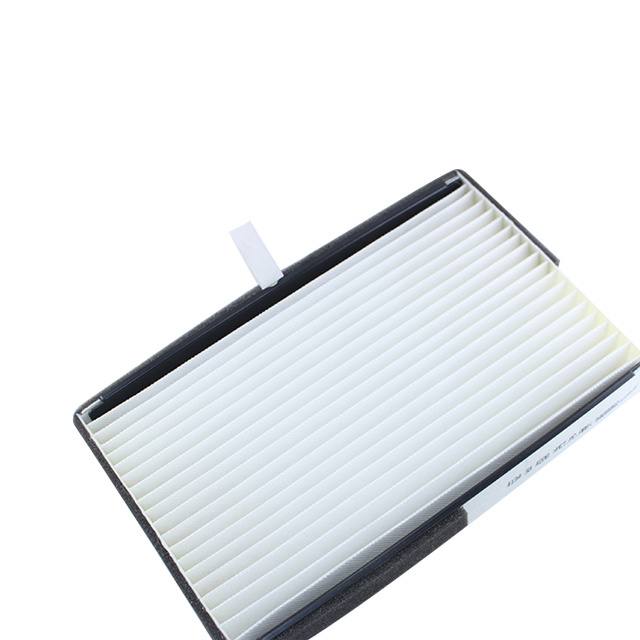
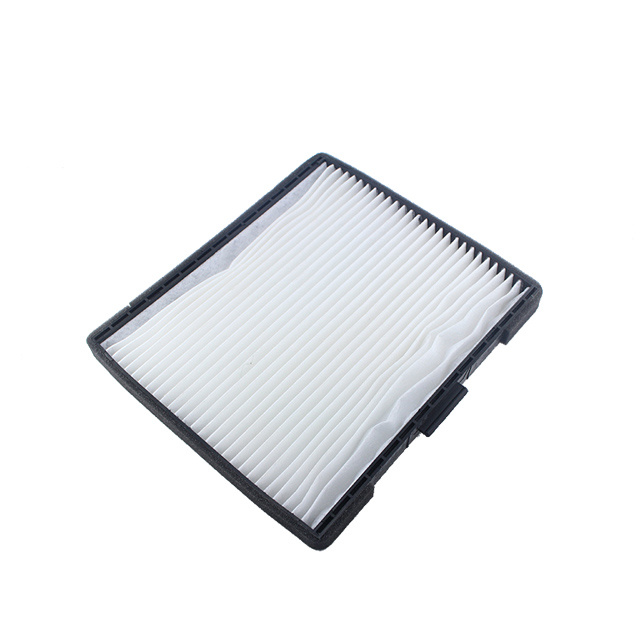
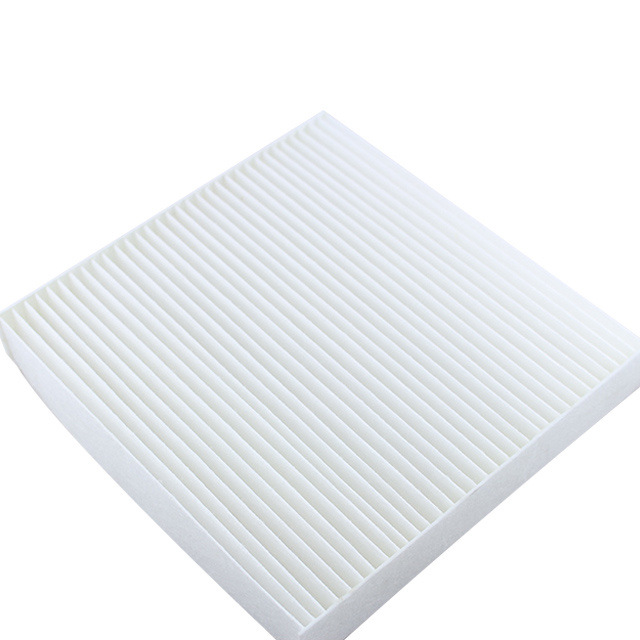
Automotive air conditioning filters are designed to remove pollutants, dust, pollen, and other allergens from the air that circulates inside your car. These filters are typically located in the ventilation system and work to trap particles before they can enter the cabin. By filtering out these irritants, air conditioning filters help to improve air quality and reduce the risk of allergic reactions while driving.
**How Do Automotive Air Conditioning Filters Work?**
Air filters in automotive air conditioning systems function similarly to those in home HVAC systems. As air enters the filter, particles such as dust, pollen, and bacteria are trapped by the filter media. The clean air is then circulated back into the cabin, providing a fresh and allergen-free environment for passengers. Regularly changing or cleaning these filters is essential to ensure optimal performance and air quality.
**The Benefits of Automotive Air Conditioning Filters for Allergy Sufferers**
For individuals with allergies, the presence of airborne allergens can trigger symptoms such as sneezing, coughing, and watery eyes. Automotive air conditioning filters help to reduce exposure to these allergens, providing a reprieve for allergy sufferers while on the road. By capturing pollen, dust, and other irritants, these filters create a healthier and more comfortable driving environment.
**Choosing the Right Automotive Air Conditioning Filter**
When selecting an automotive air conditioning filter, it is essential to consider the filter's efficiency rating, size, and compatibility with your vehicle's make and model. High-efficiency filters can capture smaller particles and offer superior filtration, while properly sized filters will ensure a snug fit in the ventilation system. Consult your vehicle's owner's manual or a professional technician to determine the best filter for your specific needs.
**FAQs**
1. How often should automotive air conditioning filters be replaced?
- It is recommended to replace air conditioning filters every 12,000 to 15,000 miles or as indicated by the manufacturer.
2. Can a dirty air filter impact the performance of my vehicle's air conditioning system?
- Yes, a clogged or dirty filter can restrict airflow and strain the air conditioning system, reducing its effectiveness.
3. Are there reusable automotive air conditioning filters available?
- Some manufacturers offer reusable filters that can be cleaned and reused, providing a cost-effective and eco-friendly option.
4. Do automotive air conditioning filters eliminate odors in the cabin?
- While filters can help reduce odors by capturing particles, additional measures such as using air fresheners may be necessary to address persistent smells.
5. How can I tell if my automotive air conditioning filter needs to be replaced?
- Signs of a worn-out filter include reduced airflow, musty odors, and an increase in allergen-related symptoms.
**Conclusion**
In conclusion, automotive air conditioning filters play a crucial role in preventing allergies and maintaining a healthy indoor environment in your vehicle. By capturing allergens and pollutants, these filters help to reduce exposure to irritants and improve air quality for passengers. Regular maintenance and proper filter selection are key to ensuring optimal performance and protection against allergens while on the road. Make sure to prioritize your health and comfort by investing in quality automotive air conditioning filters for your vehicle.
Key words:

* Please Enter Keywords
The company is mainly engaged in the manufacture and sale of auto parts and accessories in the automobile manufacturing industry, the manufacture and sale of automobile rubber products, and the import and export of auto parts.