

 Esperanto
 Shqiptare
 Euskara
 Zulu
Zulu
 Latinus
 Cymraeg
 தமிழ்
தமிழ்
 Slovak
 Slovak
 Afrikaans
Focus On Hot Spots

Contact Info
E-mail: txgs@taixifilter.com
Manager Xu: +86-15097925576
Manager Feng: +86-15803195413
Address: North side of Caiyuan Village, Gexianzhuang Town, Qinghe County, Xingtai City, Hebei Province (No. 250)
The Importance of Oil Filters in Preventing Equipment Failures and Downtime
Release Time:
Apr 02,2024
**Introduction: The Significance of Oil Filters** Oil filters are a crucial component in industrial equipment, ensuring the smooth operation of machinery by keeping the oil clean and free from contaminants. In this article, we will explore the vital role that oil filters play in preventing equipment failures and minimizing downtime in industrial settings. **The Function of Oil Filters** Oil filter
Oil filters are a crucial component in industrial equipment, ensuring the smooth operation of machinery by keeping the oil clean and free from contaminants. In this article, we will explore the vital role that oil filters play in preventing equipment failures and minimizing downtime in industrial settings.
**The Function of Oil Filters**
Oil filters are designed to remove impurities such as dirt, debris, and metal particles from the oil circulating through the equipment. By trapping these contaminants, oil filters prevent them from circulating through the system and causing damage to crucial components. This helps to maintain the efficiency and longevity of the equipment, reducing the risk of unexpected breakdowns and costly repairs.
**Types of Oil Filters**
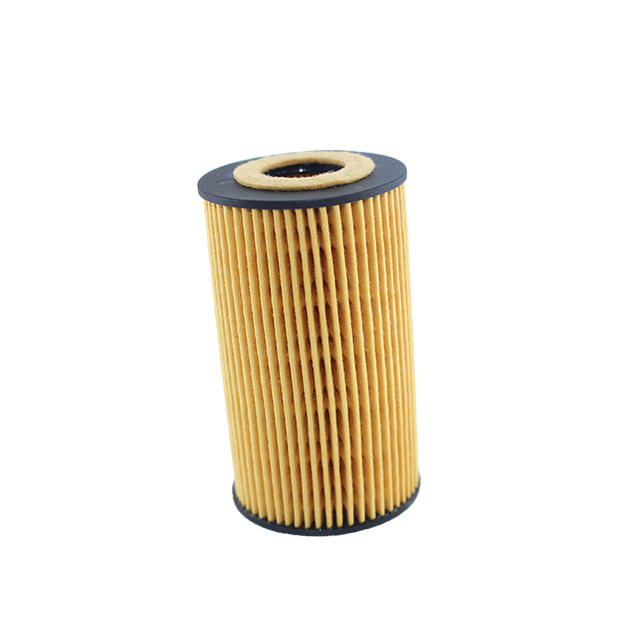
There are various types of oil filters used in industrial applications, including spin-on filters, cartridge filters, and magnetic filters. Each type has its own unique features and benefits, depending on the specific requirements of the equipment and the operating conditions. Choosing the right type of oil filter is essential to ensure optimal performance and protection for the machinery.
**The Impact of Contaminated Oil**
Contaminated oil can have a detrimental effect on industrial equipment, leading to increased wear and tear on components, reduced efficiency, and ultimately, equipment failures. By regularly changing and maintaining oil filters, operators can prevent the buildup of contaminants in the oil and ensure that the equipment continues to operate smoothly and efficiently.
**Benefits of Regular Oil Filter Maintenance**
Regular maintenance of oil filters is essential to ensure that they continue to effectively remove contaminants from the oil and protect the equipment from damage. By following a scheduled maintenance program, operators can extend the service life of their machinery, reduce the risk of unexpected failures, and minimize costly downtime due to equipment malfunctions.
**FAQs**
1. How often should oil filters be changed?
Regular oil filter changes are typically recommended every 3,000 to 5,000 miles, depending on the type of equipment and operating conditions.
2. What are the signs of a clogged oil filter?
Symptoms of a clogged oil filter include reduced oil pressure, engine overheating, and increased fuel consumption.
3. Can I clean and reuse an oil filter?
It is not recommended to clean and reuse oil filters, as they may not effectively remove contaminants after being used.
4. What are the consequences of neglecting oil filter maintenance?
Neglecting oil filter maintenance can lead to increased wear on engine components, reduced efficiency, and costly repairs.
5. How can I choose the right oil filter for my equipment?
Consulting with a knowledgeable supplier or manufacturer can help you select the right oil filter for your specific equipment and operating conditions.
**Conclusion**
In conclusion, oil filters play a crucial role in preventing equipment failures and minimizing downtime in industrial settings. By understanding the importance of oil filters and following a regular maintenance schedule, operators can protect their machinery, extend its service life, and ensure smooth and efficient operation. Investing in high-quality oil filters and proper maintenance practices is essential for maximizing equipment performance and minimizing costly repairs and downtime.
Key words:

* Please Enter Keywords
The company is mainly engaged in the manufacture and sale of auto parts and accessories in the automobile manufacturing industry, the manufacture and sale of automobile rubber products, and the import and export of auto parts.