

 Esperanto
 Shqiptare
 Euskara
 Zulu
Zulu
 Latinus
 Cymraeg
 தமிழ்
தமிழ்
 Slovak
 Slovak
 Afrikaans
Focus On Hot Spots
Contact Info
E-mail: txgs@taixifilter.com
Manager Xu: +86-15097925576
Manager Feng: +86-15803195413
Address: North side of Caiyuan Village, Gexianzhuang Town, Qinghe County, Xingtai City, Hebei Province (No. 250)
Understanding the Importance of Split Air Conditioner Filters: A Comprehensive Guide
Release Time:
Dec 03,2024
Understanding the Importance of Split Air Conditioner Filters Table of Contents 1. Introduction to Split Air Conditioner Filters 2. Types of Split Air Conditioner Filters 2.1 Panel Filters 2.2 Electrostatic Filters 2.3 Carbon Filters 3. Benefits of Clean Split Air Conditioner Filters 4. Maintenance Tips for Air Conditioner Filters 5. C
Understanding the Importance of Split Air Conditioner Filters
Table of Contents
- 1. Introduction to Split Air Conditioner Filters
- 2. Types of Split Air Conditioner Filters
- 3. Benefits of Clean Split Air Conditioner Filters
- 4. Maintenance Tips for Air Conditioner Filters
- 5. Common Misconceptions About AC Filters
- 6. Signs That Your Filter Needs Cleaning
- 7. The Impact of Filters on Indoor Air Quality
- 8. Conclusion
- 9. Frequently Asked Questions
1. Introduction to Split Air Conditioner Filters
Split air conditioners are a popular choice for residential and commercial spaces, providing efficient cooling and heating solutions. One of the most critical components of these systems is the air conditioner filter. The filter's primary function is to trap dust, allergens, and other particulate matter from the air, ensuring that the indoor environment remains clean and comfortable. Understanding the importance of these filters can significantly enhance your air conditioning experience, leading to improved air quality, system efficiency, and energy savings.
2. Types of Split Air Conditioner Filters
Various types of filters are used in split air conditioners, each designed to tackle different air quality challenges. Selecting the right type of filter is crucial for optimal system performance.
2.1 Panel Filters
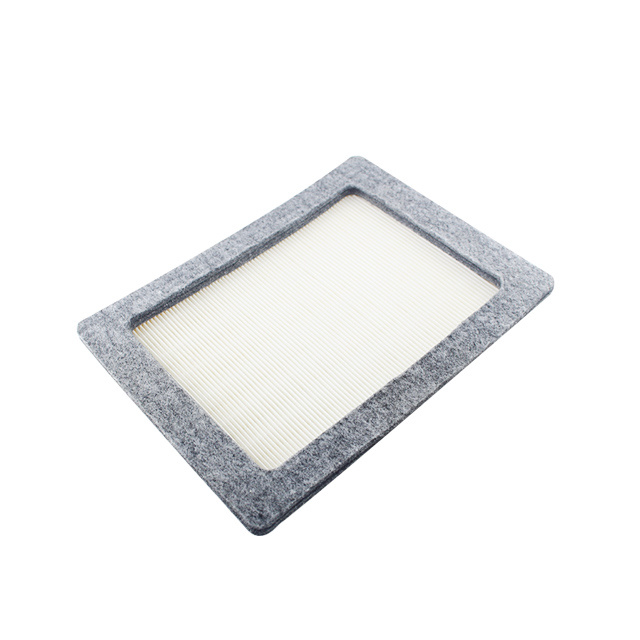
Panel filters are the most common type found in split air conditioners. These filters are made from a fibrous material that captures larger particles effectively. They are generally inexpensive and easy to replace, making them a popular choice for homeowners. However, they may need to be cleaned or replaced frequently, especially in dusty environments.
2.2 Electrostatic Filters
Electrostatic filters use an electrostatic charge to attract and trap particles in the air. These filters are effective at capturing smaller particles than traditional panel filters, including pet dander and pollen. They can be washable and reusable, providing an eco-friendly option for those looking to reduce waste.
2.3 Carbon Filters
Carbon filters are designed to eliminate odors from the air. They are often used in conjunction with other types of filters to provide comprehensive air filtration. Activated carbon absorbs volatile organic compounds (VOCs) and other harmful gases, making them an excellent choice for homes with cooking odors or strong scents.
3. Benefits of Clean Split Air Conditioner Filters
Maintaining clean filters is essential for the overall performance of your air conditioning system. Here are some key benefits:
- Improved Air Quality: Clean filters remove allergens, dust, and pollutants from the air, promoting a healthier indoor environment.
- Energy Efficiency: A clogged filter forces the air conditioner to work harder, consuming more energy. Clean filters help maintain optimal airflow, reducing energy costs.
- Extended Equipment Lifespan: Regular filter maintenance prevents strain on the unit, ultimately extending its lifespan and saving on costly repairs.
- Enhanced Comfort: Properly functioning filters ensure consistent cooling and heating, creating a more comfortable living space.
4. Maintenance Tips for Air Conditioner Filters
To ensure that your split air conditioner filters perform effectively, follow these maintenance tips:
- Regular Inspections: Check your filters every month for dust accumulation or damage. Frequent inspections can help identify issues early.
- Cleaning and Replacing: Depending on the type of filter, clean or replace it every 1 to 3 months. Washable filters should be cleaned as per the manufacturer's guidelines.
- Seasonal Maintenance: Schedule professional maintenance for your air conditioning system at the start of the cooling and heating seasons to ensure comprehensive care.
5. Common Misconceptions About AC Filters
There are several myths surrounding air conditioner filters that can lead to poor maintenance practices. Debunking these misconceptions is essential for optimal system performance:
- Myth 1: Filters only need to be changed once a year. In reality, frequency varies based on usage and environmental factors.
- Myth 2: All filters are the same. Different types of filters serve various purposes; understanding these differences is crucial.
- Myth 3: A dirty filter can be cleaned and reused indefinitely. While some filters are washable, they do have a lifespan and should be replaced when worn out.
6. Signs That Your Filter Needs Cleaning
Being aware of the signs that indicate a dirty filter can prevent performance issues and indoor air quality problems:
- Decreased Airflow: If you notice reduced air output from your vents, it may be time to check your filter.
- Increased Energy Bills: A sudden spike in your energy bill may indicate your air conditioner is working harder due to a clogged filter.
- Visible Dust Accumulation: Dust buildup on the filter itself is a strong indicator that it needs cleaning or replacement.
7. The Impact of Filters on Indoor Air Quality
Indoor air quality can significantly affect health and comfort. Here’s how split air conditioner filters contribute to a healthier environment:
- Reducing Allergens: Clean filters capture dust, pollen, and pet dander, reducing allergy symptoms and improving overall health.
- Minimizing Respiratory Issues: Filters play a critical role in preventing respiratory problems by eliminating harmful particles from the air.
- Odor Control: Using carbon filters helps neutralize unpleasant odors, creating a fresher living environment.
8. Conclusion
In conclusion, the importance of split air conditioner filters cannot be overstated. They play a vital role in maintaining air quality, enhancing system efficiency, and ensuring the longevity of your air conditioning unit. By understanding the different types of filters, their benefits, and proper maintenance practices, we can maximize the performance of our split air conditioners. Prioritizing clean filters not only contributes to a healthier indoor environment but also leads to significant energy savings and improved comfort.
9. Frequently Asked Questions
1. How often should I change my split air conditioner filter?
We recommend checking your filter every month and replacing or cleaning it every 1 to 3 months, depending on the type and usage.
2. Can I wash my air conditioner filter?
It depends on the filter type. Many electrostatic and some panel filters are washable, while others should be replaced.
3. What happens if I don’t clean my AC filter?
A dirty filter can lead to poor air quality, increased energy consumption, and potential damage to the air conditioning unit.
4. Are HEPA filters suitable for split air conditioners?
HEPA filters can be effective but require specific compatibility with your unit. Consult your manufacturer for recommendations.
5. Do I need a professional to change my AC filter?
While you can change standard filters yourself, hiring a professional is advisable for complex systems or if you're unsure about maintenance.
By recognizing the importance of split air conditioner filters and implementing proper maintenance, we can enhance our indoor environments significantly while ensuring our systems operate efficiently.
Key words:

* Please Enter Keywords
The company is mainly engaged in the manufacture and sale of auto parts and accessories in the automobile manufacturing industry, the manufacture and sale of automobile rubber products, and the import and export of auto parts.