

 Esperanto
 Shqiptare
 Euskara
 Zulu
Zulu
 Latinus
 Cymraeg
 தமிழ்
தமிழ்
 Slovak
 Slovak
 Afrikaans
Focus On Hot Spots

Contact Info
E-mail: txgs@taixifilter.com
Manager Xu: +86-15097925576
Manager Feng: +86-15803195413
Address: North side of Caiyuan Village, Gexianzhuang Town, Qinghe County, Xingtai City, Hebei Province (No. 250)
Why Your Vehicle’s Performance Depends on a Quality Air Conditioning Filter
Release Time:
Dec 15,2024
Why Your Vehicle’s Performance Depends on a Quality Air Conditioning Filter Introduction: The Role of Air Conditioning Filters in Vehicle Performance In the realm of automotive maintenance, **the air conditioning filter** is often an overlooked component. However, its importance cannot be overstated. This filter plays a vital role in ensuring your vehicle's air conditioning system operates effic
Why Your Vehicle’s Performance Depends on a Quality Air Conditioning Filter
Introduction: The Role of Air Conditioning Filters in Vehicle Performance
In the realm of automotive maintenance, **the air conditioning filter** is often an overlooked component. However, its importance cannot be overstated. This filter plays a vital role in ensuring your vehicle's air conditioning system operates efficiently, contributing to the overall performance of your vehicle. In this article, we will explore the essential functions of a quality air conditioning filter, how it impacts your vehicle’s performance, and the maintenance practices that can prolong its lifespan.
Understanding the Air Conditioning System in Vehicles
The Components of an Automotive Air Conditioning System
Before diving into the specifics of air conditioning filters, it’s essential to understand how the air conditioning system operates. The primary components include:
- **Compressor**: Compresses refrigerant and circulates it through the system.
- **Condenser**: Removes heat from the refrigerant, allowing it to cool and condense.
- **Evaporator**: Absorbs heat from the cabin air, providing cool air inside the vehicle.
- **Expansion Valve**: Regulates the flow of refrigerant into the evaporator.
Each of these components works in harmony to ensure that your vehicle maintains a comfortable temperature, regardless of external conditions.
The Vital Role of Air Conditioning Filters
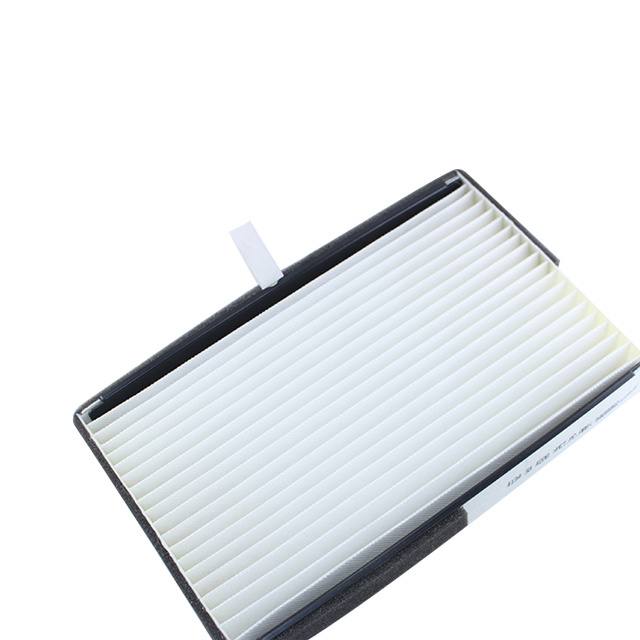
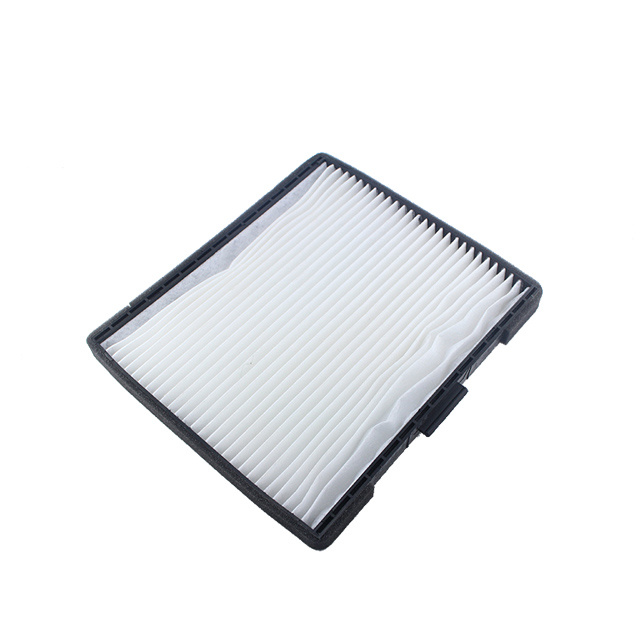
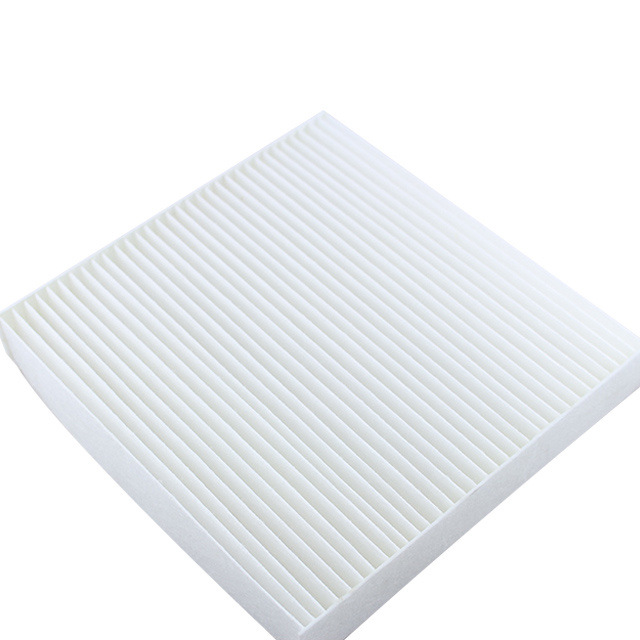
The air conditioning filter, also known as the cabin air filter, is designed to trap dust, pollen, and other airborne particles. By filtering the air entering your vehicle's cabin, it ensures that you and your passengers breathe clean air while driving. **A quality air conditioning filter** not only enhances comfort but also protects the vehicle’s interior components.
How Air Conditioning Filters Affect Vehicle Performance
1. Improved Airflow and Efficiency
A clogged or dirty air conditioning filter restricts airflow into the system. This restriction forces the compressor to work harder, leading to increased energy consumption and potential overheating. By maintaining a clean filter, you ensure that the air conditioning system operates efficiently, which directly translates to better performance and fuel efficiency.
2. Enhanced Air Quality Inside the Cabin
One of the primary functions of a quality air conditioning filter is to improve indoor air quality. By capturing allergens, dust, and pollutants, the filter creates a healthier environment for the driver and passengers. This aspect is particularly crucial for individuals with respiratory issues, ensuring that they can travel comfortably without exposure to harmful particles.
3. Prolonged Life of Vehicle Components
A clean air conditioning filter not only benefits the comfort and health of passengers but also protects the vehicle's internal systems. A dirty filter can lead to excess wear and tear on the blower motor and other components of the air conditioning system. Regularly replacing the filter can prevent costly repairs and extend the lifespan of your vehicle’s air conditioning system.
Signs Your Air Conditioning Filter Needs Replacement
1. Decreased Airflow
If you notice a significant drop in airflow from your vehicle’s air conditioning vents, it may be time to check the air conditioning filter. Reduced airflow is often a clear sign that the filter is clogged and needs replacement.
2. Unpleasant Odors
A musty or foul smell emanating from the air conditioning vents can indicate mold or mildew growth on a dirty filter. Regular filter changes help prevent such issues, ensuring that the air inside your vehicle remains fresh and clean.
3. Increased Noise from the Air Conditioning System
If your air conditioning system produces unusual sounds, such as whistling or rattling, it could suggest a blockage caused by debris in the filter. Addressing this promptly can reduce the risk of further damage to the system.
4. Frequent Allergies or Respiratory Issues
If you or your passengers are experiencing increased allergy symptoms or respiratory problems while in the vehicle, a clogged air conditioning filter may be to blame. Replacing the filter can help alleviate these issues by improving the quality of air circulating in the cabin.
How to Maintain Your Air Conditioning Filter
1. Regular Inspection
It’s advisable to inspect your air conditioning filter every few months, especially if you frequently drive in dusty environments or during allergy seasons. Checking the filter can help you determine when it needs to be changed.
2. Follow Manufacturer Recommendations
Each vehicle manufacturer provides guidelines regarding the recommended replacement interval for air conditioning filters. Adhering to these recommendations can help ensure optimal performance and longevity of both the filter and the overall air conditioning system.
3. Opt for Quality Filters
When replacing your air conditioning filter, always choose high-quality filters from reputable manufacturers. While cheaper filters might save you money in the short term, investing in a quality product can enhance performance and provide better filtration.
4. Clean the Filter (if applicable)
Some air conditioning filters are washable and reusable. For these types, cleaning the filter according to the manufacturer's instructions can extend its life and maintain airflow efficiency.
Choosing the Right Air Conditioning Filter for Your Vehicle
1. Understand Filter Types
There are various types of air conditioning filters available, including particle filters, activated carbon filters, and HEPA filters. Each type has its unique advantages, and the choice depends on the specific needs of your vehicle and environment.
2. Consider Your Driving Conditions
If you frequently drive on unpaved roads or in heavily polluted areas, opting for a more robust filter can provide better protection against dust and debris. Conversely, if you primarily drive in urban settings, a standard filter may suffice.
3. Seek Professional Advice
If you're unsure about which filter is best suited for your vehicle, consulting an automotive professional or referring to your owner's manual can provide valuable guidance.
FAQs About Air Conditioning Filters
1. How often should I replace my air conditioning filter?
The general recommendation is to replace the filter every 12,000 to 15,000 miles or at least once a year. However, this can vary based on driving conditions.
2. Can a dirty air conditioning filter affect fuel efficiency?
Yes, a clogged filter can reduce airflow, forcing the air conditioning system to work harder and thereby increasing fuel consumption.
3. What are the signs of a failing air conditioning system?
Common signs include reduced airflow, strange noises, unpleasant odors, and fluctuating temperatures while using the AC.
4. Is it necessary to use OEM filters?
While OEM filters are designed specifically for your vehicle, high-quality aftermarket filters can also be effective. Always choose reputable brands.
5. Can I clean my air conditioning filter instead of replacing it?
Some filters are washable, but many are not. Check the manufacturer's specifications to determine if your filter can be cleaned and reused.
Conclusion
A quality air conditioning filter is essential for maintaining your vehicle's performance and ensuring a comfortable driving experience. By understanding its role, recognizing signs of wear, and adhering to maintenance practices, you can significantly enhance your vehicle's efficiency and longevity. Investing in a high-quality filter and following proper maintenance routines not only improves air quality but also protects your vehicle's internal systems from unnecessary wear and tear. Prioritize your vehicle's air conditioning system, and enjoy a smoother, more enjoyable ride.
Key words:

* Please Enter Keywords
The company is mainly engaged in the manufacture and sale of auto parts and accessories in the automobile manufacturing industry, the manufacture and sale of automobile rubber products, and the import and export of auto parts.