

 Esperanto
 Shqiptare
 Euskara
 Zulu
Zulu
 Latinus
 Cymraeg
 தமிழ்
தமிழ்
 Slovak
 Slovak
 Afrikaans
Focus On Hot Spots

Contact Info
E-mail: txgs@taixifilter.com
Manager Xu: +86-15097925576
Manager Feng: +86-15803195413
Address: North side of Caiyuan Village, Gexianzhuang Town, Qinghe County, Xingtai City, Hebei Province (No. 250)
Essential Insights on Automotive Air Conditioning Filters: A Guide for Industries
Release Time:
Dec 16,2024
In the realm of automotive air conditioning systems, the air conditioning filter plays an essential role in ensuring optimal performance and comfort. These filters are designed to trap dust, pollen, and other contaminants that could compromise the system's efficiency and the air quality inside the vehicle. As part of the industrial equipment and components sector, understanding the significance of
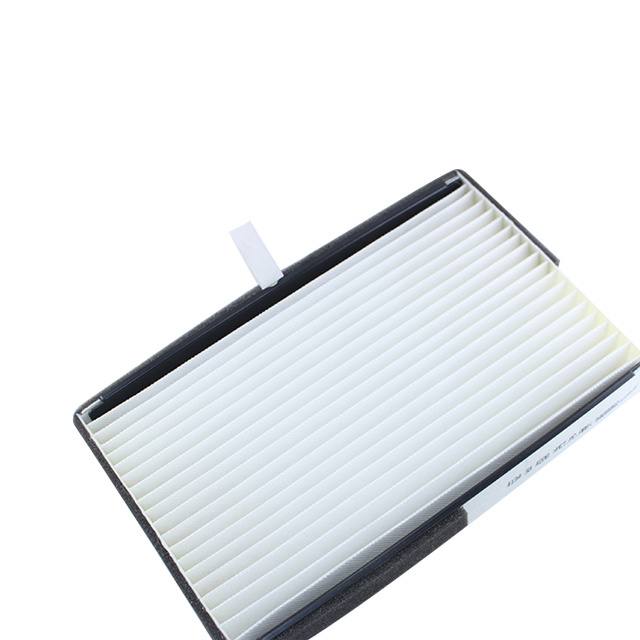
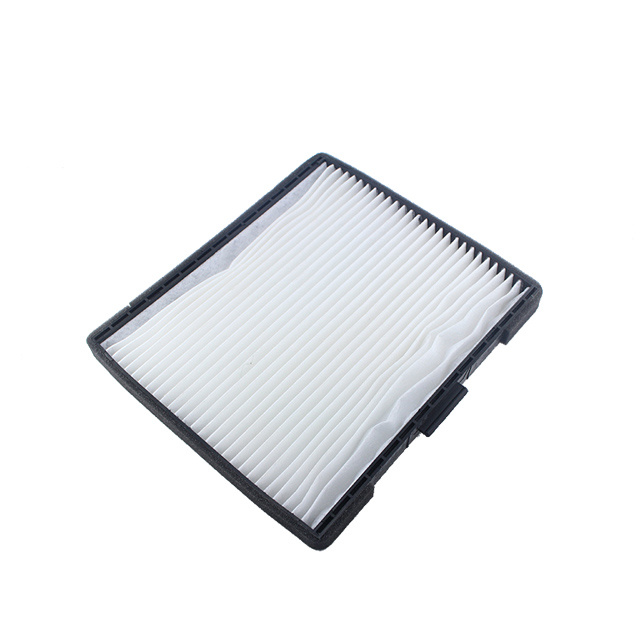
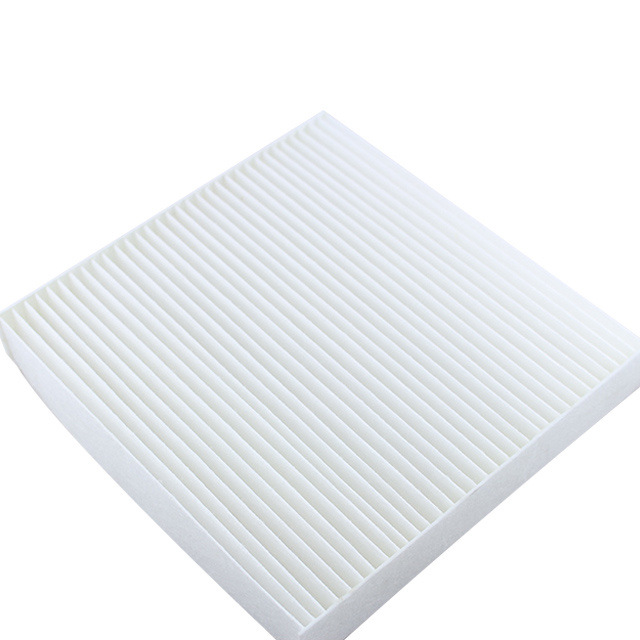
Automotive air conditioning filters work by capturing particulate matter as air circulates through the system. When the filter is clean and functioning properly, it allows for efficient airflow, thereby enhancing the cooling performance of the air conditioning unit. However, neglecting these filters can lead to a buildup of debris, resulting in restricted airflow and causing the system to work harder, which may lead to increased energy consumption and premature wear.
Regular maintenance of automotive air conditioning filters is crucial. It is advisable to check the filters at least once a month, particularly in dusty environments or during high usage seasons. Replacement schedules can vary, but a general guideline suggests changing the filter every 12,000 to 15,000 miles or at the beginning of the cooling season. Keeping an eye on filter condition not only helps maintain optimal performance but also contributes to a healthier environment inside the vehicle.
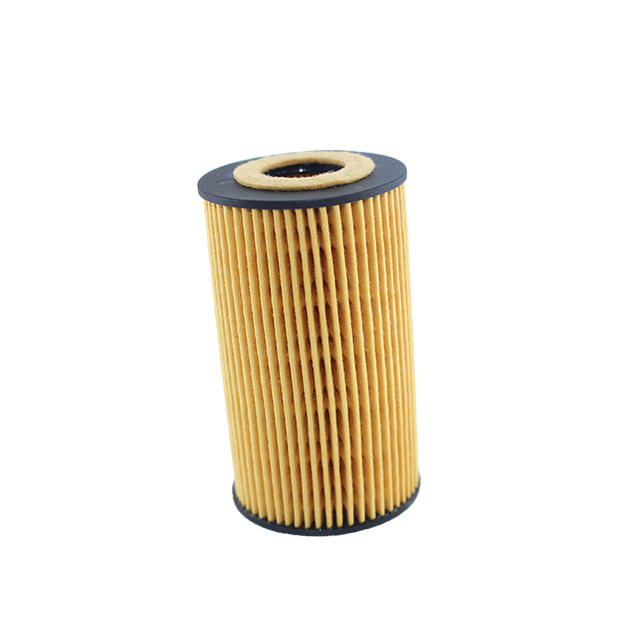
Another valuable aspect is the type of automotive air conditioning filter used. There are several types available, including particle filters, activated carbon filters, and electrostatic filters. Each type serves a specific function; for instance, activated carbon filters can help reduce odors from outside pollutants, making them particularly valuable for urban driving conditions. Choosing the right filter for your specific requirements can enhance the overall functionality of the air conditioning system.
Furthermore, businesses operating large fleets can benefit from a systematic approach to filter management. Implementing a scheduled maintenance program can help ensure that all vehicles are equipped with clean, effective filters, thus optimizing performance and minimizing downtime. Training staff on the importance of filter maintenance can also foster a proactive culture around vehicle upkeep.
In conclusion, automotive air conditioning filters are a critical component in maintaining the efficiency and effectiveness of air conditioning systems in vehicles. By understanding their role, implementing regular maintenance practices, and choosing the right type of filter, businesses can ensure their vehicles run smoothly and provide a comfortable environment for drivers and passengers alike.
Key words:

* Please Enter Keywords
The company is mainly engaged in the manufacture and sale of auto parts and accessories in the automobile manufacturing industry, the manufacture and sale of automobile rubber products, and the import and export of auto parts.