

 Esperanto
 Shqiptare
 Euskara
 Zulu
Zulu
 Latinus
 Cymraeg
 தமிழ்
தமிழ்
 Slovak
 Slovak
 Afrikaans
Focus On Hot Spots

Contact Info
E-mail: txgs@taixifilter.com
Manager Xu: +86-15097925576
Manager Feng: +86-15803195413
Address: North side of Caiyuan Village, Gexianzhuang Town, Qinghe County, Xingtai City, Hebei Province (No. 250)
Top Signs It’s Time to Replace Your Automotive Air Conditioning Filter
Release Time:
Dec 17,2024
Top Signs It’s Time to Replace Your Automotive Air Conditioning Filter Table of Contents 1. Introduction to Automotive Air Conditioning Filters 2. The Function of an Automotive Air Conditioning Filter 3. Top Signs Indicating It's Time for a Replacement 3.1. Reduced Airflow from the AC Vents 3.2. Unpleasant Odors in the Cabin 3.3. Frequent R
Top Signs It’s Time to Replace Your Automotive Air Conditioning Filter
Table of Contents
- 1. Introduction to Automotive Air Conditioning Filters
- 2. The Function of an Automotive Air Conditioning Filter
- 3. Top Signs Indicating It's Time for a Replacement
- 3.1. Reduced Airflow from the AC Vents
- 3.2. Unpleasant Odors in the Cabin
- 3.3. Frequent Repairs or Service Issues
- 3.4. Increased Energy Consumption
- 3.5. Increased Allergies or Respiratory Issues
- 4. How to Replace Your Automotive Air Conditioning Filter
- 5. Preventative Maintenance for Your AC System
- 6. Conclusion
- 7. FAQs about Automotive Air Conditioning Filters
1. Introduction to Automotive Air Conditioning Filters
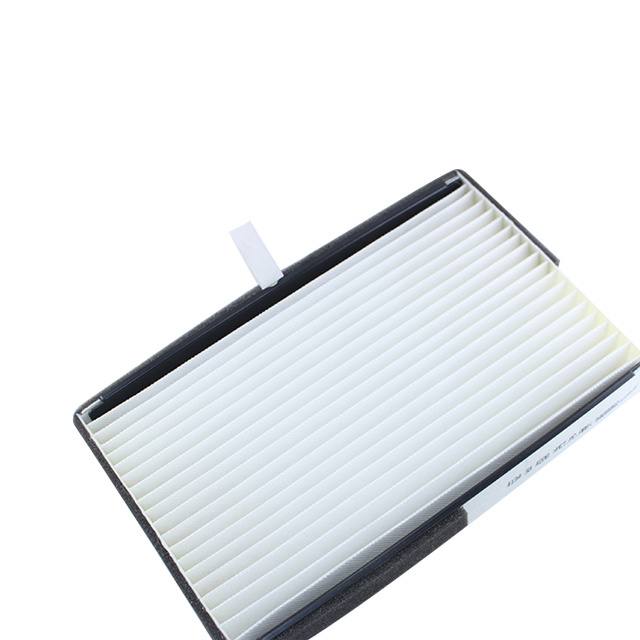
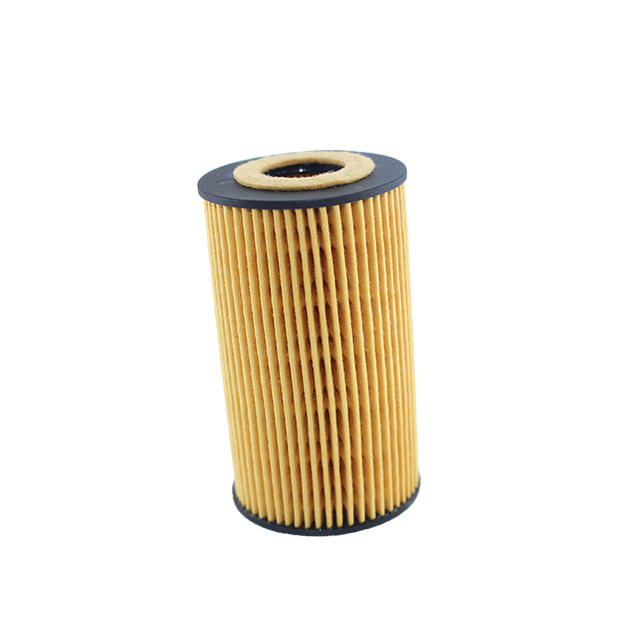
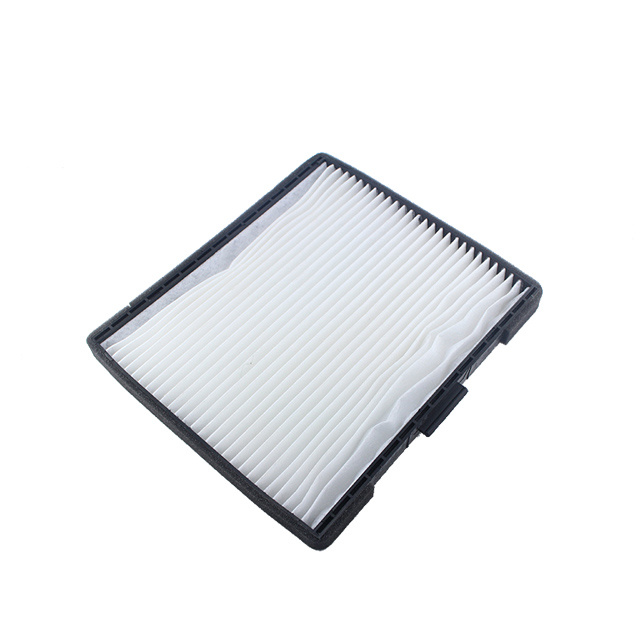
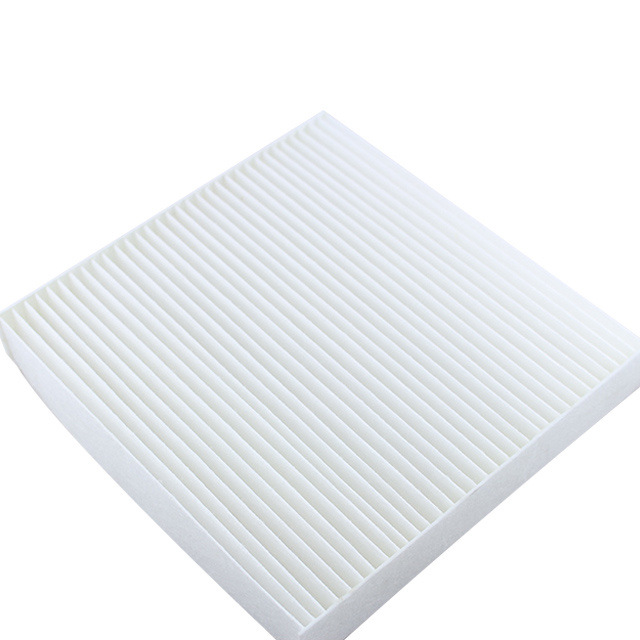
Automotive air conditioning filters play a **critical role** in maintaining a comfortable driving environment. They are designed to trap dust, dirt, debris, and other particles before they enter the vehicle's cabin. Recognizing the **signs** that indicate it’s time to replace your automotive air conditioning filter is essential for ensuring optimal air quality and effective climate control.
2. The Function of an Automotive Air Conditioning Filter
The primary function of an automotive air conditioning filter is to **cleanse the air** that circulates through your vehicle's HVAC (heating, ventilation, and air conditioning) system. This filter helps to eliminate allergens, spores, and pollutants, allowing you and your passengers to breathe cleaner air. A functioning filter also ensures that the air conditioning system operates efficiently and effectively, preventing excessive wear and tear.
3. Top Signs Indicating It's Time for a Replacement
It’s crucial to be aware of certain warning signs that may indicate your automotive air conditioning filter needs replacement. Let’s explore the key indicators:
3.1. Reduced Airflow from the AC Vents
One of the first signs that your air conditioning filter may be clogged is a **noticeable decrease in airflow** from the AC vents. When the filter becomes dirty, it restricts airflow, making your AC system work harder to cool the cabin. If you experience weak or inconsistent airflow, it’s time to check and potentially replace your filter.
3.2. Unpleasant Odors in the Cabin
If you start to notice **unpleasant or musty odors** emanating from your vehicle's vents, this could be a strong signal that your AC filter is overdue for a replacement. A clogged filter can harbor bacteria and mold, causing these foul smells to circulate throughout the cabin. Replacing the filter can eliminate these odors and improve your overall driving experience.
3.3. Frequent Repairs or Service Issues
Having to take your vehicle in for **frequent repairs or servicing** can be a clear indication that the air conditioning filter is impacting the overall performance of your HVAC system. A dirty filter can lead to complications, including malfunctioning components. By replacing the filter regularly, you can prevent these issues and extend the lifespan of your AC system.
3.4. Increased Energy Consumption
If you notice that your vehicle's **fuel consumption** has increased, it could be due to a clogged air conditioning filter. When the filter is dirty, the AC system has to work harder, which can lead to decreased fuel efficiency. Regular replacement of the filter can help your vehicle run more efficiently and save on fuel costs.
3.5. Increased Allergies or Respiratory Issues
If you or your passengers have been experiencing an **increase in allergies or respiratory issues**, this might be linked to a dirty air conditioning filter. A clogged filter cannot effectively trap allergens, dust, and other irritants, leading to poor air quality within the vehicle. Replacing the filter can help improve the air you breathe while driving, providing relief from allergy symptoms.
4. How to Replace Your Automotive Air Conditioning Filter
Replacing your automotive air conditioning filter is a straightforward task that can often be done without professional help. Here’s a step-by-step guide:
1. **Locate the Filter**: The air conditioning filter is typically located behind the glove compartment or under the dashboard. Consult your vehicle’s manual for specific instructions.
2. **Remove the Glove Compartment**: If necessary, remove the glove compartment to access the filter compartment. This usually involves detaching a few screws or tabs.
3. **Take Out the Old Filter**: Carefully remove the old filter from its housing. Be mindful of any debris that may fall during this process.
4. **Install the New Filter**: Insert the new filter, ensuring it is positioned in the correct direction (usually indicated by arrows on the filter).
5. **Reassemble the Compartment**: Replace the glove compartment or cover, securing it in place.
6. **Test the System**: Turn on your vehicle's AC system to ensure proper airflow and functionality.
5. Preventative Maintenance for Your AC System
Regular maintenance of your vehicle's air conditioning system can help prolong the life of your components and ensure optimal performance. Here are some tips to keep in mind:
- **Schedule Regular Inspections**: Have your AC system inspected regularly, especially before the summer months.
- **Replace Filters Periodically**: Aim to replace your air conditioning filter at least once a year or more frequently in areas with high pollen or pollution.
- **Keep Vents Clean**: Regularly clean the AC vents to remove any dust or debris that may accumulate over time.
- **Monitor Performance**: Pay attention to how your AC system is performing. If you notice any irregularities, address them promptly.
6. Conclusion
In conclusion, recognizing the signs that it’s time to replace your automotive air conditioning filter is essential for maintaining a comfortable and healthy driving environment. From reduced airflow and unpleasant odors to increased energy consumption and allergy symptoms, these indicators can significantly impact your vehicle’s performance. By staying vigilant and performing regular maintenance, you can ensure your AC system operates efficiently, providing you with cool, clean air for every drive.
7. FAQs about Automotive Air Conditioning Filters
Q1: How often should I replace my automotive air conditioning filter?
A1: It is recommended to replace your automotive air conditioning filter every 12,000 to 15,000 miles or at least once a year, depending on driving conditions.
Q2: Can a dirty air conditioning filter affect my vehicle's performance?
A2: Yes, a dirty filter can restrict airflow, leading to decreased performance, increased fuel consumption, and potential damage to the AC system.
Q3: Where can I find the air conditioning filter in my car?
A3: The location of the air conditioning filter varies by vehicle make and model. It is commonly found behind the glove compartment or under the dashboard. Check your owner's manual for specifics.
Q4: What are the symptoms of a clogged air conditioning filter?
A4: Symptoms of a clogged filter include reduced airflow, unpleasant odors, increased allergies, and a rise in energy consumption.
Q5: Can I clean my air conditioning filter instead of replacing it?
A5: Some filters can be cleaned and reused, but most traditional filters are meant for one-time use. Always check the manufacturer's recommendations.
By remaining proactive about your automotive air conditioning filter, you can enhance your driving comfort and vehicle longevity. Don't wait for the signs to become serious; take action to ensure you and your passengers enjoy a pleasant driving experience.
Key words:

* Please Enter Keywords
The company is mainly engaged in the manufacture and sale of auto parts and accessories in the automobile manufacturing industry, the manufacture and sale of automobile rubber products, and the import and export of auto parts.