

 Esperanto
 Shqiptare
 Euskara
 Zulu
Zulu
 Latinus
 Cymraeg
 தமிழ்
தமிழ்
 Slovak
 Slovak
 Afrikaans
Focus On Hot Spots
Contact Info
E-mail: txgs@taixifilter.com
Manager Xu: +86-15097925576
Manager Feng: +86-15803195413
Address: North side of Caiyuan Village, Gexianzhuang Town, Qinghe County, Xingtai City, Hebei Province (No. 250)
Understanding House Air Conditioner Filters: Essential Knowledge for Clean and Efficient Cooling
Release Time:
Dec 18,2024
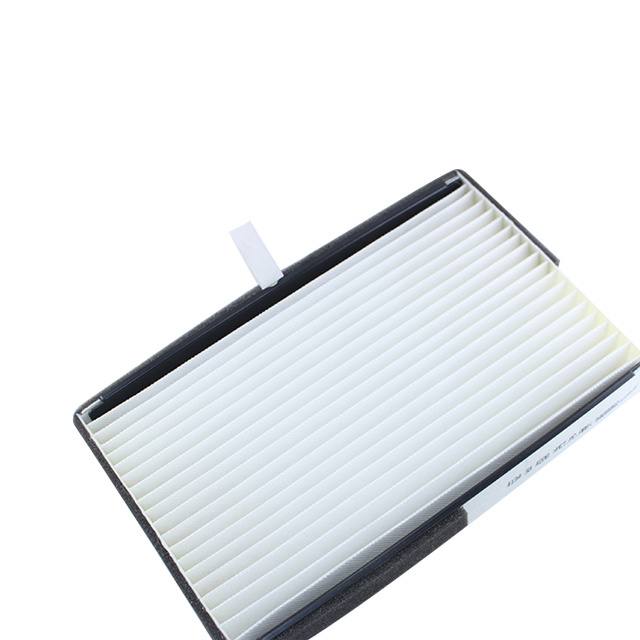
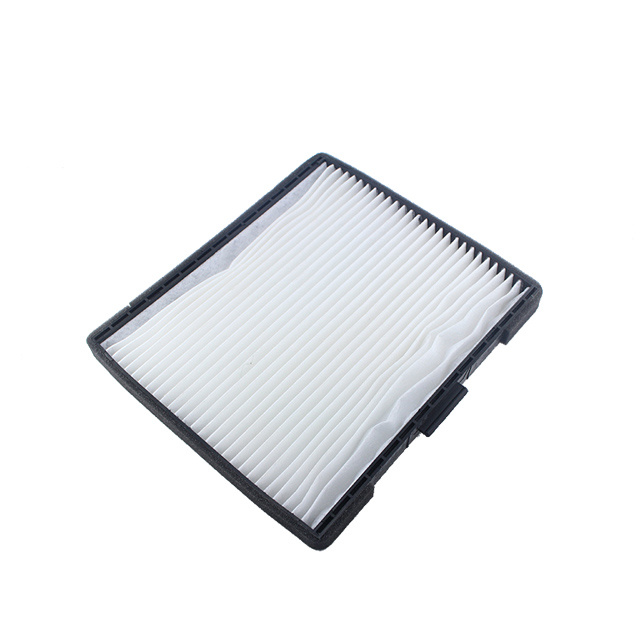
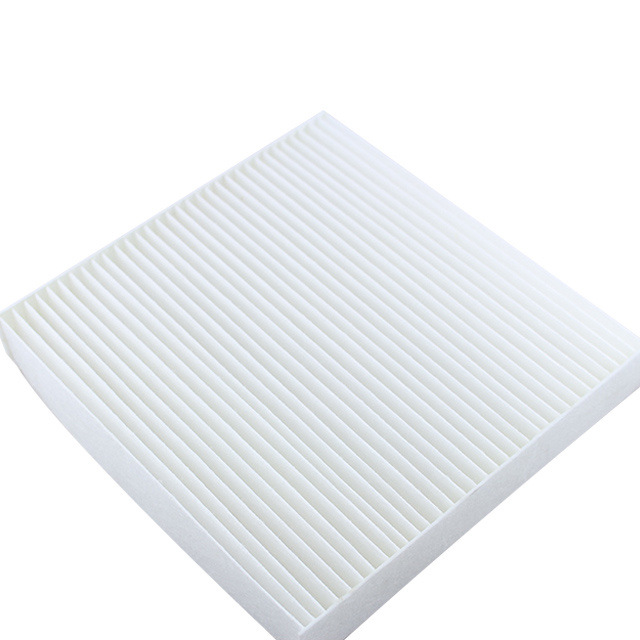
When it comes to climate control in your home, house air conditioner filters are an often-overlooked yet essential component. These filters not only help to ensure that the air you breathe indoors is clean, but they also play a significant role in the efficiency of your air conditioning system. Understanding how these filters work and their importance can help you make informed decisions about you
House air conditioner filters function by trapping dust, pollen, pet dander, and other airborne particles. As air passes through the filter, these contaminants are captured, preventing them from circulating in your living space. This is particularly important for individuals who suffer from allergies or respiratory issues, as cleaner air can significantly improve their quality of life. Additionally, these filters can help protect the internal components of your air conditioning unit, extending its lifespan and reducing the risk of costly repairs.
There are several types of filters commonly used in house air conditioning systems. The most basic type is the fiberglass filter, which is relatively inexpensive and effective at capturing larger particles. However, these filters may not be as effective at trapping smaller allergens. Pleated filters, on the other hand, have a larger surface area and can capture finer particles, making them a better choice for improving indoor air quality. More advanced options include HEPA filters, which are designed to capture up to 99.97% of particles that are 0.3 microns or larger, and electrostatic filters, which use static electricity to attract and trap particles.
Maintaining your house air conditioner filter is crucial for optimal performance. A clogged or dirty filter can restrict airflow, causing your air conditioning unit to work harder and use more energy. This not only leads to higher utility bills but can also increase wear and tear on the system, leading to premature breakdowns. It's recommended to check your filters monthly and replace or clean them as needed, typically every 1-3 months, depending on usage and environmental factors.
In conclusion, house air conditioner filters are vital for maintaining both indoor air quality and the efficiency of your cooling system. By understanding their function, types, and maintenance requirements, you can ensure that your environment remains comfortable and healthy. Taking the time to care for your filters is an investment in your home and your well-being, promoting cleaner air and a more efficient air conditioning system for years to come.
Key words:

* Please Enter Keywords
The company is mainly engaged in the manufacture and sale of auto parts and accessories in the automobile manufacturing industry, the manufacture and sale of automobile rubber products, and the import and export of auto parts.