

 Esperanto
 Shqiptare
 Euskara
 Zulu
Zulu
 Latinus
 Cymraeg
 தமிழ்
தமிழ்
 Slovak
 Slovak
 Afrikaans
Focus On Hot Spots
Contact Info
E-mail: txgs@taixifilter.com
Manager Xu: +86-15097925576
Manager Feng: +86-15803195413
Address: North side of Caiyuan Village, Gexianzhuang Town, Qinghe County, Xingtai City, Hebei Province (No. 250)
How to Choose the Right House Air Conditioner Filter for Optimal Performance
Release Time:
Dec 19,2024
How to Choose the Right House Air Conditioner Filter for Optimal Performance A Comprehensive Overview of Air Conditioner Filters Choosing the right air conditioner filter is crucial for maintaining optimal performance in your home. Filters play a significant role in enhancing indoor air quality, increasing energy efficiency, and prolonging the life of your air conditioning unit. With numerous opti
How to Choose the Right House Air Conditioner Filter for Optimal Performance
A Comprehensive Overview of Air Conditioner Filters
Choosing the right air conditioner filter is crucial for maintaining optimal performance in your home. Filters play a significant role in enhancing indoor air quality, increasing energy efficiency, and prolonging the life of your air conditioning unit. With numerous options available in the market, selecting the right one can feel overwhelming. This guide is designed to simplify your decision-making process.
Understanding Air Conditioner Filters: Types and Variations
Before diving into the selection process, it's essential to understand the various types of filters available. Each type has its advantages and specific applications.
1. Fiberglass Filters
Fiberglass filters are the most basic type and are typically the least expensive. They can capture large particles, like dust and lint, but are less effective at trapping smaller allergens. If you are looking for a budget-friendly option and don’t have severe allergy issues, these filters might be suitable.
2. Pleated Filters
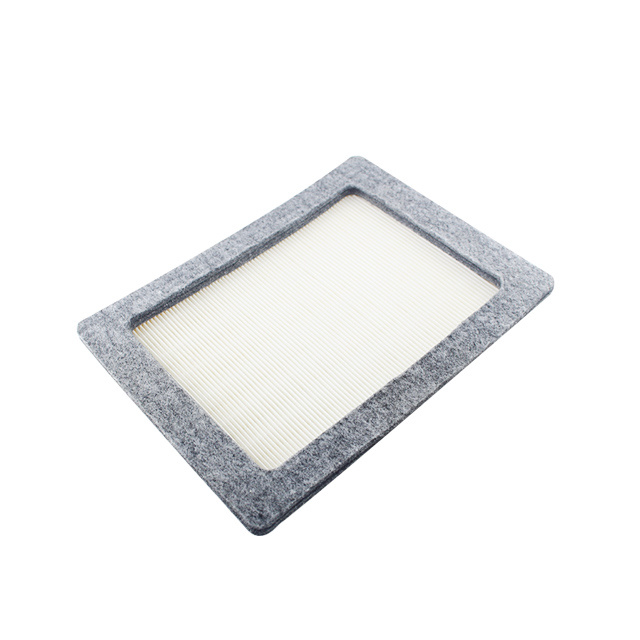
Pleated filters provide better filtration than fiberglass due to their increased surface area. They can capture smaller particles, including pollen and pet dander. These filters are moderately priced and offer a good balance between cost and performance.
3. HEPA Filters
High-Efficiency Particulate Air (HEPA) filters are among the most effective available. They can remove at least 99.97% of particles that are 0.3 microns in size, making them ideal for allergy sufferers. Though more expensive, their performance justifies the investment, especially in homes with pets or allergens.
4. Electrostatic Filters
Electrostatic filters use an electrical charge to attract particles, enhancing their filtration efficiency. They are washable and reusable, making them a sustainable option. However, they require regular maintenance to remain effective.
5. Activated Carbon Filters
Activated carbon filters excel in eliminating odors and volatile organic compounds (VOCs). They are often used in combination with other filters to enhance overall air quality. If your main concern is odor control, look for filters with activated carbon.
Key Factors to Consider When Choosing an Air Conditioner Filter
Selecting the right filter involves more than just choosing a type. Several factors will influence your decision.
1. MERV Rating
The Minimum Efficiency Reporting Value (MERV) indicates a filter's effectiveness at capturing airborne particles. Ratings range from 1 to 16, with higher numbers signifying better filtration. For residential use, a MERV rating between 8 and 12 is typically sufficient. However, if allergies are a concern, consider filters with a rating of 13 or higher.
2. Size Matters
Filters come in a variety of sizes. It's essential to measure your current filter or consult your air conditioning unit's manual to determine the correct size. A filter that is too small can allow unfiltered air to bypass it, while an oversized filter may not fit properly.
3. Filter Replacement Frequency
Understanding how often to replace your filter is crucial for maintaining air quality and unit performance. Most filters should be replaced every 1 to 3 months, depending on usage and environmental factors. Regular inspections will help you determine the ideal replacement schedule.
4. Allergies and Sensitivities
If you or any family members have allergies or asthma, investing in a higher-quality filter is essential. HEPA filters or those with high MERV ratings can significantly reduce allergen levels in your home.
5. Budget Constraints
While higher-quality filters often provide better performance, it’s important to find a balance that fits your budget. Consider long-term savings from enhanced energy efficiency when evaluating filter costs.
The Importance of Proper Installation and Maintenance
Even the best filter will perform poorly if not installed or maintained correctly. Follow these tips for optimal filter performance:
1. Ensure Correct Installation
Always install filters according to the manufacturer's instructions. Incorrect installation can lead to air leaks, reducing filtration efficiency.
2. Regularly Clean Your HVAC System
Keep your HVAC system clean and well-maintained to improve air circulation and filter efficiency. Schedule annual professional inspections to ensure everything is functioning correctly.
3. Monitor Air Quality
Use air quality monitors to track indoor air pollutants and filter performance. This information can help you adjust your filter choices and replacement schedules accordingly.
Environmental Considerations: Eco-Friendly Filter Options
As we strive for sustainability, eco-friendly air conditioner filters are gaining popularity. These options reduce waste and often require fewer resources to produce.
1. Washable Filters
Washable filters can be reused multiple times, reducing waste. They are typically made from synthetic materials that can trap dust and allergens effectively.
2. Biodegradable Filters
Some companies offer biodegradable filters made from natural materials. These filters break down more efficiently in landfills compared to traditional options, making them a sustainable choice.
3. Energy-Efficient Filters
Look for filters designed to enhance energy efficiency. These filters can help reduce your energy consumption, lowering your utility bills while improving air quality.
Common Mistakes to Avoid When Choosing Air Conditioner Filters
To ensure you make the best decision, be aware of these common pitfalls:
1. Ignoring MERV Ratings
Choosing a filter without considering its MERV rating can lead to inadequate filtration. Always check the rating to ensure it meets your needs.
2. Overlooking Size Specifications
Purchasing the wrong size filter will compromise performance. Always verify the dimensions before making a purchase.
3. Neglecting Regular Maintenance
Failing to replace filters regularly can lead to decreased efficiency and increased energy bills. Set reminders to check and replace filters as needed.
Frequently Asked Questions (FAQs)
1. How often should I replace my air conditioner filter?
Most filters should be replaced every 1 to 3 months. However, factors such as usage, pets, and allergens can affect this schedule.
2. Can I clean and reuse my air conditioner filter?
Some filters, like electrostatic or washable filters, can be cleaned and reused. Always refer to the manufacturer's instructions for proper cleaning methods.
3. Does a higher MERV rating mean better performance?
Generally, yes. Higher MERV ratings indicate better filtration capability. However, ensure your HVAC system can handle the increased airflow resistance that higher-rated filters create.
4. What’s the difference between HEPA and MERV filters?
HEPA filters meet specific standards for particle removal (99.97% at 0.3 microns), while MERV ratings indicate a filter's overall efficiency. HEPA filters generally have a higher filtration capability.
5. Are there any filters specifically designed for allergy sufferers?
Yes, HEPA filters and those with higher MERV ratings are specifically designed to capture allergens and improve air quality, making them ideal for allergy sufferers.
Conclusion
Choosing the right air conditioner filter is vital for maintaining a healthy and efficient home environment. By understanding the various types of filters, considering critical factors such as MERV ratings and size, and avoiding common mistakes, you can significantly enhance your indoor air quality. Investing time in selecting the right filter will pay off in the long run, resulting in cleaner air, improved energy efficiency, and a more comfortable living space for you and your family.
Key words:

* Please Enter Keywords
The company is mainly engaged in the manufacture and sale of auto parts and accessories in the automobile manufacturing industry, the manufacture and sale of automobile rubber products, and the import and export of auto parts.