

 Esperanto
 Shqiptare
 Euskara
 Zulu
Zulu
 Latinus
 Cymraeg
 தமிழ்
தமிழ்
 Slovak
 Slovak
 Afrikaans
Focus On Hot Spots
Contact Info
E-mail: txgs@taixifilter.com
Manager Xu: +86-15097925576
Manager Feng: +86-15803195413
Address: North side of Caiyuan Village, Gexianzhuang Town, Qinghe County, Xingtai City, Hebei Province (No. 250)
Understanding House Air Conditioner Filters: Essential Knowledge for Optimal Indoor Air Quality
Release Time:
Dec 20,2024
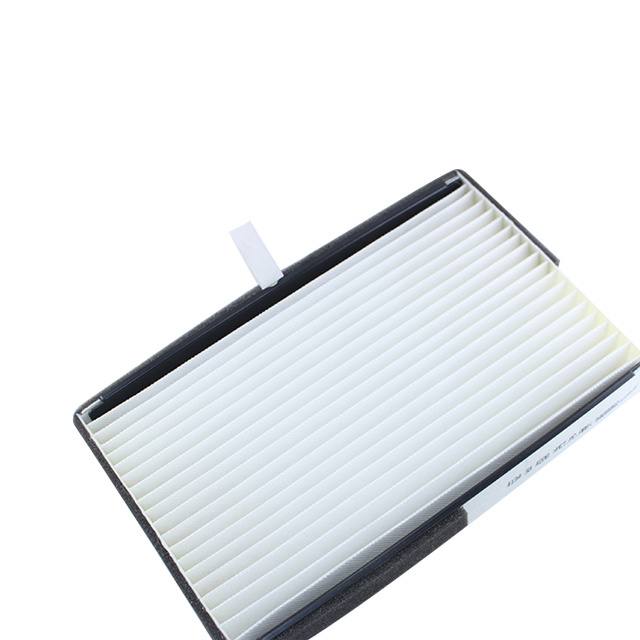
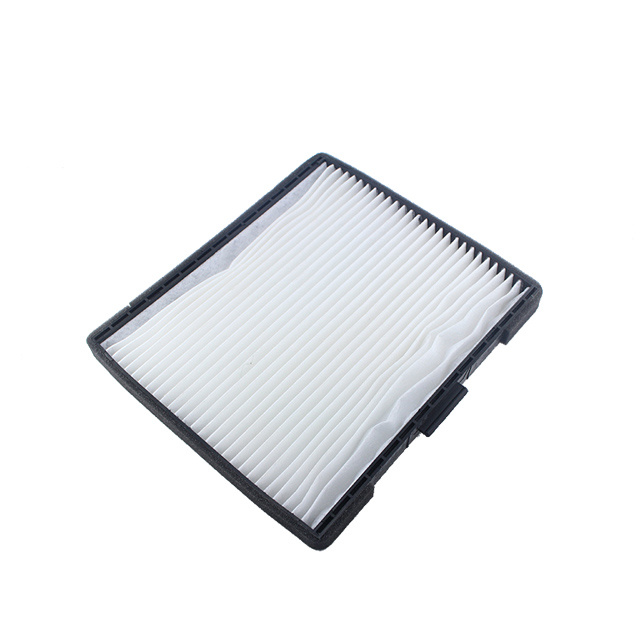
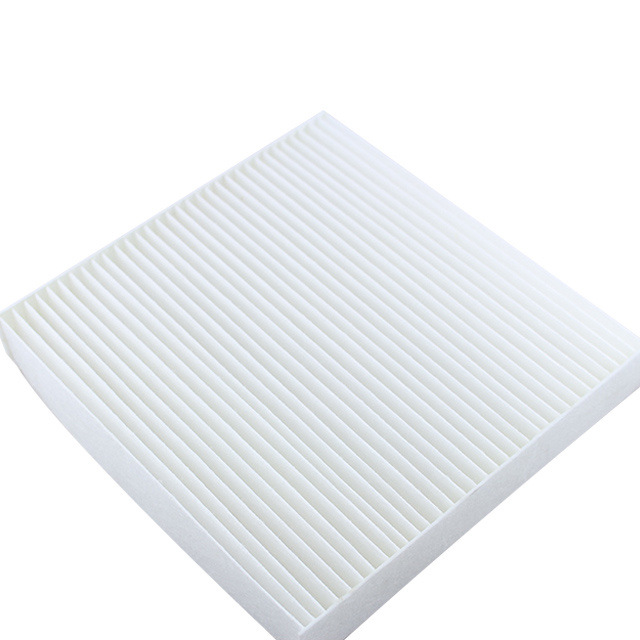
When it comes to house air conditioners, the filter is a vital component that often goes unnoticed, yet its importance cannot be overstated. House air conditioner filters play a critical role in ensuring that air circulated within a building is clean, efficient, and healthy. They are designed to capture dust, pollen, pet dander, and other airborne particles, thereby improving indoor air quality an
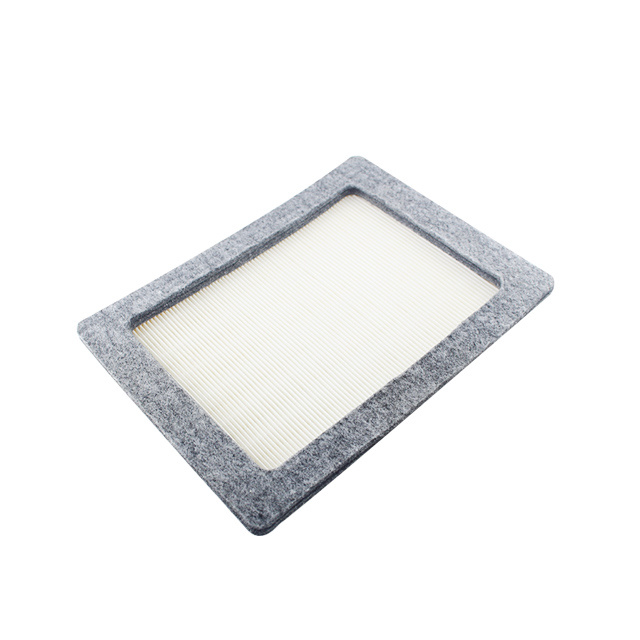
There are various types of filters used in house air conditioners, including fiberglass, pleated, and HEPA filters. Fiberglass filters are the most basic, typically designed for larger particles but may not capture smaller pollutants. Pleated filters, on the other hand, have a larger surface area due to their folds, allowing them to trap more particulates and improving air quality significantly. HEPA filters are designed to capture 99.97% of particles that are 0.3 microns or larger, making them an excellent choice for those with allergies or respiratory issues.
One of the most essential functions of house air conditioner filters is to protect the HVAC system itself. A clean filter helps to maintain optimal airflow, reducing the strain on the air conditioning unit and potentially extending its lifespan. When filters become clogged with dust and debris, they inhibit airflow, leading to increased energy consumption and a higher likelihood of system malfunctions.
To ensure that house air conditioner filters perform effectively, regular maintenance is crucial. Experts recommend checking and replacing filters every one to three months, depending on the type of filter and the level of air pollution in the environment. For those living in areas with high pollution or households with pets, more frequent changes may be necessary. This simple upkeep can significantly enhance the efficiency of the cooling system and contribute to a cleaner indoor atmosphere.
It's also worth noting that not all air conditioner filters are created equal. When selecting a filter, consider factors such as MERV rating (Minimum Efficiency Reporting Value), which indicates the filter's efficiency in capturing particles. A higher MERV rating generally means better filtration but may also restrict airflow if not matched correctly with the HVAC system.
In summary, house air conditioner filters are indispensable for maintaining air quality and system efficiency. Understanding their types, functions, and maintenance requirements is essential for professionals in the industrial equipment and filtration sectors. By prioritizing the upkeep of these filters, one can ensure a healthier living environment and prolong the lifespan of the air conditioning unit.
Key words:

* Please Enter Keywords
The company is mainly engaged in the manufacture and sale of auto parts and accessories in the automobile manufacturing industry, the manufacture and sale of automobile rubber products, and the import and export of auto parts.