

 Esperanto
 Shqiptare
 Euskara
 Zulu
Zulu
 Latinus
 Cymraeg
 தமிழ்
தமிழ்
 Slovak
 Slovak
 Afrikaans
Focus On Hot Spots

Contact Info
E-mail: txgs@taixifilter.com
Manager Xu: +86-15097925576
Manager Feng: +86-15803195413
Address: North side of Caiyuan Village, Gexianzhuang Town, Qinghe County, Xingtai City, Hebei Province (No. 250)
The Essential Role of Car Fuel Oil Filters in Automotive Performance
Release Time:
Dec 22,2024
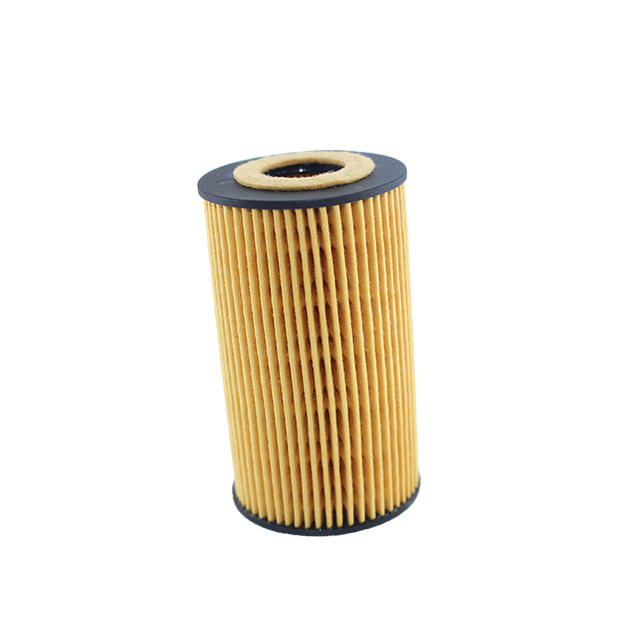
When it comes to ensuring optimal performance in your vehicle, one critical component that often goes overlooked is the car fuel oil filter. This essential device plays a vital role in the overall health and efficiency of your engine, as it is responsible for filtering out contaminants from the fuel before it reaches the engine. Understanding how fuel oil filters work and their importance can help
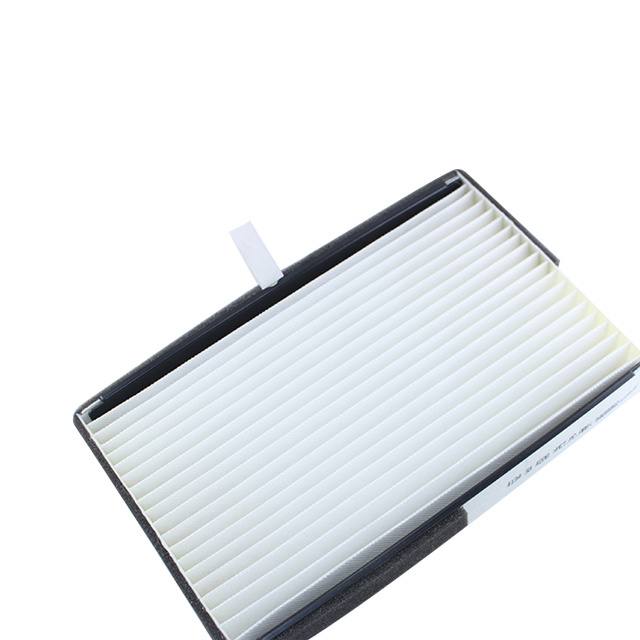
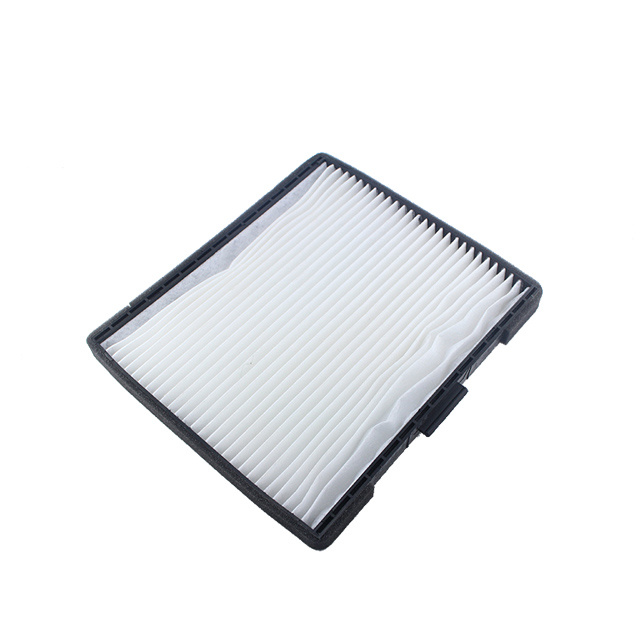
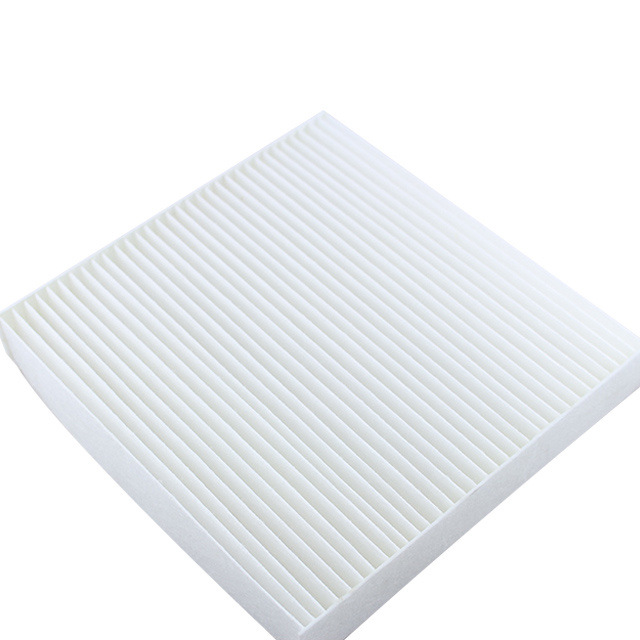
Car fuel oil filters act as a barrier, preventing dirt, rust, and other particles from entering the fuel system. These contaminants can originate from various sources, including the fuel itself, the fuel tank, or even the fuel lines. If these impurities are allowed to enter the engine, they can lead to severe damage, decreased performance, and increased wear on engine components. By trapping these harmful particles, fuel oil filters help maintain clean fuel flow, enhancing engine efficiency and performance.
One of the primary benefits of regularly changing your car’s fuel oil filter is improved fuel efficiency. A clogged or dirty filter can restrict fuel flow to the engine, causing it to work harder and consume more fuel, which can lead to decreased gas mileage. By ensuring your fuel oil filter is clean, you can achieve more efficient combustion, thereby saving money on fuel costs.
Additionally, a clean car fuel oil filter contributes to smoother engine operation. When fuel flows freely and is free from contaminants, the engine can perform optimally, resulting in better acceleration, reduced engine noise, and overall improved driving experience. Regular maintenance of the fuel oil filter can prevent potential issues, saving you from costly repairs in the future.
The frequency of fuel oil filter replacement can vary based on the vehicle type and driving conditions. Generally, it is advisable to consult your vehicle's owner manual for specific recommendations. However, a good rule of thumb is to inspect and potentially replace the filter every 10,000 to 15,000 miles, especially if you often drive under harsh conditions or use lower-quality fuel.
In conclusion, car fuel oil filters are a critical component of your vehicle's fuel system that should not be neglected. By understanding their function and importance, you can take proactive steps to maintain your vehicle and ensure its longevity. Regular inspections and timely replacements of fuel oil filters will help keep your engine running smoothly, improve fuel efficiency, and ultimately enhance your driving experience. Making these small but significant adjustments can lead to considerable benefits in the long run, ensuring that your vehicle remains in top condition for years to come.
Key words:

* Please Enter Keywords
The company is mainly engaged in the manufacture and sale of auto parts and accessories in the automobile manufacturing industry, the manufacture and sale of automobile rubber products, and the import and export of auto parts.