

 Esperanto
 Shqiptare
 Euskara
 Zulu
Zulu
 Latinus
 Cymraeg
 தமிழ்
தமிழ்
 Slovak
 Slovak
 Afrikaans
Focus On Hot Spots
Contact Info
E-mail: txgs@taixifilter.com
Manager Xu: +86-15097925576
Manager Feng: +86-15803195413
Address: North side of Caiyuan Village, Gexianzhuang Town, Qinghe County, Xingtai City, Hebei Province (No. 250)
Understanding the Role of Filters in Central Air Units: Essential Insights
Release Time:
Dec 30,2024
When it comes to maintaining a comfortable and healthy indoor environment, the role of filters in central air units cannot be overstated. These filters serve as the first line of defense against airborne pollutants, ensuring that the air circulating through your home or workplace is clean and safe. Understanding the functions and maintenance of these filters can help you appreciate their importanc
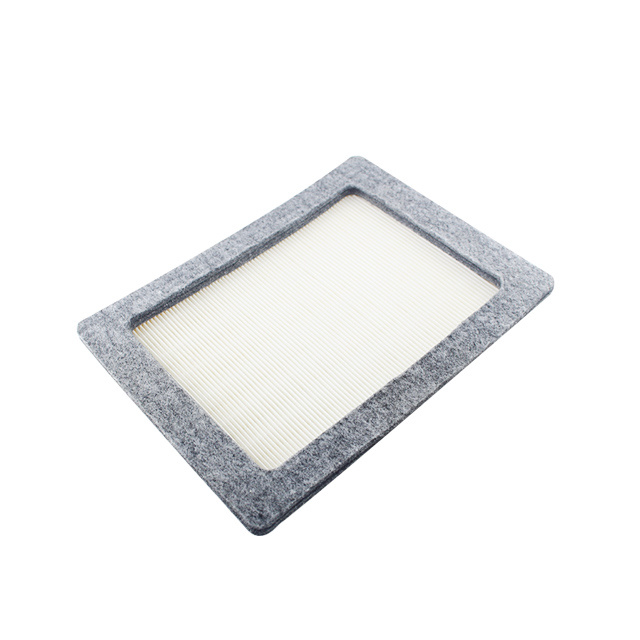
Central air units typically utilize several types of filters, including fiberglass, pleated, and HEPA filters. Each of these types has its own advantages and is designed to capture different sizes and types of particles. Fiberglass filters are commonly used due to their cost-effectiveness; however, they may not be as efficient at trapping smaller particles. Pleated filters offer a larger surface area, enhancing their capacity to capture dust, pollen, and pet dander, making them a popular choice for households with allergies. HEPA filters, on the other hand, are designed to capture at least 99.97% of particles that are 0.3 microns in size, making them ideal for environments that require the highest level of air purity.
When filters in central air units become clogged with dirt and debris, they can significantly hinder airflow, forcing the system to work harder to maintain the desired temperature. This not only leads to increased energy consumption but can also result in overheating and permanent damage to the unit. It is essential to regularly check and replace filters according to the manufacturer's recommendations, typically every one to three months, to ensure optimal performance.
In addition to enhancing air quality and system efficiency, clean filters can also improve the lifespan of your central air unit. A well-maintained system will not only run more efficiently but will also require fewer repairs and ultimately result in lower overall maintenance costs. Moreover, regular filter changes can help prevent the buildup of mold and bacteria within the system, contributing to healthier indoor air quality.
Understanding the significance of filters in central air units is crucial for any property owner. By selecting the right type of filter and adhering to a regular maintenance schedule, you can ensure that your HVAC system operates efficiently and effectively. This not only helps in maintaining a comfortable environment but also contributes positively to your health and well-being.
Key words:

* Please Enter Keywords
The company is mainly engaged in the manufacture and sale of auto parts and accessories in the automobile manufacturing industry, the manufacture and sale of automobile rubber products, and the import and export of auto parts.