

 Esperanto
 Shqiptare
 Euskara
 Zulu
Zulu
 Latinus
 Cymraeg
 தமிழ்
தமிழ்
 Slovak
 Slovak
 Afrikaans
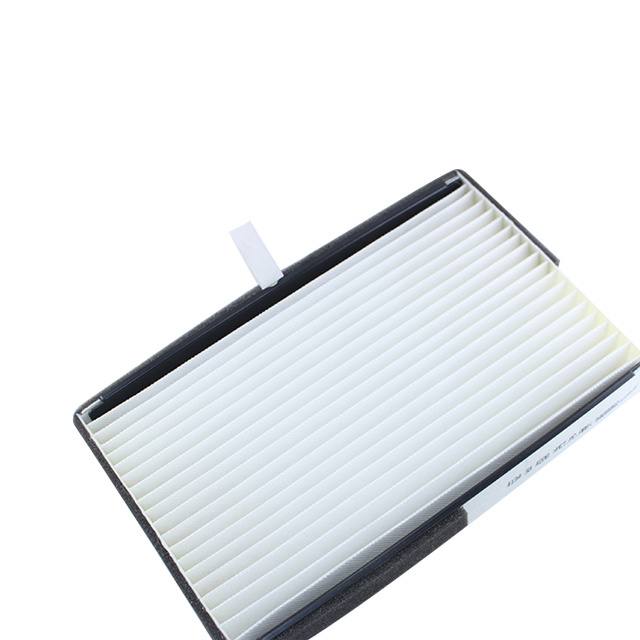
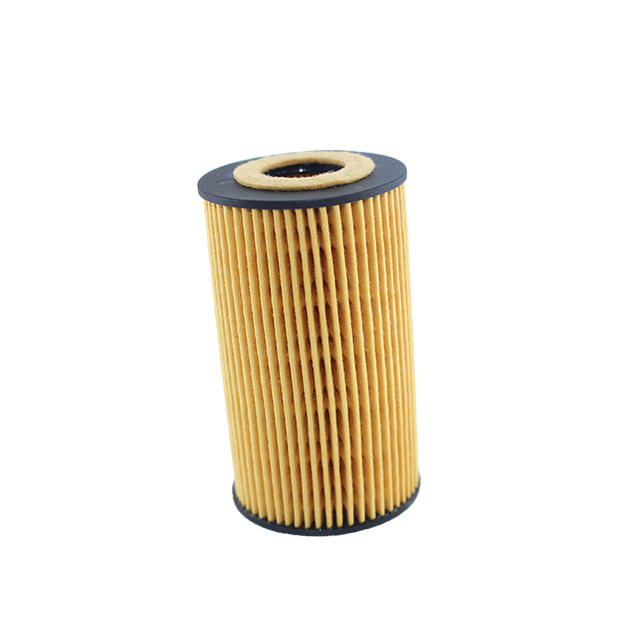
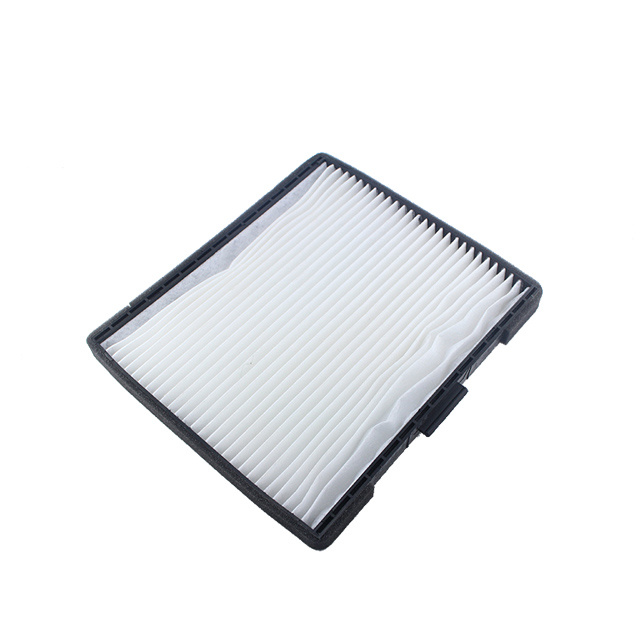
Focus On Hot Spots
Contact Info
E-mail: txgs@taixifilter.com
Manager Xu: +86-15097925576
Manager Feng: +86-15803195413
Address: North side of Caiyuan Village, Gexianzhuang Town, Qinghe County, Xingtai City, Hebei Province (No. 250)
Understanding the Importance of a Filter in Central Air Units: A Comprehensive Guide
Release Time:
Dec 31,2024
Understanding the Importance of a Filter in Central Air Units Table of Contents 1. Introduction to Central Air Units and Filters 2. The Role of Filters in Central Air Units 3. Types of Filters Used in Central Air Units 4. Essential Maintenance Tips for Air Filters 5. How Filters Impact Indoor Air Quality 6. Enhancing Energy Efficiency with Proper Filtration 7. Conseque
Understanding the Importance of a Filter in Central Air Units
Table of Contents
- 1. Introduction to Central Air Units and Filters
- 2. The Role of Filters in Central Air Units
- 3. Types of Filters Used in Central Air Units
- 4. Essential Maintenance Tips for Air Filters
- 5. How Filters Impact Indoor Air Quality
- 6. Enhancing Energy Efficiency with Proper Filtration
- 7. Consequences of Neglecting Filter Maintenance
- 8. Frequently Asked Questions (FAQs)
- 9. Conclusion
1. Introduction to Central Air Units and Filters
Central air units play an essential role in maintaining a comfortable indoor environment. They regulate temperature and humidity levels, ensuring a pleasant living or working space year-round. However, one of the most critical components of these systems is the **filter**. Filters capture dust, allergens, and other particulate matter, thereby improving air quality and enhancing the efficiency of the unit. Understanding the importance of a filter in central air units is not just beneficial for comfort; it is crucial for health and energy savings.
2. The Role of Filters in Central Air Units
Filters serve multiple functions in a central air system. Primarily, they:
- **Trap Particulates**: Filters catch dust, pollen, pet dander, and other pollutants, preventing them from circulating through your home.
- **Protect the System**: By filtering out debris, they safeguard the components of the air conditioning unit, reducing wear and tear.
- **Improve Efficiency**: Clean filters allow air to flow freely, ensuring the system operates optimally and efficiently.
- **Enhance Air Quality**: Better filtration leads to cleaner air, which is particularly important for individuals with allergies or respiratory conditions.
The effectiveness of a filter directly influences how well the central air unit performs, making it essential to select and maintain the right filter.
3. Types of Filters Used in Central Air Units
There are various types of filters available for central air units, each designed for specific needs and preferences. Understanding these options helps in choosing the best one for your system.
3.1 Fiberglass Filters
Fiberglass filters are the most basic and economical option. They effectively capture larger particles but may not filter out smaller allergens. They are ideal for basic dust control but might not be suitable for allergy sufferers.
3.2 Pleated Filters
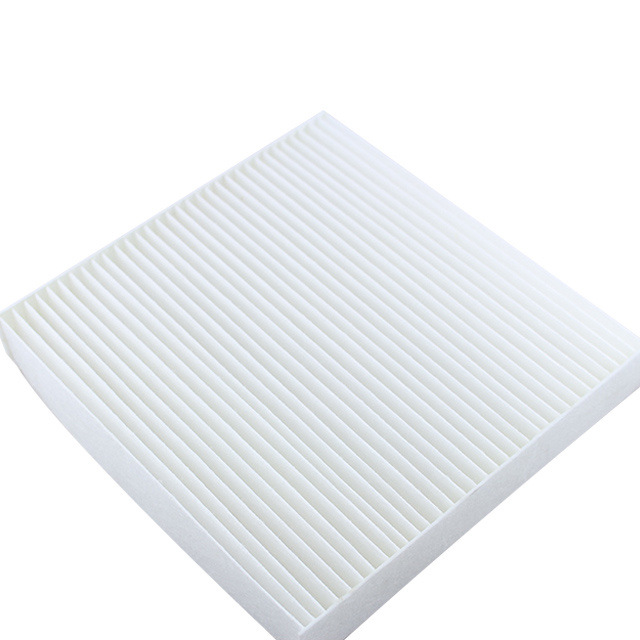
Pleated filters are more efficient than fiberglass filters. Their design increases surface area, allowing them to capture more dust and allergens. They come in various MERV (Minimum Efficiency Reporting Value) ratings, indicating their efficiency levels. A higher MERV rating means better filtration.
3.3 HEPA Filters
High-Efficiency Particulate Air (HEPA) filters are the gold standard for air filtration. They can trap 99.97% of particles that are 0.3 microns or larger. While they are excellent for air quality, they may require more frequent changes and can restrict airflow if not compatible with the system.
3.4 Electrostatic Filters
These filters use static electricity to attract and trap particles. They are washable and reusable, making them a sustainable option. Electrostatic filters can be highly efficient but may need regular cleaning to maintain effectiveness.
3.5 Activated Carbon Filters
Activated carbon filters are designed to remove odors and harmful gases from the air. They are often used in conjunction with other filters to enhance indoor air quality further.
4. Essential Maintenance Tips for Air Filters
To ensure optimal performance from your central air unit, regular maintenance of filters is critical. Here are some essential tips:
4.1 Regular Inspection
Check filters monthly, especially during heavy usage months, such as summer and winter. Look for dirt buildup or discoloration, which indicates that a change is needed.
4.2 Change Filters Periodically
Depending on the type of filter, they should be changed every 1-3 months. HEPA filters may last longer, while fiberglass filters may require more frequent changes.
4.3 Clean Electrostatic Filters
If using washable electrostatic filters, clean them according to the manufacturer’s instructions, usually every month or two, to maintain airflow and efficiency.
4.4 Ensure Proper Installation
Ensure that filters are installed correctly. Improper installation can lead to air bypassing the filter, reducing its effectiveness.
5. How Filters Impact Indoor Air Quality
The quality of indoor air significantly affects health and well-being. **Poor air quality** can lead to respiratory problems, allergies, and other health issues. Here’s how filters contribute to better air quality:
5.1 Reducing Allergens
By trapping allergens like pollen, dust mites, and mold spores, filters help create a healthier environment, especially for individuals with allergies or asthma.
5.2 Eliminating Odors
Filters, particularly those with activated carbon, can reduce odors from pets, cooking, and other sources, leading to a more pleasant indoor atmosphere.
5.3 Controlling Humidity
While filters do not directly manage humidity, they contribute to a well-functioning air system that can control humidity levels effectively. This control prevents mold growth and enhances comfort.
6. Enhancing Energy Efficiency with Proper Filtration
Energy efficiency is a crucial aspect of operating a central air unit. Filters play a significant role in this regard:
6.1 Improved Airflow
Clean filters promote better airflow, allowing the system to operate efficiently. When filters are clogged, the system has to work harder, leading to increased energy consumption.
6.2 Lower Energy Bills
By maintaining clean filters and ensuring proper airflow, homeowners can lower their energy bills. Efficient systems consume less energy, translating to cost savings.
6.3 Extended System Lifespan
Proper filtration reduces strain on the system, which can lead to a longer lifespan for the air conditioning unit. This longevity means fewer repairs and replacements, further enhancing cost-effectiveness.
7. Consequences of Neglecting Filter Maintenance
Neglecting filter maintenance can lead to numerous negative consequences, including:
7.1 Decreased Air Quality
Dirty filters allow pollutants to circulate, leading to poor air quality and potential health risks.
7.2 Increased Energy Costs
Clogged filters force the system to work harder, resulting in higher energy costs.
7.3 System Breakdown
Over time, neglected filters can lead to significant wear and tear on the air conditioning unit, potentially causing costly breakdowns and repairs.
8. Frequently Asked Questions (FAQs)
8.1 How often should I change my air filter?
It is generally recommended to change your air filter every 1-3 months, depending on the type of filter and usage frequency.
8.2 Can I clean and reuse my air filter?
Some filters, like electrostatic filters, are designed to be washable and reusable. Always follow the manufacturer’s instructions for cleaning.
8.3 What happens if I don’t use a filter in my central air unit?
Running a central air unit without a filter can lead to significant dust and debris buildup, potentially damaging the system and reducing indoor air quality.
8.4 How do I know if my filter needs to be changed?
Check for visible dirt buildup or discoloration on the filter. If airflow seems restricted or if there are noticeable odors, it may be time for a change.
8.5 Are high-MERV filters worth it?
High-MERV filters provide better filtration but may restrict airflow if not suited for your system. Always consult with a professional to determine the best filter for your needs.
9. Conclusion
In summary, understanding the importance of a filter in central air units is vital for maintaining indoor air quality, enhancing energy efficiency, and prolonging the life of the system. Proper selection and maintenance of air filters not only contribute to a healthier environment but also save costs in energy consumption and repairs. By prioritizing filter care, homeowners can ensure their central air units perform optimally, providing clean, comfortable air throughout their spaces.
Key words:

* Please Enter Keywords
The company is mainly engaged in the manufacture and sale of auto parts and accessories in the automobile manufacturing industry, the manufacture and sale of automobile rubber products, and the import and export of auto parts.