

 Esperanto
 Shqiptare
 Euskara
 Zulu
Zulu
 Latinus
 Cymraeg
 தமிழ்
தமிழ்
 Slovak
 Slovak
 Afrikaans
Focus On Hot Spots
Contact Info
E-mail: txgs@taixifilter.com
Manager Xu: +86-15097925576
Manager Feng: +86-15803195413
Address: North side of Caiyuan Village, Gexianzhuang Town, Qinghe County, Xingtai City, Hebei Province (No. 250)
The Essential Role of Filters in Central Air Units: Enhancing Air Quality and Efficiency
Release Time:
Jan 01,2025
In the realm of industrial equipment and components, particularly concerning filtering systems, the role of filters in central air units cannot be overstated. These filters are integral to maintaining a clean and healthy environment within commercial and residential spaces alike. As air circulates through the central air system, it passes through the filter, which captures dust, allergens, and oth
One of the primary functions of filters in central air units is to improve indoor air quality. Over time, airborne particles such as pollen, dust mites, mold spores, and pet dander can accumulate in the air, leading to respiratory issues and allergies. By effectively trapping these pollutants, filters help maintain a healthier atmosphere, contributing to the well-being of occupants. Regularly changing or cleaning filters is crucial, as clogged or dirty filters can lead to reduced airflow and increased strain on the system, potentially leading to higher energy consumption and maintenance costs.
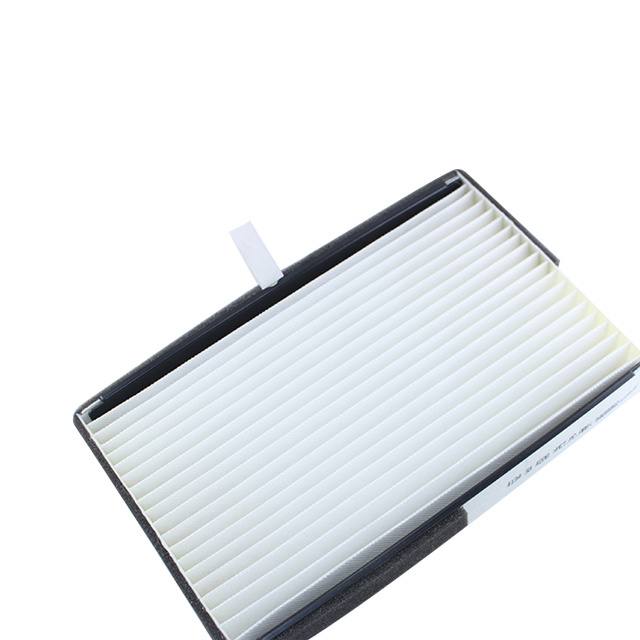
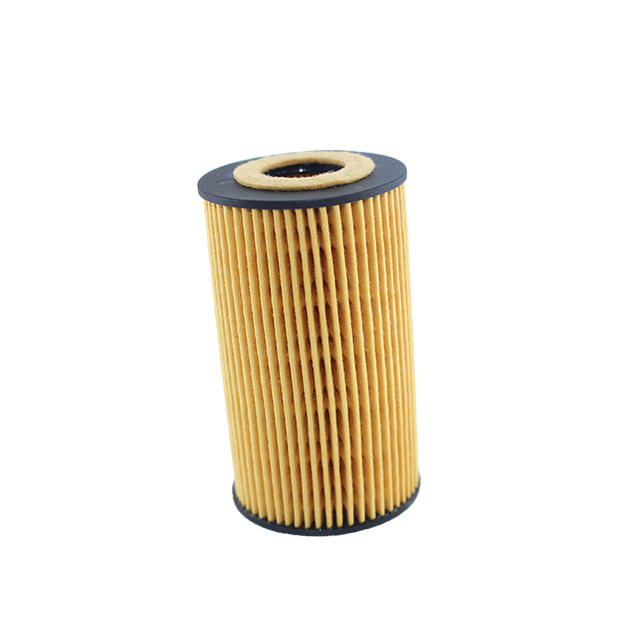
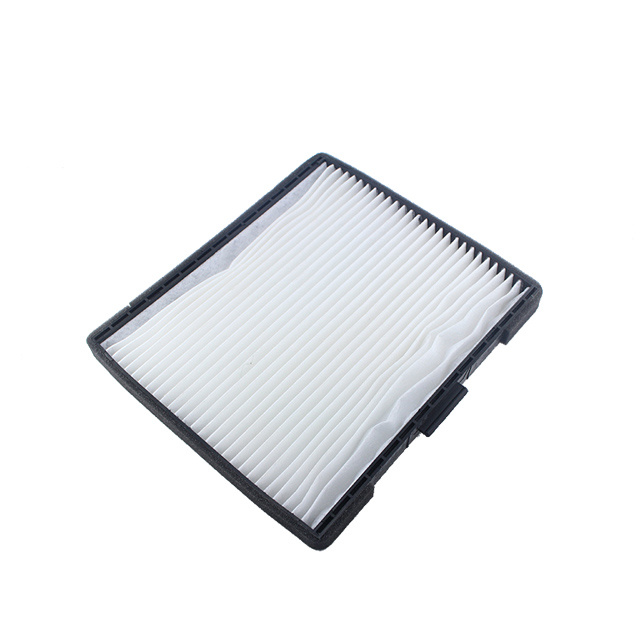
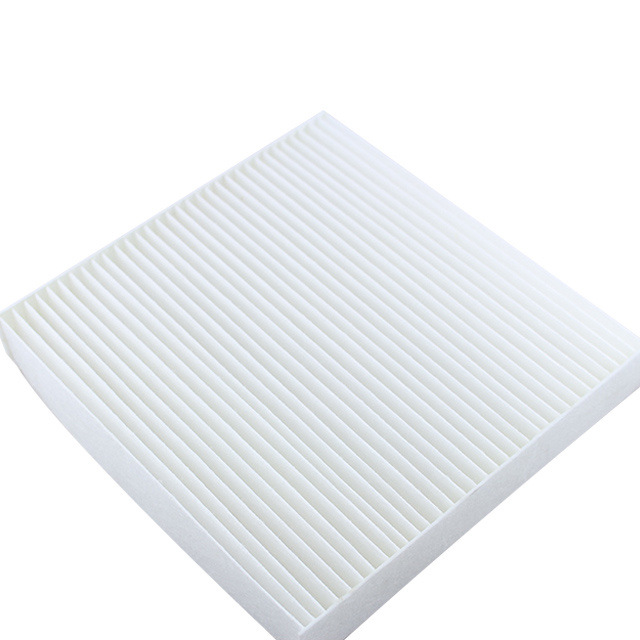
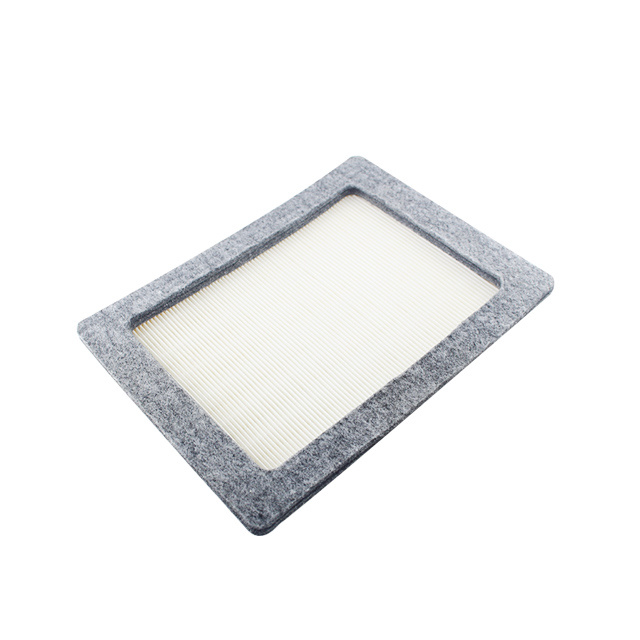
There are several types of filters available for central air units, each designed for specific applications and needs. For instance, fiberglass filters are economical and suitable for basic air filtration, while pleated filters offer a higher efficiency by capturing smaller particles due to their increased surface area. HEPA filters, known for their exceptional filtering capability, can trap up to 99.97% of particles as small as 0.3 microns, making them ideal for environments where air quality is of utmost importance. When selecting a filter, it’s essential to consider factors such as the MERV (Minimum Efficiency Reporting Value) rating, which indicates the filter's efficiency at capturing airborne particles.
To maximize the performance of filters in central air units, routine maintenance is key. It is generally recommended to inspect filters monthly and replace them every 1 to 3 months, depending on usage, the type of filter, and environmental conditions. For example, homes with pets or individuals with allergies may require more frequent changes to ensure optimal air quality. In addition to filter maintenance, it’s advisable to schedule regular professional inspections of the entire central air system to address any potential issues proactively.
In conclusion, filters play a vital role in the efficiency and effectiveness of central air units. By understanding their function and ensuring proper maintenance, you can significantly enhance indoor air quality and prolong the lifespan of your HVAC system. Prioritizing filter care not only contributes to a healthier living space but also promotes energy efficiency, ultimately benefiting both the environment and your operational costs.
Key words:

* Please Enter Keywords
The company is mainly engaged in the manufacture and sale of auto parts and accessories in the automobile manufacturing industry, the manufacture and sale of automobile rubber products, and the import and export of auto parts.