

 Esperanto
 Shqiptare
 Euskara
 Zulu
Zulu
 Latinus
 Cymraeg
 தமிழ்
தமிழ்
 Slovak
 Slovak
 Afrikaans
Focus On Hot Spots
Contact Info
E-mail: txgs@taixifilter.com
Manager Xu: +86-15097925576
Manager Feng: +86-15803195413
Address: North side of Caiyuan Village, Gexianzhuang Town, Qinghe County, Xingtai City, Hebei Province (No. 250)
How to Choose the Right Filter for Your Central Air System: A Comprehensive Guide
Release Time:
Jan 02,2025
How to Choose the Right Filter for Your Central Air System Choosing the right filter for your central air system is crucial for maintaining a comfortable and healthy indoor environment. Filters play a vital role in removing dust, allergens, and pollutants from the air, ensuring that your HVAC system operates efficiently. In this comprehensive guide, we will explore the types of filters available,
How to Choose the Right Filter for Your Central Air System
Choosing the right filter for your central air system is crucial for maintaining a comfortable and healthy indoor environment. Filters play a vital role in removing dust, allergens, and pollutants from the air, ensuring that your HVAC system operates efficiently. In this comprehensive guide, we will explore the types of filters available, their specifications, and how to select the best one for your needs.
Understanding Central Air Systems and Their Filters
Before diving into the specifics of filter selection, it is essential to understand how central air systems work and the significance of filters within them. Central air systems use a network of ducts to distribute cool or warm air throughout your home. The system pulls air from the indoor environment, cools or heats it, and then pushes it back into the living spaces.
Filters are an integral part of this system, capturing airborne particles and contaminants before they pass through the HVAC unit. The right filter not only improves air quality but also ensures the system operates at peak efficiency.
The Importance of Choosing the Right Filter
Selecting the appropriate filter can significantly impact several factors:
1. **Air Quality**: A high-quality filter can trap smaller particles and allergens, resulting in cleaner air.
2. **Energy Efficiency**: An efficient filter reduces strain on your HVAC system, leading to lower energy bills.
3. **System Longevity**: Keeping your system clean from debris and dust can extend its lifespan.
4. **Comfort**: Proper filtration ensures even temperature distribution throughout your home.
Types of Filters for Central Air Systems
Understanding the various types of filters available helps in making an informed choice. Here are the most common categories:
1. Fiberglass Filters
Fiberglass filters are the most basic and affordable type available. They consist of a layer of spun fiberglass, which traps larger particles like dust and lint. While they are inexpensive, they do not offer the same level of filtration as other options.
2. Pleated Filters
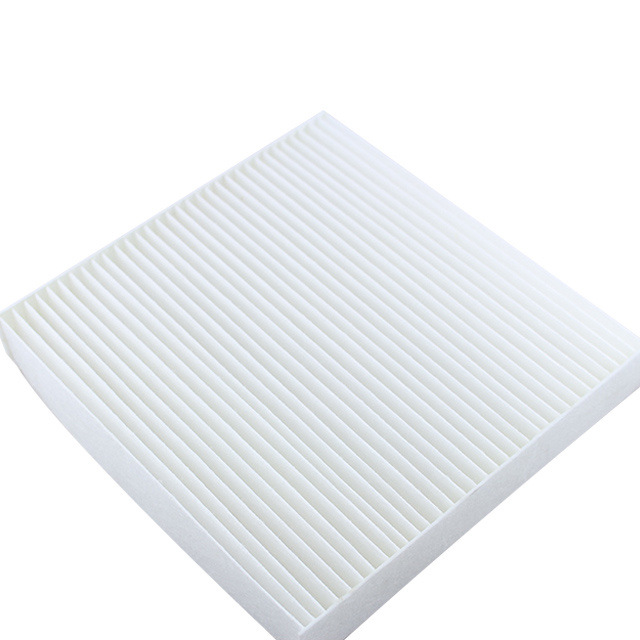
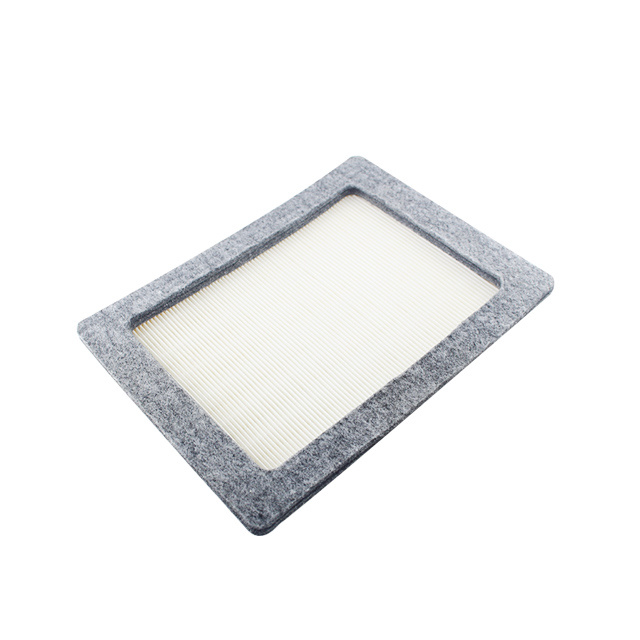
Pleated filters are made of a different material than fiberglass and feature a larger surface area due to their folds. This design allows them to capture smaller particles, making them a more effective choice. They typically have a MERV (Minimum Efficiency Reporting Value) rating ranging from 5 to 13.
3. HEPA Filters
HEPA (High-Efficiency Particulate Air) filters are the gold standard for air filtration. They can remove at least 99.97% of particles that are 0.3 microns or larger. While they provide superior filtration, it's essential to check if your central air system can accommodate them, as they can restrict airflow.
4. Electrostatic Filters
Electrostatic filters use static electricity to attract and capture particles from the air. They are washable and reusable, making them an eco-friendly option. Their filtration efficiency can vary, so it's important to check the manufacturer's specifications.
5. Activated Carbon Filters
These filters contain activated carbon granules that absorb odors, gases, and volatile organic compounds (VOCs). While they are excellent for improving air quality, they are often used in conjunction with other filter types, as they do not capture particulate matter effectively.
Evaluating Filter Efficiency: MERV Ratings Explained
Understanding MERV ratings is crucial in selecting the right filter for your central air system. The MERV scale ranges from 1 to 16, with higher numbers indicating better filtration efficiency.
MERV Ratings Breakdown
- **MERV 1-4**: Basic filtration for large particles; suitable for residential use if cost is a major concern.
- **MERV 5-8**: Standard filters capturing dust, pollen, and mold spores; suitable for most households.
- **MERV 9-12**: Better at trapping smaller particles, including pet dander and smoke; ideal for allergy sufferers.
- **MERV 13-16**: HEPA-level filtration; highly effective in trapping allergens and fine particles.
When choosing a filter, consider your household’s specific needs. For example, families with pets or allergies may benefit from a filter with a higher MERV rating.
Considerations for Choosing the Right Filter
When selecting a filter for your central air system, bear in mind the following considerations:
1. System Compatibility
Not all filters fit every system. Ensure that the filter you choose fits the dimensions specified by your HVAC manufacturer. Investing in the wrong size filter can result in reduced efficiency and potential damage to your system.
2. Air Quality Needs
Assess your household's specific air quality requirements. If anyone suffers from allergies or respiratory issues, opt for a filter with a higher MERV rating for improved air quality.
3. Maintenance and Replacement Frequency
Filters require regular maintenance to function optimally. Determine how often you need to replace or clean the filter. Disposable filters typically need changing every 1-3 months, while washable filters can be cleaned and reused.
4. Cost vs. Performance
While it might be tempting to go for the cheapest option, investing in a higher-quality filter can result in longer-term savings by improving system efficiency and air quality.
How to Install Your Air Filter Correctly
Installing your air filter correctly is essential for optimal performance:
1. Turn Off the System
Before replacing the filter, ensure the HVAC system is turned off to prevent any damage and ensure safety.
2. Locate the Filter Compartment
The filter compartment is typically located near the air handler or furnace. Consult your HVAC manual if you're unsure.
3. Remove the Old Filter
Carefully remove the existing filter. Pay attention to how it is positioned, as you’ll need to install the new one in the same orientation.
4. Insert the New Filter
Place the new filter into the compartment, ensuring it fits snugly and is oriented in the correct direction, usually indicated by arrows on the filter.
5. Turn the System Back On
Once installed, turn your HVAC system back on and ensure it is functioning correctly.
Common Mistakes to Avoid When Choosing Filters
To make the best choice, avoid these common mistakes:
1. Ignoring MERV Ratings
Many homeowners overlook the importance of MERV ratings, leading to poor air quality and increased energy costs.
2. Choosing Incompatible Filters
Always verify compatibility with your HVAC system before purchasing a filter to prevent issues down the line.
3. Skipping Regular Maintenance
Neglecting to replace or clean filters regularly can lead to system strain and decreased efficiency.
4. Overlooking Environmental Factors
Consider external environmental factors such as pollen counts, pollution levels, and pet dander when choosing the right filter.
FAQs About Central Air System Filters
1. How often should I replace my air filter?
It is recommended to replace disposable filters every 1-3 months. Washable filters can be cleaned and reused according to the manufacturer's guidelines.
2. Can I use a HEPA filter in my existing system?
Before using a HEPA filter, check with your HVAC manufacturer, as they may restrict airflow and affect system performance.
3. What is the difference between MERV and HEPA filters?
MERV filters have a broader range of efficiency ratings, while HEPA filters meet specific standards for removing fine particles from the air.
4. Are more expensive filters worth the cost?
Higher-quality filters typically offer better filtration efficiency, which can improve air quality and reduce energy costs over time.
5. Can a filter help with odors in my home?
Yes, using activated carbon filters can help absorb odors and improve the overall air quality in your home.
Conclusion
Choosing the right filter for your central air system is an essential decision that impacts air quality, energy efficiency, and system longevity. By understanding the various types of filters, evaluating MERV ratings, and considering your specific needs, you can make an informed choice. Regular maintenance and timely replacements will ensure that your HVAC system continues to function effectively, providing a comfortable and healthy environment for you and your family. Remember, investing in the right filter is not just about immediate comfort; it’s about the long-term health of your home.
Key words:

* Please Enter Keywords
The company is mainly engaged in the manufacture and sale of auto parts and accessories in the automobile manufacturing industry, the manufacture and sale of automobile rubber products, and the import and export of auto parts.