

 Esperanto
 Shqiptare
 Euskara
 Zulu
Zulu
 Latinus
 Cymraeg
 தமிழ்
தமிழ்
 Slovak
 Slovak
 Afrikaans
Focus On Hot Spots
Contact Info
E-mail: txgs@taixifilter.com
Manager Xu: +86-15097925576
Manager Feng: +86-15803195413
Address: North side of Caiyuan Village, Gexianzhuang Town, Qinghe County, Xingtai City, Hebei Province (No. 250)
How to Choose the Best Air Conditioner Air Filter for Your Home: A Comprehensive Guide
Release Time:
Jan 04,2025
How to Choose the Best Air Conditioner Air Filter for Your Home Table of Contents Understanding Air Filters and Their Importance Types of Air Conditioner Filters Fiberglass Filters Pleated Filters HEPA Filters Electrostatic Filters MERV Ratings and Their Significance Choosing the Right Size Filter Maintenance Ti
How to Choose the Best Air Conditioner Air Filter for Your Home
Table of Contents
- Understanding Air Filters and Their Importance
- Types of Air Conditioner Filters
- MERV Ratings and Their Significance
- Choosing the Right Size Filter
- Maintenance Tips for Air Filters
- Common Myths About Air Filters
- FAQs
Understanding Air Filters and Their Importance
Air conditioner air filters play a crucial role in maintaining indoor air quality. They trap dust, allergens, and pollutants, ensuring that the air circulating in your home is clean and healthy. **Choosing the right air filter is not just about air quality; it also affects the efficiency of your HVAC system**. A well-selected filter can lead to lower energy bills and extend the lifespan of your air conditioning unit.
Types of Air Conditioner Filters
When it comes to air conditioner filters, various options are available, each with its unique advantages and disadvantages. Understanding these will help you make an informed decision.
Fiberglass Filters
Fiberglass filters are the most basic type of air filter. They consist of a thin layer of fiberglass material that captures large particles like dust and lint. While they are inexpensive, they have low efficiency and may not capture smaller allergens, making them unsuitable for households with allergy sufferers.
Pleated Filters
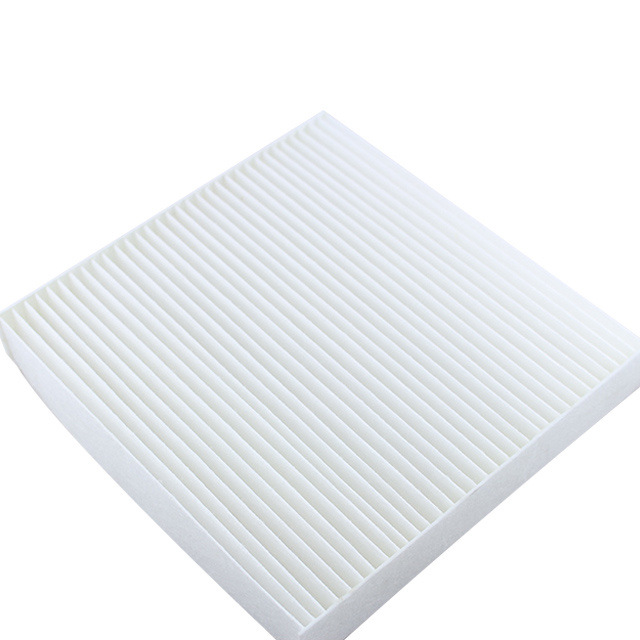
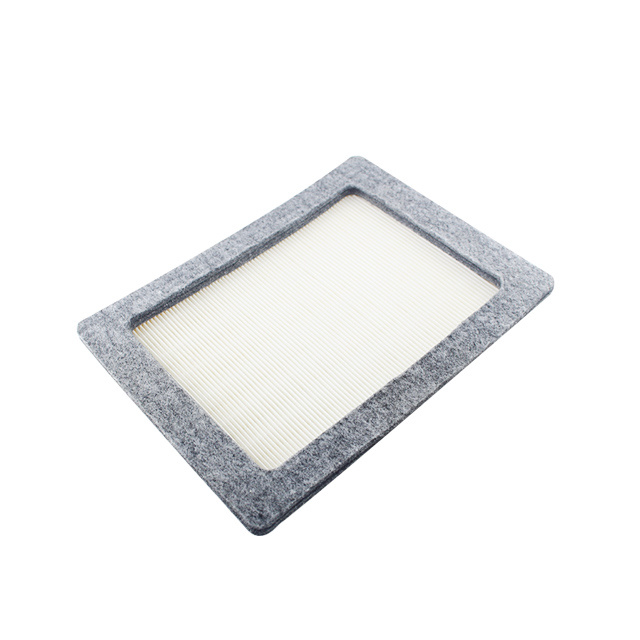
Pleated filters are made from a folded material that increases the surface area, allowing them to capture more particles. They are available in various MERV ratings, offering better filtration than fiberglass filters. **Pleated filters are a great option for balancing cost and efficiency**.
HEPA Filters
High-Efficiency Particulate Air (HEPA) filters are known for their superior air filtration capabilities. They can trap particles as small as 0.3 microns, including pollen, pet dander, and smoke. **However, they may require modifications to your HVAC system**, as most systems are not designed to handle such dense filters.
Electrostatic Filters
Electrostatic filters use static electricity to attract and trap particles. These filters are reusable and can be washed, making them a cost-effective and environmentally friendly option. They are highly efficient at capturing small particles and are ideal for households looking to maintain excellent air quality without frequent replacements.
MERV Ratings and Their Significance
MERV (Minimum Efficiency Reporting Value) ratings measure the effectiveness of air filters. The higher the MERV rating, the better the filter's ability to capture airborne particles. **Here's a breakdown of common MERV ratings**:
- **MERV 1-4**: Basic filtration, suitable for residential use but not ideal for allergy sufferers.
- **MERV 5-8**: Better filtration, can capture larger allergens like dust mites and mold spores.
- **MERV 9-12**: Excellent for homes with pets or allergy sufferers, effective against smaller particles.
- **MERV 13-16**: These filters are highly efficient and can capture smoke and bacteria, often used in hospitals.
Choosing the right MERV rating is essential. While higher-rated filters offer better protection, they can also restrict airflow if your HVAC system isn’t designed to handle them.
Choosing the Right Size Filter
Selecting the correct size air filter for your air conditioning unit is critical. A filter that is too small will allow unfiltered air to bypass it, reducing its effectiveness. Conversely, a filter that is too large may not fit properly and could cause system damage. **To find the right size**:
1. Check the old filter for its dimensions.
2. Look for the size printed on the filter frame.
3. Measure the filter slot if necessary.
Filters are typically measured in inches, with common sizes ranging from 16x20 inches to 20x25 inches. Always ensure you purchase the correct dimensions for optimal performance.
Maintenance Tips for Air Filters
To ensure your air filter works efficiently, regular maintenance is vital. Here are some essential tips:
1. **Change Filters Regularly**: Depending on the type of filter and usage, change your filter every 1–3 months. HEPA filters may last longer but should be checked regularly.
2. **Clean Electrostatic Filters**: If you opt for reusable filters, clean them every month to ensure they maintain their efficiency.
3. **Inspect for Damage**: Regularly check the filter for tears or damage, which can compromise its ability to trap particles.
4. **Schedule Professional Maintenance**: Having your HVAC system serviced yearly can help identify any potential issues and ensure the system operates efficiently.
Common Myths About Air Filters
Numerous myths surround air filters, leading to confusion. Here are some common misconceptions:
- **Myth 1**: All filters are the same.
**Reality**: Filters vary significantly in material, efficiency, and purpose.
- **Myth 2**: High MERV ratings are always better.
**Reality**: While high MERV ratings mean better filtration, they may not be suitable for all HVAC systems.
- **Myth 3**: You only need to change filters during allergy season.
**Reality**: Regular filter changes are crucial year-round to maintain air quality.
- **Myth 4**: The filter can last the entire season.
**Reality**: Most filters need changing every few months, especially in high-use scenarios.
FAQs
1. How often should I change my air conditioner filter?
It’s generally recommended to change your air filter every 1-3 months, depending on the type of filter and your home’s air quality.
2. Can a dirty air filter affect my air conditioning system's performance?
Yes, a dirty air filter can restrict airflow, forcing your air conditioning system to work harder and potentially leading to damage.
3. What are the signs that I need to replace my air filter?
Signs include reduced airflow, increased energy bills, and visible dirt or discoloration on the filter.
4. Can I use a higher MERV rated filter than what my system recommends?
It's essential to check your HVAC system's specifications before upgrading to a higher MERV filter, as it may impede airflow.
5. Are HEPA filters worth the investment?
If you have allergies or want superior air quality, HEPA filters are an excellent investment, but be sure your system can accommodate them.
Conclusion
Choosing the best air conditioner air filter for your home involves understanding your needs, evaluating filter types, and considering MERV ratings. By selecting the right filter and maintaining it regularly, you can ensure a comfortable and healthy indoor environment for you and your family. Always remember to prioritize quality over cost when making your decision, as the long-term benefits far outweigh the initial investment. With this comprehensive guide, we trust you now have the knowledge to make an informed choice that enhances your home's air quality and HVAC system efficiency.
Key words:

* Please Enter Keywords
The company is mainly engaged in the manufacture and sale of auto parts and accessories in the automobile manufacturing industry, the manufacture and sale of automobile rubber products, and the import and export of auto parts.