

 Esperanto
 Shqiptare
 Euskara
 Zulu
Zulu
 Latinus
 Cymraeg
 தமிழ்
தமிழ்
 Slovak
 Slovak
 Afrikaans
Focus On Hot Spots
Contact Info
E-mail: txgs@taixifilter.com
Manager Xu: +86-15097925576
Manager Feng: +86-15803195413
Address: North side of Caiyuan Village, Gexianzhuang Town, Qinghe County, Xingtai City, Hebei Province (No. 250)
Top Benefits of Using Quality Air Filters in Air Conditioners: Enhance Indoor Air Quality and Optimize Efficiency
Release Time:
Jan 06,2025
Top Benefits of Using Quality Air Filters in Air Conditioners Introduction to Air Filters and Their Importance Air filters are essential components of air conditioning systems, serving as the first line of defense against harmful particles. They trap dust, pollen, pet dander, and other pollutants, significantly enhancing indoor air quality. In this article, we will explore the **top benefits of
Top Benefits of Using Quality Air Filters in Air Conditioners
Introduction to Air Filters and Their Importance
Air filters are essential components of air conditioning systems, serving as the first line of defense against harmful particles. They trap dust, pollen, pet dander, and other pollutants, significantly enhancing indoor air quality. In this article, we will explore the **top benefits of using quality air filters in air conditioners**, emphasizing their role in improving health, efficiency, and overall comfort in any environment.
Understanding the Different Types of Air Filters
Before diving into the benefits, it’s important to understand the various types of air filters available for air conditioning units:
1. Fiberglass Filters
Fiberglass filters are the most basic type, typically inexpensive and disposable. While they effectively capture larger particles, their efficiency in filtering finer pollutants is limited.
2. Pleated Filters
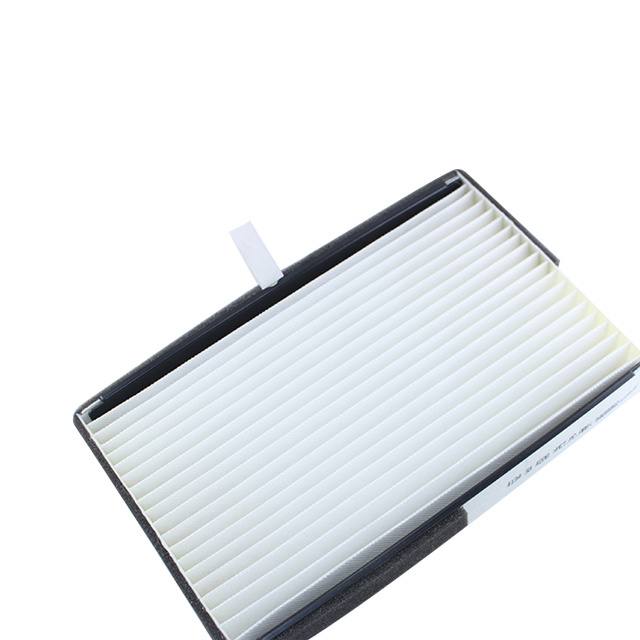
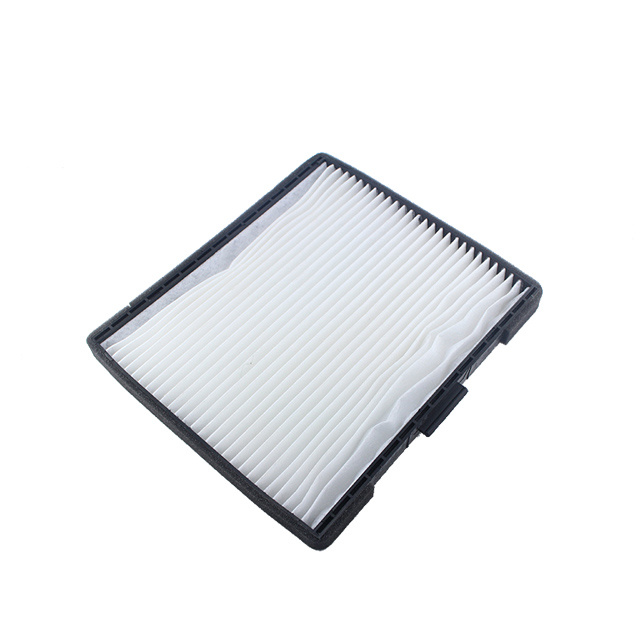
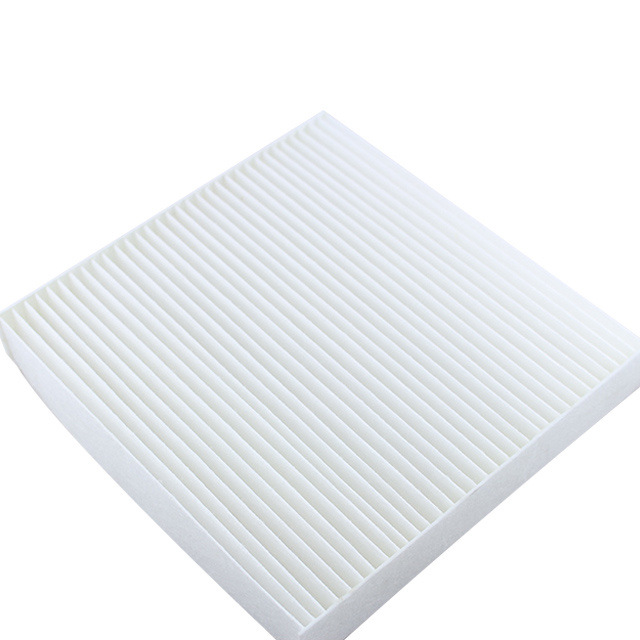
Pleated air filters offer a larger surface area, which allows them to trap more contaminants than fiberglass models. They are more efficient and have a longer lifespan.
3. HEPA Filters
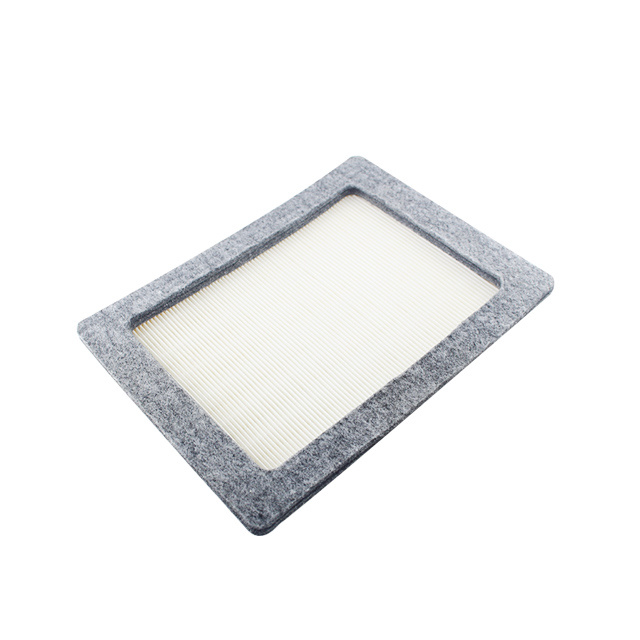
High-Efficiency Particulate Air (HEPA) filters are known for their exceptional ability to capture up to 99.97% of particles as small as 0.3 microns. They are often recommended for individuals with allergies and respiratory issues.
4. Electrostatic Filters
These filters use electrostatic charge to attract and capture particles. They are reusable and can be washed, making them a cost-effective choice in the long run.
Key Benefits of Using Quality Air Filters
Quality air filters provide numerous benefits that go beyond mere air purification. Below are some of the most significant advantages of using high-quality filters in air conditioners.
1. Improved Indoor Air Quality
The primary function of air filters is to enhance indoor air quality. Quality filters effectively trap airborne particles, including dust, pollen, mold spores, and pet dander. This is especially beneficial for individuals with allergies or asthma, as cleaner air can reduce allergy symptoms and respiratory issues.
2. Enhanced Energy Efficiency
Using high-quality air filters can significantly improve the energy efficiency of your air conditioning system. When filters are clean and functioning properly, air can flow freely through the system. This reduces strain on the unit, leading to lower energy consumption and utility bills. In contrast, dirty or low-quality filters can cause the system to work harder, increasing energy usage.
3. Prolonged Equipment Lifespan
Regularly changing and maintaining quality air filters can extend the lifespan of your air conditioning system. When filters become clogged, it can lead to overheating and increased wear and tear on the unit. By ensuring that your filters are of high quality and are replaced regularly, you can help your system operate optimally for years to come.
4. Reduced Maintenance Costs
Investing in quality air filters can lead to reduced maintenance costs in the long run. A clean air filter will minimize the buildup of dirt and grime within the system, decreasing the likelihood of costly repairs. Regular maintenance becomes easier and less frequent, saving both time and money.
5. Better Humidity Control
Air filters play a role in regulating indoor humidity levels. Quality filters can assist in removing excess moisture from the air, contributing to a more comfortable living environment. Proper humidity control is crucial in preventing mold growth and maintaining overall air quality.
6. Enhanced Comfort Levels
A well-functioning air conditioning system equipped with quality filters provides optimal cooling performance. Clean air leads to a more comfortable environment, ensuring that occupants enjoy consistent temperatures without the discomfort of allergens and pollutants circulating in the air.
7. Contribution to a Healthier Environment
Quality air filters not only improve indoor air quality but also contribute to a healthier environment overall. By reducing airborne pollutants, these filters help create a safer living space for everyone, particularly vulnerable populations, such as children, the elderly, and those with pre-existing health conditions.
8. Environmental Benefits
Using high-quality air filters in air conditioners can have a positive impact on the environment. Energy-efficient systems consume less power, reducing the carbon footprint associated with energy production. Moreover, less frequent replacements of durable filters mean less waste.
How to Choose the Right Air Filter for Your Needs
Selecting the right air filter for your air conditioning system is crucial to maximize its benefits. Here are some factors to consider:
1. MERV Rating
The Minimum Efficiency Reporting Value (MERV) rating measures a filter's efficiency at capturing particles. Higher MERV ratings indicate better filtration but may require a more powerful system to maintain airflow.
2. Size and Compatibility
Ensure that the air filter you choose is compatible with your air conditioning system. Measure the dimensions of your existing filter before making a purchase.
3. Maintenance Requirements
Consider how often you are willing to change or clean the filter. Some filters require frequent changes, while others, like electrostatic filters, can be washed and reused.
4. Allergies and Sensitivities
If you or any occupants have allergies or respiratory conditions, opt for HEPA filters or filters specifically designed to capture allergens.
Frequently Asked Questions (FAQs)
1. How often should I change my air filter?
It is generally recommended to change your air filter every one to three months, depending on usage and the type of filter.
2. Can I use my air conditioning system without a filter?
No, using your air conditioning system without a filter can cause significant damage to the unit and result in poor air quality.
3. Are expensive filters always better?
Not necessarily. While higher-priced filters may offer better filtration, it's important to choose one that best suits your needs and system compatibility.
4. What are the signs of a clogged air filter?
Signs of a clogged filter include reduced airflow, increased energy costs, and noticeable dust accumulation in your home.
5. Can I clean my air filters instead of replacing them?
It depends on the type of filter. Some filters, like electrostatic filters, can be cleaned and reused, while others are disposable and should be replaced.
Conclusion
Investing in quality air filters for your air conditioning system is not just a matter of convenience; it's an essential step towards enhancing indoor air quality, improving energy efficiency, and ensuring a healthier living environment. By choosing the right filter, maintaining it regularly, and understanding its benefits, you can significantly impact your overall well-being and comfort. Prioritizing quality air filters will lead to a cleaner, more efficient, and healthier indoor atmosphere, ensuring that you and your loved ones can breathe easier.
Key words:

* Please Enter Keywords
The company is mainly engaged in the manufacture and sale of auto parts and accessories in the automobile manufacturing industry, the manufacture and sale of automobile rubber products, and the import and export of auto parts.