

 Esperanto
 Shqiptare
 Euskara
 Zulu
Zulu
 Latinus
 Cymraeg
 தமிழ்
தமிழ்
 Slovak
 Slovak
 Afrikaans
Focus On Hot Spots
Contact Info
E-mail: txgs@taixifilter.com
Manager Xu: +86-15097925576
Manager Feng: +86-15803195413
Address: North side of Caiyuan Village, Gexianzhuang Town, Qinghe County, Xingtai City, Hebei Province (No. 250)
How to Choose the Right Air Conditioner Air Filter for Your Needs
Release Time:
Jan 08,2025
How to Choose the Right Air Conditioner Air Filter for Your Needs Table of Contents Understanding Air Filters: A Comprehensive Overview The Importance of Filter Efficiency Ratings Types of Air Conditioner Filters: Which is Right for You? MERV Ratings Explained: Selecting the Best Filter How to Measure Air Filter Sizes Accurately How Often Should You Change Your Air Filter?
How to Choose the Right Air Conditioner Air Filter for Your Needs
Table of Contents
- Understanding Air Filters: A Comprehensive Overview
- The Importance of Filter Efficiency Ratings
- Types of Air Conditioner Filters: Which is Right for You?
- MERV Ratings Explained: Selecting the Best Filter
- How to Measure Air Filter Sizes Accurately
- How Often Should You Change Your Air Filter?
- Signs That You Need to Replace Your Air Filter
- Frequently Asked Questions (FAQs)
Understanding Air Filters: A Comprehensive Overview
Choosing the right air conditioner air filter is essential for maintaining a healthy indoor environment. Air filters play a critical role in trapping dust, allergens, and other airborne contaminants, ensuring that you breathe clean air. With various options available in the market, it can be overwhelming to determine which filter best suits your needs. Understanding how air filters work and their different features will help you make an informed decision.
What Do Air Filters Do?
Air filters function by capturing particles present in the air, such as pet dander, pollen, smoke, and dust. They prevent these contaminants from circulating through your home, contributing to better air quality. Additionally, efficient air filters can enhance the performance and longevity of your air conditioning unit.
Why Is Choosing the Right Filter Important?
Using an incompatible or low-quality air filter can lead to numerous issues, including reduced airflow, increased energy consumption, and potential damage to your air conditioning system. Selecting the right air filter ensures optimal performance, energy efficiency, and a healthier living environment.
The Importance of Filter Efficiency Ratings
Filter efficiency ratings are crucial metrics to consider when selecting an air conditioner air filter. These ratings indicate how well a filter can capture airborne particles. Understanding these ratings will help you choose a filter that meets your specific requirements.
The Role of Efficiency Ratings
Air filters are often rated based on the Minimum Efficiency Reporting Value (MERV) system, which ranges from 1 to 16. A higher MERV rating signifies better filtration capability, meaning the filter can capture smaller particles. However, it’s essential to balance filtration efficiency with airflow to ensure your air conditioning system operates effectively.
Choosing the Right Efficiency Level
For general residential use, a filter with a MERV rating of 8 to 12 is usually sufficient. However, if you have allergies, pets, or other specific needs, you might consider filters with higher MERV ratings for enhanced filtration.
Types of Air Conditioner Filters: Which is Right for You?
Understanding the different types of air conditioner filters will help you make an informed choice that aligns with your needs and preferences.
Fiberglass Filters
Fiberglass filters are the most common and affordable type. They capture larger particles and are best suited for basic filtration needs but may not be effective against smaller allergens.
Pleated Filters
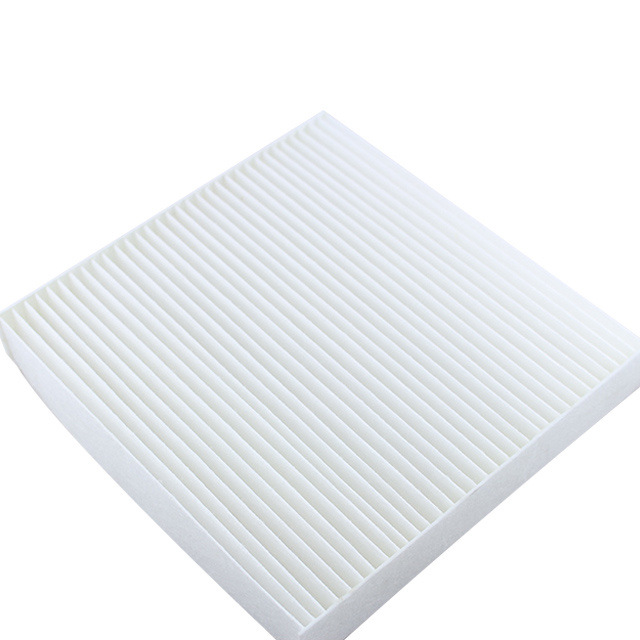
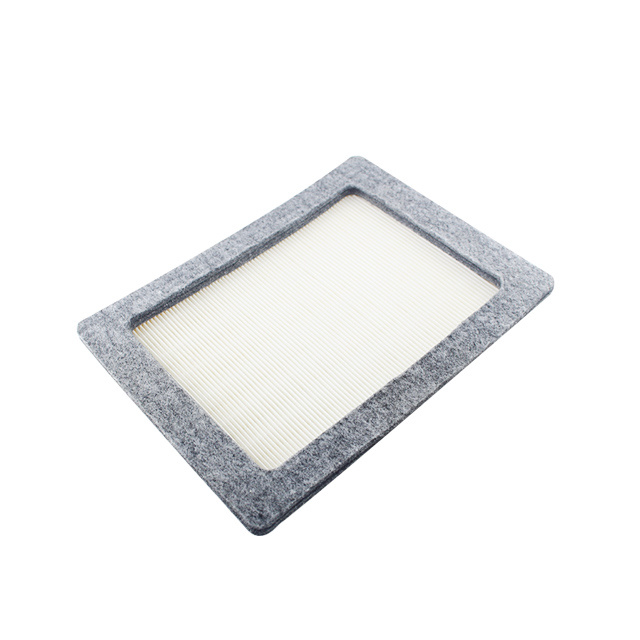
Pleated filters have a larger surface area than fiberglass filters, allowing them to trap more particles. They are available in various MERV ratings, making them a versatile option for many households.
Electrostatic Filters
Electrostatic filters use static electricity to attract and capture particles. They are reusable and can be washed, providing an eco-friendly option. However, they may require more maintenance than disposable filters.
HEPA Filters
High-Efficiency Particulate Air (HEPA) filters are designed to capture 99.97% of particles, making them ideal for individuals with allergies or respiratory issues. They are more expensive but offer superior filtration.
MERV Ratings Explained: Selecting the Best Filter
The MERV rating system categorizes filters based on their ability to capture particles of varying sizes. Understanding these ratings can guide you in selecting the most appropriate air filter for your air conditioning system.
MERV 1-4: Basic Filters
Filters with MERV ratings between 1 and 4 are typically fiberglass filters that capture large particles like dust and pet hair but do little to filter out smaller allergens.
MERV 5-8: Medium Filters
These filters are more efficient than basic filters and can capture mold spores, dust mites, and pet dander. They are suitable for most residential applications.
MERV 9-12: High-Efficiency Filters
Filters with MERV ratings of 9 to 12 are capable of trapping smaller particles, making them a good choice for households with allergy sufferers.
MERV 13-16: Superior Filters
These filters are designed for specialized applications, such as medical facilities. They capture tiny particles, including bacteria and smoke, providing the highest level of filtration.
How to Measure Air Filter Sizes Accurately
Choosing the right size air filter is essential for optimal air conditioning performance. An improperly sized filter can lead to poor airflow and decreased efficiency.
Finding Your Filter Size
To measure your air filter size, remove the existing filter and check for the dimensions printed on its frame. If the dimensions are not available, you can use a tape measure to determine the width, height, and thickness of the filter.
Standard Filter Sizes
Standard air filter sizes include 16x20, 16x25, and 20x25 inches. However, custom sizes are also available for specific units. Always ensure you have the correct size to maintain airflow and efficiency.
How Often Should You Change Your Air Filter?
Regularly changing your air filter is essential for maintaining your air conditioner's performance and ensuring good air quality.
General Guidelines for Changing Filters
For most households, it is recommended to change standard air filters every 1 to 3 months. Factors such as the presence of pets, allergies, and heavy usage can necessitate more frequent changes.
Seasonal Considerations
During peak seasons when your air conditioning system is in constant use, consider checking and potentially replacing your filter monthly. This practice helps prevent clogs and maintains optimal airflow.
Signs That You Need to Replace Your Air Filter
Monitoring your air filter's condition is crucial for maintaining a healthy environment. Here are some indicators that it needs replacement:
Increased Energy Bills
If you notice a sudden spike in your energy bills, it could indicate that your air filter is clogged and forcing your air conditioner to work harder.
Reduced Airflow
Weak airflow from vents is a sign of a dirty filter. If air is not flowing freely, it may be time to check and replace your filter.
Visible Dust Accumulation
Excessive dust on furniture and surfaces can indicate that your air filter is not effectively capturing particles, necessitating a change.
Unpleasant Odors
Foul smells from your air conditioning system can be a sign of a dirty filter that is harboring mold or bacteria.
Frequently Asked Questions (FAQs)
1. How do I know which air filter is right for my air conditioner?
Consider your air quality needs, budget, and the MERV rating that aligns with your requirements. Check your air conditioning unit's specifications for compatible filter sizes.
2. Can I use a higher MERV rated filter than recommended?
While you can use a higher MERV filter, ensure that it does not restrict airflow, as this can damage your system. Consult your HVAC professional for specific recommendations.
3. Are washable filters worth it?
Washable filters can be cost-effective in the long run but require consistent maintenance. If you're diligent about cleaning, they can be a good choice; otherwise, disposable filters may be more convenient.
4. What happens if I don't change my air filter regularly?
Neglecting to change your air filter can lead to poor indoor air quality, increased energy bills, and potential damage to your air conditioning system due to restricted airflow.
5. Can I make my air filter last longer?
Regularly check your filter every month and clean it if it's washable. Additionally, maintaining good ventilation and reducing dust in your home can help extend its lifespan.
Conclusion
Choosing the right air conditioner air filter is crucial for maintaining a healthy indoor environment and optimizing the performance of your HVAC system. By understanding the types of filters, efficiency ratings, and proper maintenance practices, we can ensure clean air circulation and enhance the longevity of our air conditioning units. Whether you prioritize cost, efficiency, or specific air quality needs, making informed decisions will lead to a healthier home and a more comfortable living space. Regularly monitor your air filter's condition, and don't hesitate to replace it when necessary to enjoy the benefits of cleaner, fresher air.
Key words:

* Please Enter Keywords
The company is mainly engaged in the manufacture and sale of auto parts and accessories in the automobile manufacturing industry, the manufacture and sale of automobile rubber products, and the import and export of auto parts.