

 Esperanto
 Shqiptare
 Euskara
 Zulu
Zulu
 Latinus
 Cymraeg
 தமிழ்
தமிழ்
 Slovak
 Slovak
 Afrikaans
Focus On Hot Spots
Contact Info
E-mail: txgs@taixifilter.com
Manager Xu: +86-15097925576
Manager Feng: +86-15803195413
Address: North side of Caiyuan Village, Gexianzhuang Town, Qinghe County, Xingtai City, Hebei Province (No. 250)
The Essential Guide to Air Conditioner Air Filters: Importance, Types, and Maintenance
Release Time:
Jan 09,2025
Air conditioners are vital for maintaining a comfortable indoor environment, especially in industrial settings where temperature control is essential for both personnel and equipment. One key component of an air conditioning system that is often overlooked is the air filter. The air conditioner air filter serves a critical purpose, filtering out dust, allergens, and other airborne particles to ens
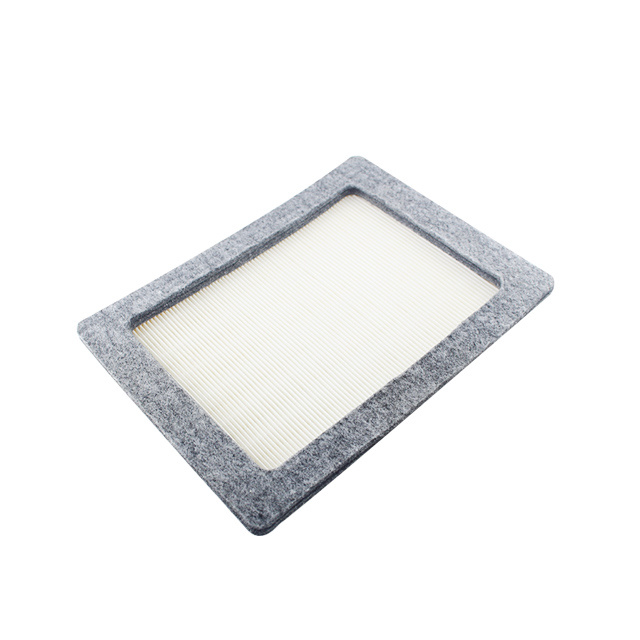
The primary function of an air conditioner air filter is to protect the unit itself and improve indoor air quality. When air passes through the filter, particles like dust, pollen, and pet dander are captured, preventing them from circulating back into the environment. This is particularly important in industrial environments where contaminants can affect both equipment performance and worker health. A clean filter not only improves air quality but also enhances the efficiency of the air conditioning system, leading to lower energy consumption.
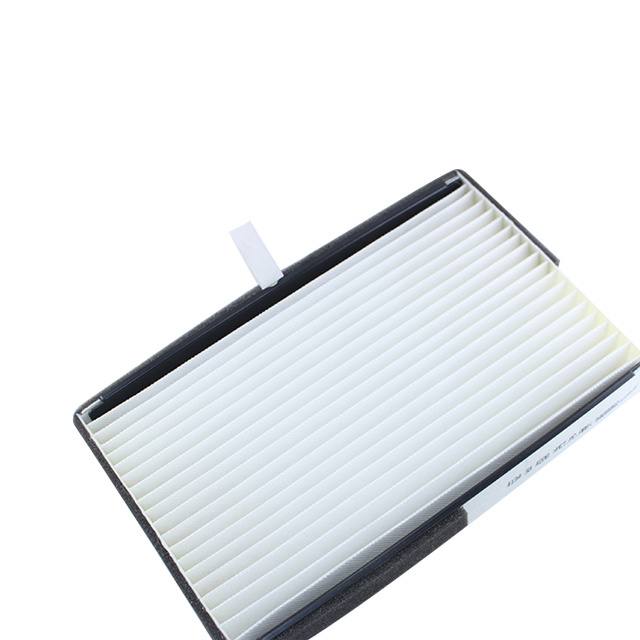
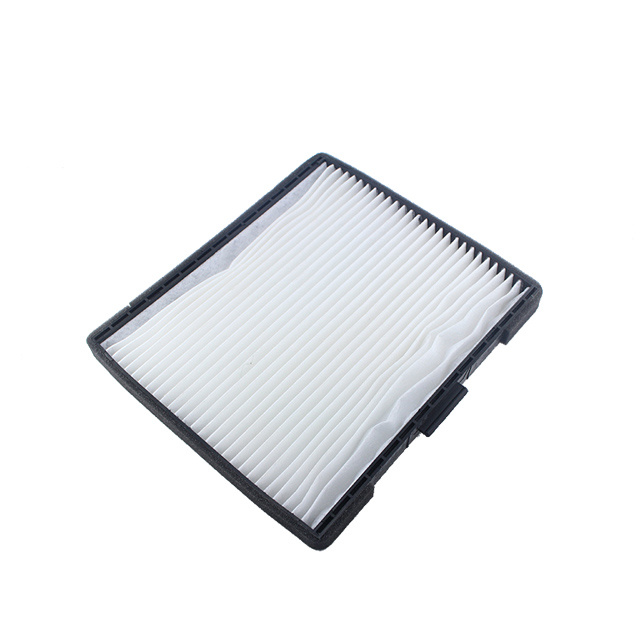
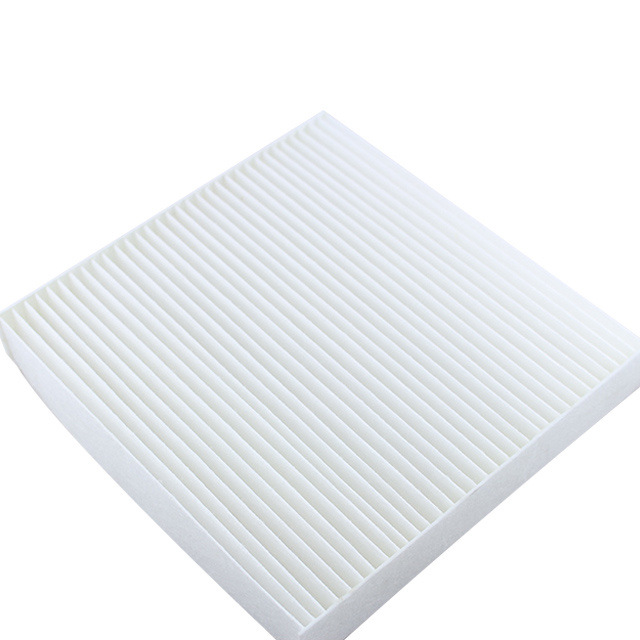
There are several types of air filters used in air conditioning systems, each with its own advantages and limitations. The most common types include fiberglass filters, pleated filters, and HEPA filters. Fiberglass filters are economical and effective for basic filtration, but they may not capture the finest particles. Pleated filters, on the other hand, have a larger surface area and can trap smaller particles, offering better air quality. HEPA filters are the gold standard for filtration, capable of removing 99.97% of particles that are 0.3 microns or larger, making them ideal for sensitive environments.
Regular maintenance of the air conditioner air filter is crucial for optimal performance. It is recommended to check and replace the filter every one to three months, depending on the type of filter and the level of usage. In high-traffic industrial settings, filters may need to be changed more frequently due to higher levels of dust and contaminants. A clogged filter can restrict airflow, forcing the system to work harder, which can lead to increased energy costs and potential equipment failure.
In summary, understanding the importance of air conditioner air filters can significantly impact both the performance of your HVAC system and the quality of the air you breathe. By selecting the right type of filter and committing to a regular maintenance schedule, you can ensure that your air conditioning system operates efficiently and effectively, providing a healthier environment for all occupants.
Key words:

* Please Enter Keywords
The company is mainly engaged in the manufacture and sale of auto parts and accessories in the automobile manufacturing industry, the manufacture and sale of automobile rubber products, and the import and export of auto parts.