

 Esperanto
 Shqiptare
 Euskara
 Zulu
Zulu
 Latinus
 Cymraeg
 தமிழ்
தமிழ்
 Slovak
 Slovak
 Afrikaans
Focus On Hot Spots
Contact Info
E-mail: txgs@taixifilter.com
Manager Xu: +86-15097925576
Manager Feng: +86-15803195413
Address: North side of Caiyuan Village, Gexianzhuang Town, Qinghe County, Xingtai City, Hebei Province (No. 250)
Understanding the Essential Role of a Central AC Unit Filter in Enhancing Indoor Air Quality
Release Time:
Jan 24,2025
Understanding the Essential Role of a Central AC Unit Filter in Enhancing Indoor Air Quality Table of Contents Introduction What is a Central AC Unit Filter? Importance of Indoor Air Quality How Central AC Unit Filters Work Types of Central AC Unit Filters Fiberglass Filters Pleated Filters Electronic Filters High-Effici
Understanding the Essential Role of a Central AC Unit Filter in Enhancing Indoor Air Quality
Table of Contents
- Introduction
- What is a Central AC Unit Filter?
- Importance of Indoor Air Quality
- How Central AC Unit Filters Work
- Types of Central AC Unit Filters
- Fiberglass Filters
- Pleated Filters
- Electronic Filters
- High-Efficiency Particulate Air (HEPA) Filters
- Maintenance and Replacement of Filters
- Benefits of a Clean AC Filter
- Impact on Energy Efficiency
- Common Misconceptions About AC Filters
- Frequently Asked Questions
- Conclusion
Introduction
In today’s world, maintaining **high indoor air quality** is more crucial than ever. With various pollutants and allergens, knowing how to enhance the air we breathe indoors is essential. One significant element of this is the **central AC unit filter**. This article explores its vital role, functionality, types, maintenance, and overall impact on air quality.
What is a Central AC Unit Filter?
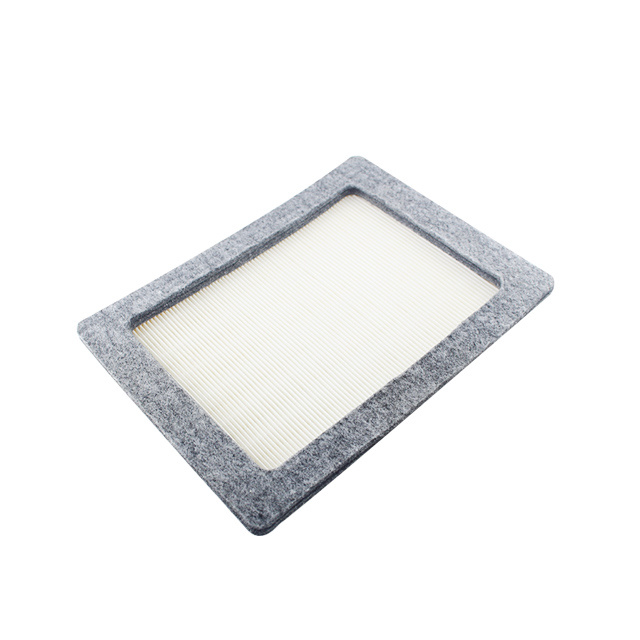
A central AC unit filter is a critical component of your **heating, ventilation, and air conditioning (HVAC)** system. It works by trapping dust, pollen, pet dander, and other microscopic particles that can harm indoor air quality. By removing these contaminants, the filter ensures that the air circulating throughout your home remains clean and healthy.
Importance of Indoor Air Quality
Indoor air quality significantly affects our health and wellbeing. Poor air quality can lead to various health issues, including respiratory problems, allergies, and even long-term diseases. According to the **Environmental Protection Agency (EPA)**, indoor air can be up to five times more polluted than outdoor air. Understanding the importance of a central AC unit filter is crucial for combating these issues and creating a healthier living environment.
How Central AC Unit Filters Work
Central AC filters operate based on a simple yet effective principle: they capture airborne particles as air flows through the HVAC system. The filter's effectiveness hinges on its material and design. When air moves through the filter, particles become trapped, preventing them from circulating back into your living space. This process not only improves air quality but also protects the AC unit from dust buildup, enhancing its lifespan and efficiency.
Types of Central AC Unit Filters
Different types of filters cater to varying needs. Understanding these can help you choose the right one for your system.
Fiberglass Filters
Fiberglass filters are the most common and affordable option. They are made from layered fiberglass fibers and are effective at trapping larger particles. However, they tend to allow smaller particles to pass through, which can compromise air quality.
Pleated Filters
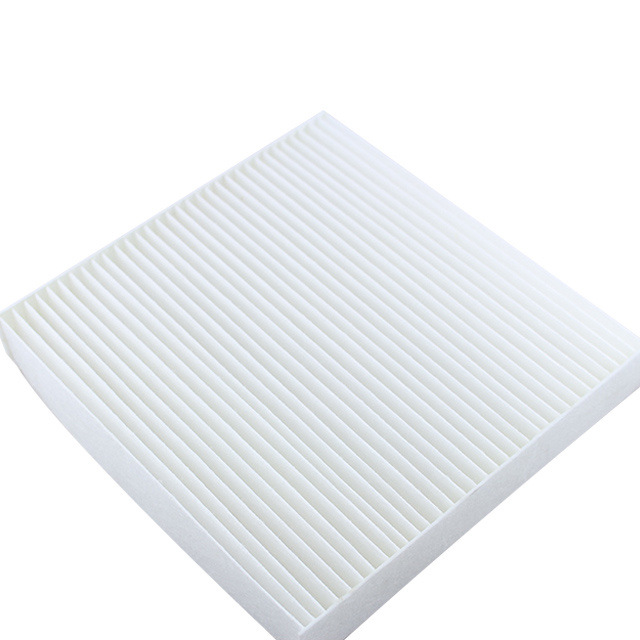
Pleated filters offer a larger surface area than fiberglass filters, enhancing their ability to capture smaller pollutants. They are considered more efficient and usually last longer than basic fiberglass filters.
Electronic Filters
Electronic filters use a different technology, employing an electric charge to capture particles. These filters are highly efficient but require regular cleaning to maintain their effectiveness.
High-Efficiency Particulate Air (HEPA) Filters
HEPA filters are among the most effective at removing particles from the air. They can trap 99.97% of particles that are 0.3 microns or larger. While they tend to be more expensive, their ability to provide clean air makes them worth the investment for many households.
Maintenance and Replacement of Filters
To ensure that your central AC unit filter functions optimally, regular maintenance is essential. Checking and replacing your filter every 1-3 months is generally recommended. Regular maintenance helps prevent dust buildup, which can impact both air quality and energy efficiency.
Benefits of a Clean AC Filter
The advantages of maintaining a clean AC filter are numerous. A clean filter can help:
- **Enhance Indoor Air Quality**: By trapping harmful pollutants, cleaner air contributes to better health.
- **Increase Energy Efficiency**: A clean filter allows your system to operate more efficiently, reducing energy costs.
- **Extend Equipment Lifespan**: Regular filter maintenance helps your HVAC system run smoothly, prolonging its lifespan.
- **Reduce Allergens**: A good filter helps minimize allergens, creating a more comfortable environment for allergy sufferers.
- **Improve System Performance**: Clean filters improve airflow, enhancing overall HVAC performance.
Impact on Energy Efficiency
A clogged or dirty filter can significantly reduce your HVAC system's efficiency, leading to higher energy bills. When air cannot pass through the filter freely, the system has to work harder, consuming more energy. By keeping your filter clean, you can ensure that your system operates at peak efficiency, ultimately saving you money on energy costs.
Common Misconceptions About AC Filters
Several myths surround central AC unit filters, leading to confusion. Here are a few common misconceptions:
1. **All filters are created equal**: Not all filters perform the same; understanding the types available is crucial.
2. **Fiberglass filters are sufficient for all homes**: While they are cost-effective, they may not provide adequate filtration for homes with specific air quality needs.
3. **Filters last forever**: Filters need regular replacement to maintain effectiveness. Ignoring this can lead to decreased air quality and increased energy costs.
Frequently Asked Questions
1. How often should I replace my central AC unit filter?
We recommend checking and replacing your filter every 1-3 months, depending on usage and filter type.
2. Can I clean and reuse my AC filter?
Some filters, like electronic ones, can be cleaned, but most disposable filters should be replaced to ensure optimal performance.
3. What happens if I don’t replace my filter?
Failing to replace your filter can lead to decreased indoor air quality, higher energy bills, and potential damage to your HVAC system.
4. Are HEPA filters worth the investment?
Yes, HEPA filters are highly effective at trapping small particles and allergens, making them great for homes with allergy sufferers or pets.
5. Can I use an air purifier instead of a filter?
While an air purifier can help improve air quality, it should not replace your HVAC filter, which is essential for system efficiency and performance.
Conclusion
In summary, the **central AC unit filter** plays a pivotal role in maintaining **high indoor air quality**. By understanding its functions, types, and maintenance requirements, we can significantly enhance our living spaces. Prioritizing the health of our air not only contributes to better comfort but also promotes overall wellbeing. Investing in the right filter and keeping it well-maintained can lead to substantial benefits, including improved health, lower energy costs, and a more efficient HVAC system.
Key words:

* Please Enter Keywords
The company is mainly engaged in the manufacture and sale of auto parts and accessories in the automobile manufacturing industry, the manufacture and sale of automobile rubber products, and the import and export of auto parts.