

 Esperanto
 Shqiptare
 Euskara
 Zulu
Zulu
 Latinus
 Cymraeg
 தமிழ்
தமிழ்
 Slovak
 Slovak
 Afrikaans
Focus On Hot Spots
Contact Info
E-mail: txgs@taixifilter.com
Manager Xu: +86-15097925576
Manager Feng: +86-15803195413
Address: North side of Caiyuan Village, Gexianzhuang Town, Qinghe County, Xingtai City, Hebei Province (No. 250)
DIY Guide: Replacing Your Central AC Unit Filter Like a Pro
Release Time:
Jan 26,2025
DIY Guide: Replacing Your Central AC Unit Filter Like a Pro Table of Contents Understanding the Importance of AC Filters Types of Central AC Filters How Often Should You Replace Your AC Filter? Step-by-Step Guide to Replacing Your AC Filter Tools and Materials Needed for the Job Common Mistakes to Avoid When Replacing Your AC Filter Tips for Choosing the Right AC Filte
DIY Guide: Replacing Your Central AC Unit Filter Like a Pro
Table of Contents
- Understanding the Importance of AC Filters
- Types of Central AC Filters
- How Often Should You Replace Your AC Filter?
- Step-by-Step Guide to Replacing Your AC Filter
- Tools and Materials Needed for the Job
- Common Mistakes to Avoid When Replacing Your AC Filter
- Tips for Choosing the Right AC Filter
- Maintaining Your AC System for Optimal Performance
- Frequently Asked Questions
Understanding the Importance of AC Filters
Replacing your central AC unit filter is crucial not only for air quality but also to maintain energy efficiency. The air filter traps dust, pollen, and other airborne particles, preventing them from circulating through your home. A clean filter ensures better airflow, reducing the strain on your HVAC system and enhancing its performance. **Ignoring filter replacements can lead to clogged ducts, system breakdowns, and increased energy bills.** Thus, understanding the significance of a well-maintained filter is the first step toward becoming an AC maintenance pro.
Types of Central AC Filters
Before diving into the replacement process, it’s essential to understand the various types of filters available:
Standard Fiberglass Filters
These are the most common filters, typically made of layered fiberglass. They are affordable but must be replaced more frequently, as they only capture larger particles.
Pleated Filters
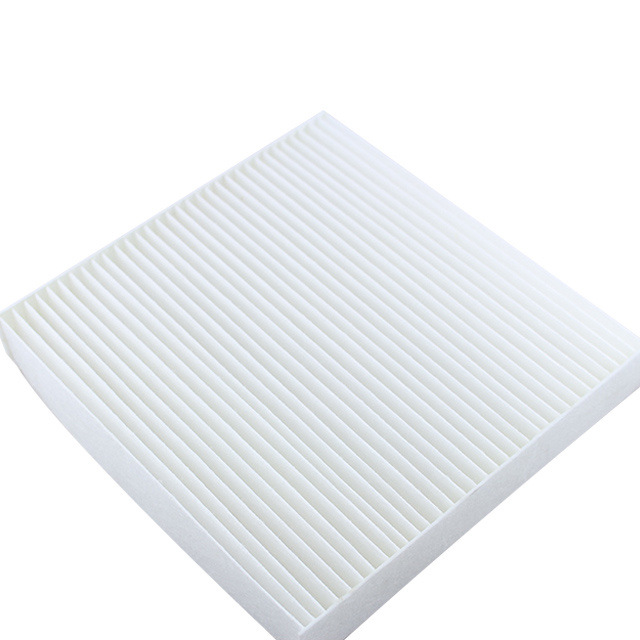
Offering better filtration, pleated filters consist of a cotton or polyester blend. They can trap smaller particles and last longer than fiberglass filters, making them a more effective option for improving indoor air quality.
HEPA Filters
High-Efficiency Particulate Air (HEPA) filters capture up to 99.97% of airborne particles, including allergens. While they provide excellent filtration, they may require specific modifications for your AC system to accommodate their thicker design.
Electrostatic Filters
These filters use static electricity to attract and trap particles. They are washable and reusable, making them a cost-effective choice for long-term use.
How Often Should You Replace Your AC Filter?
The frequency of filter replacement depends on several factors, including the filter type, household size, and local air quality. In general:
- **Fiberglass filters:** Replace every 30 days.
- **Pleated filters:** Every 90 days.
- **HEPA filters:** Every 6 to 12 months.
- **Electrostatic filters:** Clean every 1 to 3 months, depending on usage.
For households with pets or those that experience high pollen counts, more frequent changes may be necessary. **Regular checks and replacements will help maintain optimal air quality and system efficiency.**
Step-by-Step Guide to Replacing Your AC Filter
Follow these straightforward steps to replace your central AC unit filter like a pro:
Step 1: Turn Off Your AC Unit
For safety reasons, always begin by turning off your central AC unit. Locate the power switch or unplug the system to avoid any electrical mishaps while working.
Step 2: Locate the Filter Compartment
The filter is typically housed in the air handler or furnace. Look for a removable access panel or slot, often labeled for easy identification.
Step 3: Remove the Old Filter
Carefully slide out the old filter, taking note of the airflow direction indicated by arrows on the frame. **This information is crucial for installing the new filter correctly.**
Step 4: Inspect the Filter Compartment
Before inserting the new filter, check the compartment for dust and debris. A quick wipe can enhance performance and filtration efficiency.
Step 5: Insert the New Filter
Take your new filter and ensure it is oriented in the correct direction. Securely slide it back into the compartment, ensuring it fits snugly.
Step 6: Restore Power to the AC Unit
Once the new filter is in place, turn your AC unit back on. Listen for normal operational sounds, indicating everything is functioning correctly.
Step 7: Record the Date of Replacement
Keep track of when you replaced your filter, marking it on a calendar or setting a reminder on your phone to ensure timely future replacements.
Tools and Materials Needed for the Job
To successfully replace your AC filter, gather the following tools and materials:
- New air filter (appropriate size and type)
- Screwdriver (if needed to remove access panels)
- Vacuum or damp cloth (for cleaning the compartment)
- Pen and paper or a digital device for tracking replacement dates
Having these items ready will streamline the replacement process.
Common Mistakes to Avoid When Replacing Your AC Filter
To ensure a successful filter replacement, be aware of these common pitfalls:
Choosing the Wrong Size
Always double-check the filter size before purchasing. An ill-fitting filter can allow dust and debris to bypass filtration.
Ignoring Filter Orientation
Failure to install the filter in the correct airflow direction can hinder its effectiveness. Remember—arrows indicate the direction!
Neglecting Other Components
While changing your filter, take the opportunity to inspect other components of your HVAC system. Clean the coils and check for any visible wear or damage.
Forgetting to Schedule Regular Replacements
Set reminders to ensure you stay on top of filter replacements. A neglected filter can cause unnecessary strain on your AC system.
Tips for Choosing the Right AC Filter
Selecting the right filter can significantly impact your air quality and cooling efficiency. Consider these tips:
Check MERV Ratings
The Minimum Efficiency Reporting Value (MERV) rating indicates the filter's efficiency in trapping particles. A higher MERV rating means better filtration but can also restrict airflow if your system isn't designed for it.
Assess Your Household Needs
If you have pets or family members with allergies, opt for filters with higher filtration capabilities, such as HEPA or pleated filters.
Consider Budget and Longevity
Evaluate the initial cost versus long-term investment. Filters that last longer may save you money over time and require less frequent replacements.
Maintaining Your AC System for Optimal Performance
Beyond regular filter replacements, proper maintenance of your AC system is essential for performance and longevity.
Regularly Clean Coils and Condenser Units
Dust and debris can accumulate on the coils, reducing efficiency. Schedule regular cleanings to ensure optimal operation.
Check for Refrigerant Leaks
Monitor your system for any signs of refrigerant leaks. Low refrigerant levels can lead to system inefficiency and increased energy costs.
Schedule Professional Inspections
Consider having your HVAC system professionally inspected at least once a year. Experts can identify potential issues before they become major problems.
Frequently Asked Questions
What happens if I don’t change my AC filter?
Failing to change your AC filter can lead to poor air quality, reduced efficiency, and increased energy bills. It may also cause your system to overheat or break down.
Can I wash and reuse my AC filter?
Some filters, particularly electrostatic ones, are reusable. However, ensure they are suitable for washing, and follow the manufacturer’s instructions for cleaning.
What size filter do I need for my AC unit?
Check your old filter for size specifications, typically printed on the frame. If unavailable, measure the filter’s dimensions carefully.
How do I know when it’s time to replace my AC filter?
Monitor the condition of your filter regularly. If it appears dirty, discolored, or clogged, it’s time for a replacement. Additionally, consider replacing it based on the recommended timeline.
Can I replace my AC filter myself?
Yes, replacing your AC filter is a straightforward DIY task. Following the steps outlined in this guide will ensure a successful replacement.
Conclusion
Replacing your central AC unit filter is an essential maintenance task that can greatly enhance the efficiency of your HVAC system and improve indoor air quality. By following the steps and tips outlined in this guide, you can confidently tackle this DIY project like a pro. Keep in mind the types of filters available, their replacement frequency, and the importance of selecting the right filter for your household needs. Regular maintenance and timely replacements will not only save you money but also ensure your home remains a comfortable and healthy environment. Now, with the knowledge gained, take charge of your AC maintenance and enjoy cleaner air and a more efficient cooling system.
Key words:

* Please Enter Keywords
The company is mainly engaged in the manufacture and sale of auto parts and accessories in the automobile manufacturing industry, the manufacture and sale of automobile rubber products, and the import and export of auto parts.