

 Esperanto
 Shqiptare
 Euskara
 Zulu
Zulu
 Latinus
 Cymraeg
 தமிழ்
தமிழ்
 Slovak
 Slovak
 Afrikaans
Focus On Hot Spots

Contact Info
E-mail: txgs@taixifilter.com
Manager Xu: +86-15097925576
Manager Feng: +86-15803195413
Address: North side of Caiyuan Village, Gexianzhuang Town, Qinghe County, Xingtai City, Hebei Province (No. 250)
Maximizing Vehicle Comfort: The Importance of Automotive Air Conditioning Filters
Release Time:
Jan 27,2025
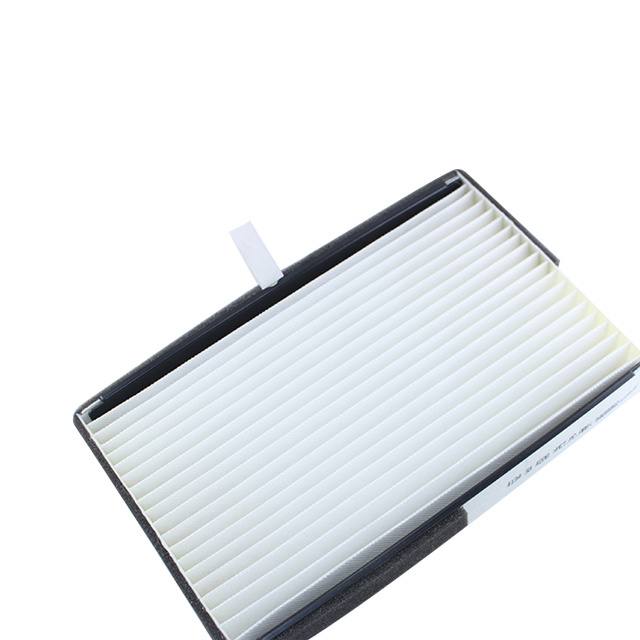
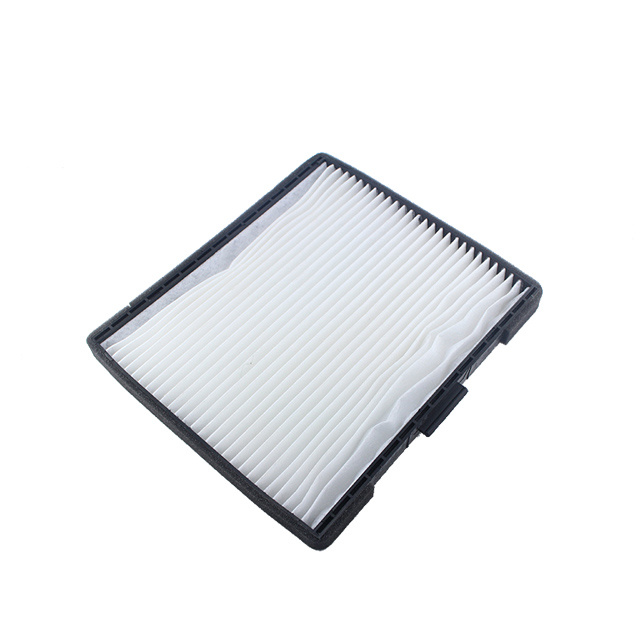
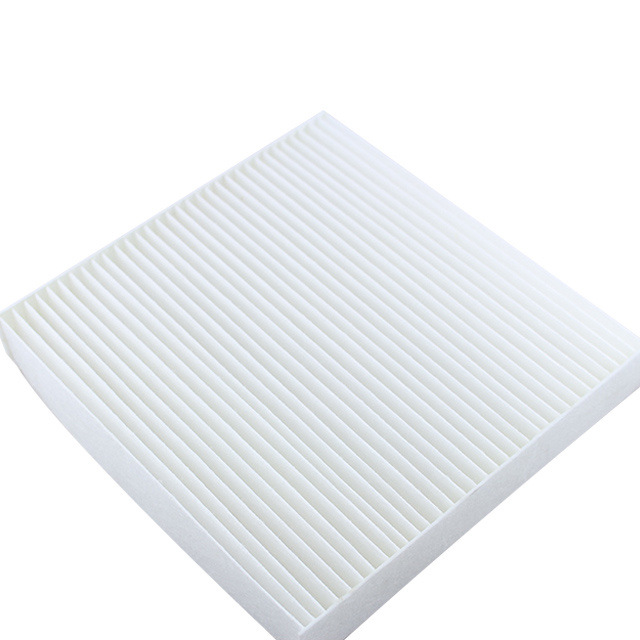
--- In the realm of automotive engineering, the air conditioning filter plays a pivotal role in ensuring cabin comfort and air quality. This component is designed to sift out dust, pollen, and other airborne particles from the air entering the vehicle's HVAC system. Understanding its significance is crucial for various industry professionals, including automotive engineers, maintenance personnel,
In the realm of automotive engineering, the air conditioning filter plays a pivotal role in ensuring cabin comfort and air quality. This component is designed to sift out dust, pollen, and other airborne particles from the air entering the vehicle's HVAC system. Understanding its significance is crucial for various industry professionals, including automotive engineers, maintenance personnel, and supply chain managers.
One of the primary functions of automotive air conditioning filters is to improve indoor air quality. Drivers and passengers are exposed to various pollutants, and a clean filter can substantially reduce allergens and harmful particles circulating within the vehicle. This is particularly important for individuals with allergies or respiratory conditions. Regular maintenance and timely replacement of these filters can ensure that the vehicle's cabin remains a comfortable and healthy environment.
Moreover, the condition of the air conditioning filter can directly impact the efficiency of the HVAC system. A clogged or dirty filter can hinder airflow, leading to increased energy consumption and reduced system performance. This inefficiency can cause the air conditioning system to work harder, potentially leading to premature wear and tear or even system failure. Consequently, understanding the signs that indicate a filter change is necessary—such as reduced airflow, unusual noises, or unpleasant odors—can save businesses from costly repairs and ensure optimal system performance.
When it comes to selecting the right automotive air conditioning filter, several factors should be considered. The filter's material, size, and filtration capacity are essential elements that can affect both performance and longevity. Professionals should be aware of the different types of filters available, including HEPA filters, which offer superior filtration capabilities. Compatibility with specific vehicle models is also imperative, as using the wrong filter can lead to inefficiencies and potential damage.
In addition to selecting an appropriate filter, establishing a regular maintenance schedule is key. Industry guidelines often recommend checking and replacing air conditioning filters every 12,000 to 15,000 miles, but this can vary based on driving conditions and filter type. For example, vehicles frequently driven in urban areas with higher pollution levels may require more frequent changes.
Ultimately, automotive air conditioning filters are integral not only to comfort but also to the overall efficiency and longevity of vehicle HVAC systems. For professionals in the industrial equipment and components sector, understanding these filters' critical role can enhance customer satisfaction and improve operational efficiency. By prioritizing the quality of air conditioning filters and adhering to maintenance best practices, businesses can better serve their clients and position themselves as leaders in the automotive industry.
Key words:

* Please Enter Keywords
The company is mainly engaged in the manufacture and sale of auto parts and accessories in the automobile manufacturing industry, the manufacture and sale of automobile rubber products, and the import and export of auto parts.