

 Esperanto
 Shqiptare
 Euskara
 Zulu
Zulu
 Latinus
 Cymraeg
 தமிழ்
தமிழ்
 Slovak
 Slovak
 Afrikaans
Focus On Hot Spots

Contact Info
E-mail: txgs@taixifilter.com
Manager Xu: +86-15097925576
Manager Feng: +86-15803195413
Address: North side of Caiyuan Village, Gexianzhuang Town, Qinghe County, Xingtai City, Hebei Province (No. 250)
The Environmental Impact of Neglecting Your Car's Fuel Oil Filter: A Comprehensive Analysis
Release Time:
Feb 05,2025
The Environmental Impact of Neglecting Your Car's Fuel Oil Filter Table of Contents 1. Understanding the Fuel Oil Filter: An Overview 2. The Role of the Fuel Oil Filter in Vehicle Performance 2.1 How Fuel Oil Filters Function 2.2 Signs of a Clogged Fuel Oil Filter 3. The Environmental Consequences of Neglecting Fuel Oil Filters 3.1 Increased Emissions and Pollution 3.2 Impact on Fuel Efficiency 4.
The Environmental Impact of Neglecting Your Car's Fuel Oil Filter
Table of Contents
1. Understanding the Fuel Oil Filter: An Overview
2. The Role of the Fuel Oil Filter in Vehicle Performance
2.1 How Fuel Oil Filters Function
2.2 Signs of a Clogged Fuel Oil Filter
3. The Environmental Consequences of Neglecting Fuel Oil Filters
3.1 Increased Emissions and Pollution
3.2 Impact on Fuel Efficiency
4. The Economic Cost of Ignoring Fuel Oil Filter Maintenance
5. Best Practices for Fuel Oil Filter Maintenance
5.1 Regular Inspection and Replacement
5.2 Choosing the Right Filter
6. The Future of Fuel Oil Filters and Environmental Technologies
7. FAQs About Fuel Oil Filters and Their Environmental Impact
8. Conclusion: The Importance of Proper Fuel Oil Filter Maintenance
1. Understanding the Fuel Oil Filter: An Overview
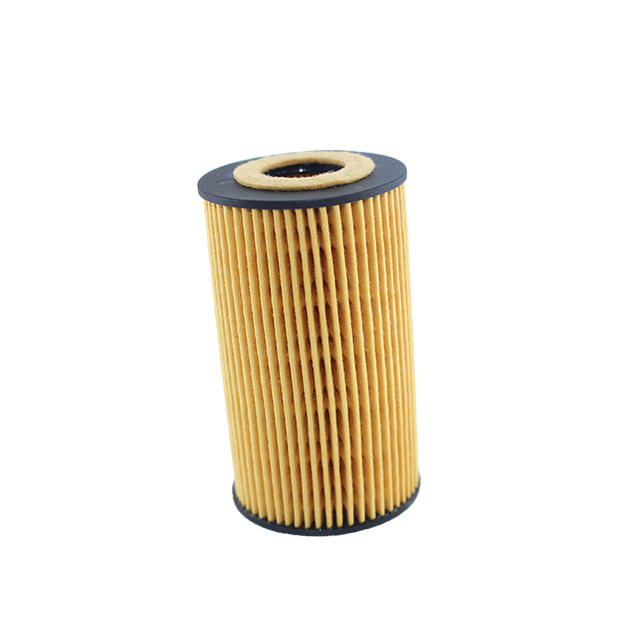
The fuel oil filter is a crucial component of your vehicle's fuel system. Its primary function is to trap contaminants present in the fuel before they reach the engine. These contaminants can include dirt, rust, and other particles that can cause significant damage to engine components. By ensuring a clean fuel supply, the filter aids in optimizing engine performance and longevity. A neglected fuel oil filter not only jeopardizes the efficiency of your vehicle but also poses serious environmental risks.
2. The Role of the Fuel Oil Filter in Vehicle Performance
The performance of a vehicle hinges on the integrity of its components, and the fuel oil filter plays a pivotal role.
2.1 How Fuel Oil Filters Function
Fuel oil filters operate by utilizing a filter medium that captures harmful debris from the fuel. As fuel flows from the tank to the engine, it passes through the filter, where contaminants are trapped. This process prevents these particles from entering the engine, which could lead to wear and tear or even catastrophic failure.
2.2 Signs of a Clogged Fuel Oil Filter
Recognizing the signs of a clogged fuel oil filter is vital for timely maintenance. Common indicators include:
- **Reduced engine performance**: If your vehicle struggles to accelerate or exhibits inconsistent power, a clogged filter may be to blame.
- **Engine misfires**: Inadequate fuel supply can lead to misfiring, impacting both performance and fuel efficiency.
- **Decreased fuel economy**: A poorly functioning filter can hinder fuel flow, causing your engine to consume more fuel than necessary.
3. The Environmental Consequences of Neglecting Fuel Oil Filters
Neglecting your car's fuel oil filter does not merely affect your vehicle; it has broader environmental implications that should not be overlooked.
3.1 Increased Emissions and Pollution
When the fuel oil filter becomes clogged, it can lead to incomplete combustion in the engine. Incomplete combustion produces higher levels of harmful emissions, including carbon monoxide (CO), nitrogen oxides (NOx), and particulate matter. These pollutants contribute to air quality degradation and can have severe health implications for those living in urban areas.
3.2 Impact on Fuel Efficiency
A clogged fuel filter can significantly reduce fuel efficiency, resulting in excessive fuel consumption. This increase in fuel use directly correlates with higher carbon emissions, exacerbating climate change. With rising fuel prices, inefficient fuel usage also impacts the economic aspect for drivers, creating a cycle of increased costs and environmental harm.
4. The Economic Cost of Ignoring Fuel Oil Filter Maintenance
The economic repercussions of neglecting fuel oil filter maintenance are twofold—direct costs associated with repairs and indirect costs tied to environmental impacts.
First, replacing a clogged filter is far less expensive than repairing or replacing engine components damaged by poor fuel quality. Regular maintenance can save drivers hundreds, if not thousands, of dollars in potential repairs.
Moreover, the environmental costs are staggering. Increased pollution leads to higher healthcare costs due to respiratory illnesses and other health issues linked to poor air quality. Society bears the burden of these costs, making it essential for every vehicle owner to prioritize fuel oil filter maintenance.
5. Best Practices for Fuel Oil Filter Maintenance
Adopting best practices for maintaining your fuel oil filter is crucial for both your vehicle's performance and the environment.
5.1 Regular Inspection and Replacement
We recommend replacing the fuel oil filter according to your vehicle manufacturer's guidelines, typically every 20,000 to 30,000 miles. Regular inspections can help identify any issues early on, allowing for timely interventions before more significant problems arise.
5.2 Choosing the Right Filter
Selecting a high-quality fuel oil filter is essential for optimal performance. We advise consulting a trusted mechanic or the vehicle's manufacturer to ensure you choose a filter that meets the necessary specifications.
6. The Future of Fuel Oil Filters and Environmental Technologies
As automotive technology continues to evolve, so do the innovations surrounding fuel oil filters. Advancements in filtration technology are making filters more efficient, reducing the environmental impact associated with internal combustion engines. The integration of hybrid and electric vehicles is another significant step toward minimizing reliance on traditional fuel systems and their associated pollution.
7. FAQs About Fuel Oil Filters and Their Environmental Impact
What is the primary function of a fuel oil filter?
The fuel oil filter's main function is to remove contaminants from the fuel before it reaches the engine, ensuring efficient combustion and protecting engine components.
How often should I replace my fuel oil filter?
Typically, it is recommended to replace your fuel oil filter every 20,000 to 30,000 miles, but always refer to your vehicle manufacturer’s guidelines for the best practices.
What happens if I neglect to replace my fuel oil filter?
Neglecting to replace your fuel oil filter can lead to clogged filters, reduced engine performance, increased emissions, and ultimately, expensive repairs.
Can a clogged fuel oil filter affect fuel economy?
Yes, a clogged fuel oil filter can significantly reduce fuel efficiency, leading to increased fuel consumption and higher emissions.
How can I tell if my fuel oil filter is clogged?
Common signs include reduced engine performance, misfires, and decreased fuel economy. If you notice any of these symptoms, it may be time to inspect or replace your fuel oil filter.
8. Conclusion: The Importance of Proper Fuel Oil Filter Maintenance
In conclusion, the **environmental impact of neglecting your car's fuel oil filter** is profound and multifaceted. Not only does it affect your vehicle's performance and longevity, but it also has wider implications for air quality and fuel efficiency, contributing to environmental degradation. By prioritizing regular maintenance and replacement of your fuel oil filter, we can ensure a cleaner, healthier planet while enjoying the benefits of a well-functioning vehicle. Taking these simple yet crucial steps can lead to significant improvements in both personal and environmental health, making it a responsibility we should all embrace.
Key words:

* Please Enter Keywords
The company is mainly engaged in the manufacture and sale of auto parts and accessories in the automobile manufacturing industry, the manufacture and sale of automobile rubber products, and the import and export of auto parts.