

 Esperanto
 Shqiptare
 Euskara
 Zulu
Zulu
 Latinus
 Cymraeg
 தமிழ்
தமிழ்
 Slovak
 Slovak
 Afrikaans
Focus On Hot Spots

Contact Info
E-mail: txgs@taixifilter.com
Manager Xu: +86-15097925576
Manager Feng: +86-15803195413
Address: North side of Caiyuan Village, Gexianzhuang Town, Qinghe County, Xingtai City, Hebei Province (No. 250)
Fuel Oil Filters: The Unsung Heroes of Vehicle Maintenance
Release Time:
Feb 07,2025
Fuel Oil Filters: The Unsung Heroes of Vehicle Maintenance Introduction to Fuel Oil Filters Fuel oil filters are often overlooked components in vehicle maintenance, yet they play a crucial role in ensuring the longevity and efficiency of your engine. By filtering out contaminants from fuel before it reaches the engine, these filters protect vital parts from damage and wear. This article will exp
Fuel Oil Filters: The Unsung Heroes of Vehicle Maintenance
Introduction to Fuel Oil Filters
Fuel oil filters are often overlooked components in vehicle maintenance, yet they play a crucial role in ensuring the longevity and efficiency of your engine. By filtering out contaminants from fuel before it reaches the engine, these filters protect vital parts from damage and wear. This article will explore the importance of fuel oil filters in vehicle maintenance, how they work, the various types available, installation processes, maintenance tips, and answers to common questions.
The Importance of Fuel Oil Filters in Vehicle Performance
In vehicles, fuel is the lifeblood that powers the engine. However, fuel can carry dirt, rust, and other impurities that could lead to severe engine issues. This is where fuel oil filters come into play. By effectively removing these contaminants, fuel oil filters help maintain optimal engine performance, enhance fuel efficiency, and extend the lifespan of the engine.
How Fuel Oil Filters Work
Fuel oil filters operate through a straightforward yet effective mechanism. They utilize a porous medium that allows fuel to flow through while trapping harmful particles. As fuel passes through the filter, contaminants are collected, preventing them from entering the engine. The filtration process occurs in stages, with different filter designs targeting specific types of impurities.
Key Functions of Fuel Oil Filters
1. **Contaminant Removal**: The primary function is to eliminate dirt, debris, and rust from the fuel.
2. **Preventing Engine Wear**: By filtering impurities, these filters help protect critical engine components from premature wear.
3. **Enhancing Fuel Efficiency**: Clean fuel promotes better combustion, leading to improved fuel efficiency.
4. **Maintaining Performance**: A clean fuel supply ensures that the engine runs smoothly, maintaining optimal performance.
Types of Fuel Oil Filters
Several types of fuel oil filters are available, each designed to address specific needs and applications. Understanding these options can help vehicle owners make informed decisions when selecting a filter.
1. Inline Fuel Filters
Inline fuel filters are commonly used in gasoline and diesel engines. They are installed directly in the fuel line and are designed to capture contaminants before they reach the fuel injectors.
2. Cartridge Filters
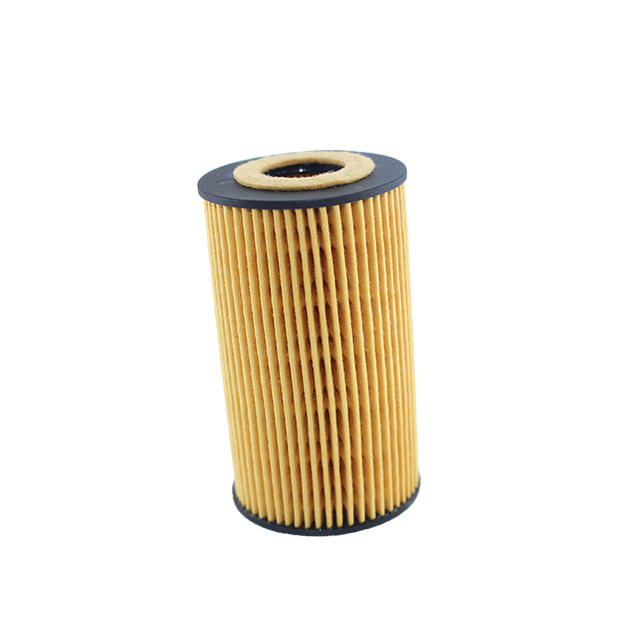
Cartridge filters are typically found in vehicles with more complex fuel systems. They are housed in a canister and are replaceable, allowing for easy maintenance.
3. Spin-On Filters
Spin-on filters are popular in both commercial and passenger vehicles. They feature a metal canister that can be easily spun off and replaced, making them a convenient option for routine maintenance.
4. Water Separator Filters
Water separator filters are essential for diesel engines, where the presence of water can lead to severe damage. These filters are designed to remove water from the fuel, ensuring only clean fuel enters the engine.
Installation of Fuel Oil Filters
Proper installation of fuel oil filters is crucial for their effective operation. Here’s a step-by-step guide to installing a new fuel oil filter.
Tools Required
- Wrench or socket set
- Fuel line pliers
- Clean rags
- Safety glasses
Step-by-Step Installation Process
1. **Safety First**: Before starting, ensure the vehicle is parked on a flat surface and the engine is cool.
2. **Locate the Filter**: Identify the fuel oil filter’s location; this may vary depending on the vehicle model.
3. **Disconnect Fuel Lines**: Using fuel line pliers, carefully disconnect the fuel lines from the old filter.
4. **Remove the Old Filter**: Unscrew the old filter and dispose of it properly.
5. **Prepare the New Filter**: Lubricate the rubber O-ring on the new filter with engine oil to ensure a proper seal.
6. **Install the New Filter**: Screw the new filter into place, ensuring it is secure but not overly tight.
7. **Reconnect Fuel Lines**: Reattach the fuel lines, ensuring they are snug and leak-free.
8. **Test**: Start the engine and check for leaks. If there are no leaks, the installation is complete.
Maintenance Tips for Fuel Oil Filters
Maintaining fuel oil filters can significantly enhance vehicle performance and longevity. Here are some essential tips for keeping your filters in optimal condition.
Regular Inspection
Inspect the fuel filter regularly for signs of wear or damage. Look for leaks, cracks, or corrosion, which can indicate a need for replacement.
Follow Manufacturer Recommendations
Always adhere to the manufacturer’s guidelines regarding filter replacement intervals. Typically, fuel oil filters should be replaced every 10,000 to 15,000 miles, but this can vary based on vehicle type and usage.
Use Quality Filters
Investing in high-quality filters is crucial. Cheap or substandard filters may not effectively remove contaminants, leading to engine problems.
Keep Fuel System Clean
Regularly cleaning the fuel system can help extend the life of your fuel oil filter. Consider using fuel additives designed to clean the fuel system and remove deposits.
Common Questions About Fuel Oil Filters
Below are some frequently asked questions about fuel oil filters and their maintenance.
1. How often should I replace my fuel oil filter?
Most vehicles require a fuel oil filter replacement every 10,000 to 15,000 miles. However, always refer to your vehicle's manual for specific recommendations.
2. What happens if I don’t replace my fuel oil filter?
Failing to replace a clogged fuel oil filter can lead to reduced engine performance, poor fuel efficiency, and potential engine damage.
3. Can I clean my fuel oil filter instead of replacing it?
While some filters can be cleaned, most modern filters are designed for single-use. It's generally more effective and safer to replace them.
4. How can I tell if my fuel oil filter is clogged?
Signs of a clogged filter include difficulty starting the engine, poor acceleration, and a noticeable drop in fuel efficiency.
5. Are there different filters for gasoline and diesel engines?
Yes, gasoline and diesel engines often require different types of fuel oil filters due to the differences in fuel composition and engine design.
Conclusion
Fuel oil filters are indeed the unsung heroes of vehicle maintenance, playing a crucial role in ensuring the engine runs efficiently and lasts longer. By understanding their importance, types, installation processes, and maintenance tips, vehicle owners can take proactive steps to protect their engines. Investing in quality fuel oil filters and adhering to best practices for maintenance will pay off in the long run, delivering smoother rides and saving on costly repairs. Taking care of your fuel oil filter is not just about maintaining your vehicle; it's about enhancing your driving experience and ensuring your engine operates at peak performance.
Key words:

* Please Enter Keywords
The company is mainly engaged in the manufacture and sale of auto parts and accessories in the automobile manufacturing industry, the manufacture and sale of automobile rubber products, and the import and export of auto parts.