

 Esperanto
 Shqiptare
 Euskara
 Zulu
Zulu
 Latinus
 Cymraeg
 தமிழ்
தமிழ்
 Slovak
 Slovak
 Afrikaans
Focus On Hot Spots
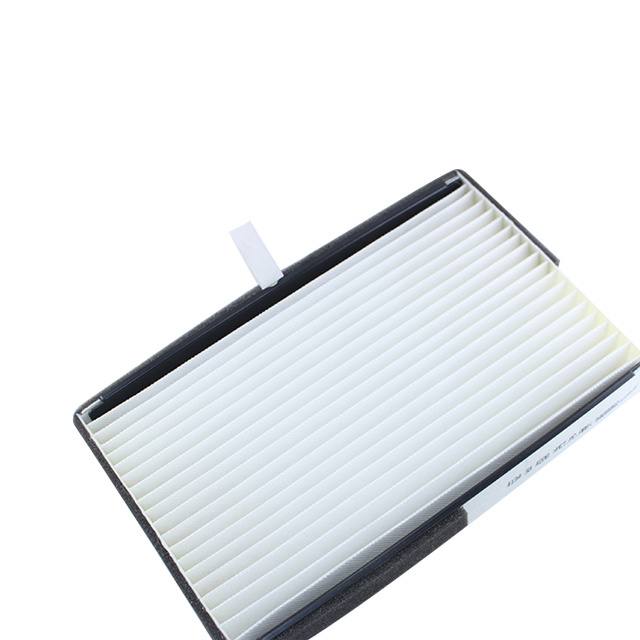
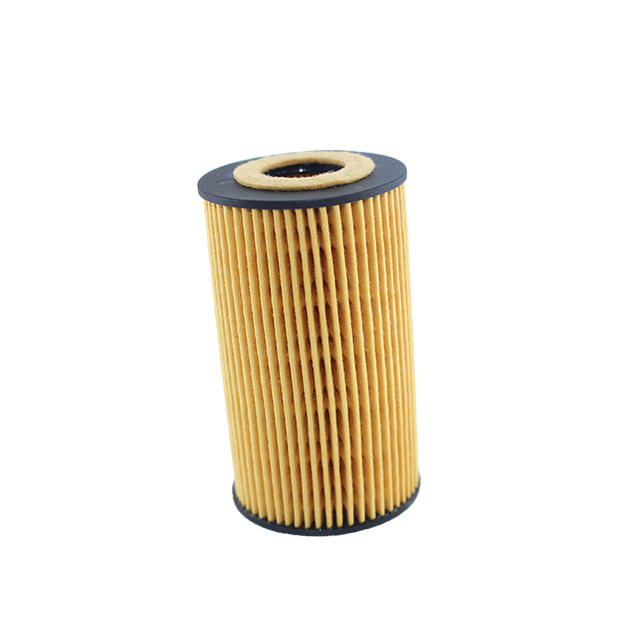
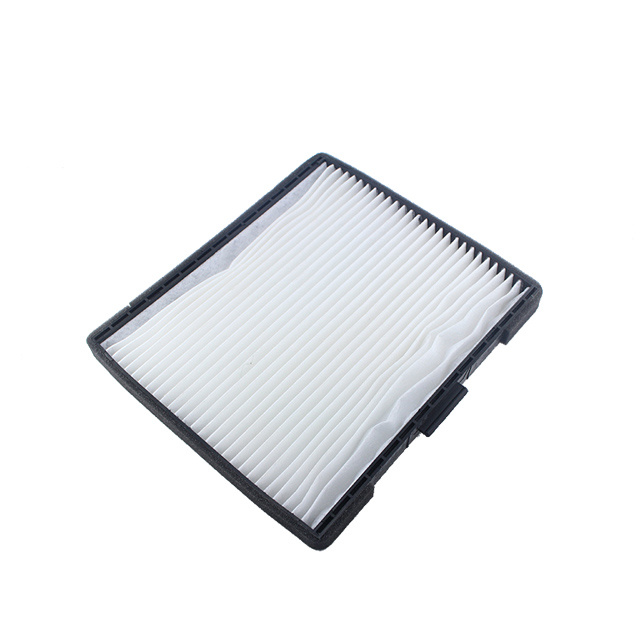
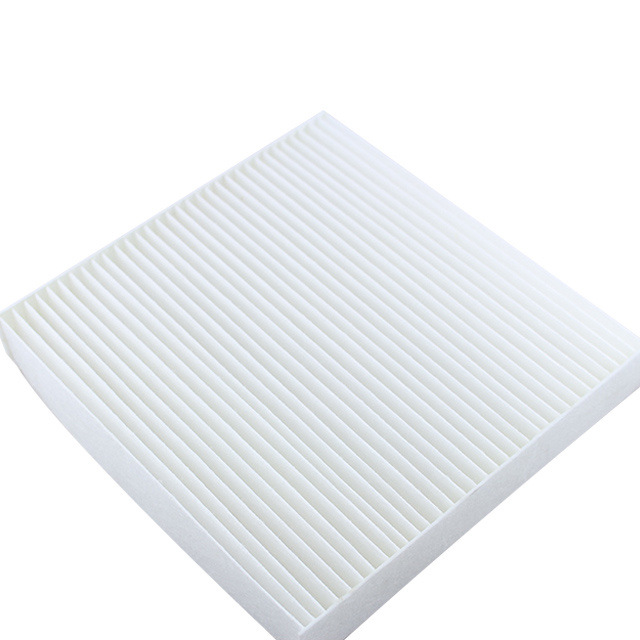
Contact Info
E-mail: txgs@taixifilter.com
Manager Xu: +86-15097925576
Manager Feng: +86-15803195413
Address: North side of Caiyuan Village, Gexianzhuang Town, Qinghe County, Xingtai City, Hebei Province (No. 250)
Understanding Filters in Central Air Units: Enhancing Air Quality and Efficiency
Release Time:
Feb 10,2025
When it comes to central air units, filters play a crucial role in maintaining indoor air quality and ensuring the efficient operation of the system. Understanding the functionality and types of filters can help professionals in the industrial equipment sector make informed decisions regarding air filtration solutions. Filters in central air units are designed to trap dust, allergens, and other pa
Filters in central air units are designed to trap dust, allergens, and other particulate matter from the air before it circulates throughout the space. This is essential not only for enhancing air quality but also for protecting the HVAC system from debris buildup that can lead to inefficiencies or breakdowns. A properly functioning filter can significantly reduce the amount of airborne contaminants, providing a healthier environment for occupants.
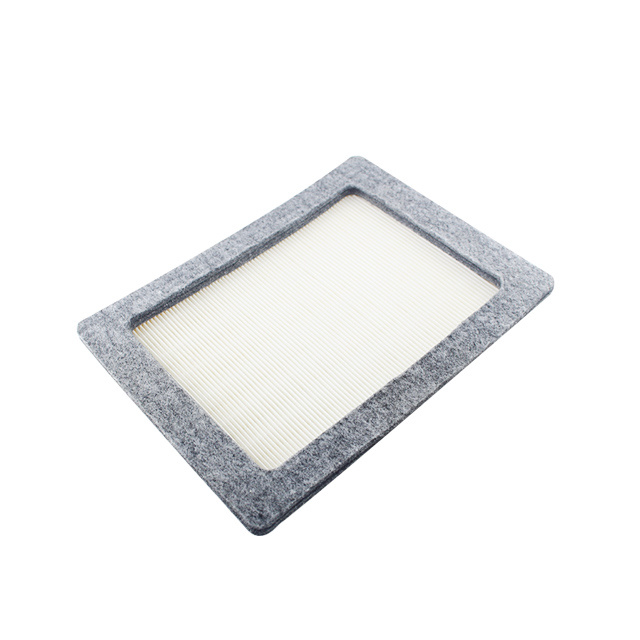
There are several types of filters used in central air units, each with distinct features. The most common include fiberglass filters, pleated filters, and HEPA filters. Fiberglass filters are inexpensive and effective for basic dust filtration, while pleated filters offer a higher surface area, improving their dust-holding capacity and efficiency. HEPA filters, on the other hand, are designed to trap very small particles and are ideal for environments where air quality is of utmost importance, such as hospitals or laboratories.
Regular maintenance of filters is critical to ensure optimal performance. It is recommended that filters be checked monthly and replaced or cleaned as necessary, typically every 1 to 3 months, depending on usage and the type of filter installed. Neglecting filter maintenance can lead to a buildup of dirt and debris, which can restrict airflow, reduce efficiency, and increase energy consumption. In severe cases, clogged filters can even cause the system to overheat and fail.
Another key aspect to consider is the filter's MERV rating (Minimum Efficiency Reporting Value), which measures the filter's ability to capture particles of varying sizes. Filters with higher MERV ratings are more efficient at trapping smaller particles, but it's important to choose a filter compatible with your specific central air unit. Using a filter with too high of a MERV rating can restrict airflow and strain the system.
Incorporating high-quality filters in central air units not only enhances air quality but can also lead to lower energy costs and extended equipment lifespan. By investing in the right filtration solutions and adhering to proper maintenance schedules, professionals can ensure that their HVAC systems operate at peak efficiency while promoting a healthier indoor environment.
Understanding the role of filters in central air units is essential for anyone involved in the industrial equipment and components sector, especially when it comes to filtration devices and systems.
Key words:

* Please Enter Keywords
The company is mainly engaged in the manufacture and sale of auto parts and accessories in the automobile manufacturing industry, the manufacture and sale of automobile rubber products, and the import and export of auto parts.