

 Esperanto
 Shqiptare
 Euskara
 Zulu
Zulu
 Latinus
 Cymraeg
 தமிழ்
தமிழ்
 Slovak
 Slovak
 Afrikaans
Focus On Hot Spots
Contact Info
E-mail: txgs@taixifilter.com
Manager Xu: +86-15097925576
Manager Feng: +86-15803195413
Address: North side of Caiyuan Village, Gexianzhuang Town, Qinghe County, Xingtai City, Hebei Province (No. 250)
The Ultimate Guide to Home Air Conditioner Air Filters: Enhance Your Air Quality
Release Time:
Feb 13,2025
The Ultimate Guide to Home Air Conditioner Air Filters In today’s world, where air quality significantly impacts our health and well-being, understanding the importance of air filters in home air conditioners is crucial. Air filters are more than just a component of HVAC systems; they play a vital role in maintaining clean indoor air by trapping dust, allergens, and other pollutants. This ultimate
The Ultimate Guide to Home Air Conditioner Air Filters
In today’s world, where air quality significantly impacts our health and well-being, understanding the importance of air filters in home air conditioners is crucial. Air filters are more than just a component of HVAC systems; they play a vital role in maintaining clean indoor air by trapping dust, allergens, and other pollutants. This ultimate guide will explore everything you need to know about air filters for your air conditioning system, from types and selection criteria to maintenance and replacement.
Table of Contents
- Understanding Air Filters in HVAC Systems
- Types of Air Filters for Home Air Conditioners
- MERV Ratings: What You Need to Know
- Choosing the Right Air Filter for Your Home
- Maintaining Your Air Conditioner Air Filter
- When to Replace Your Air Filters
- Common Myths About Air Filters
- Frequently Asked Questions
Understanding Air Filters in HVAC Systems
Air filters are essential components of heating, ventilation, and air conditioning (HVAC) systems. They function by capturing airborne particles, including dust, pollen, smoke, and pet dander. This filtration process not only improves indoor air quality but also protects the HVAC unit from potential damage caused by debris. In essence, a good air filter contributes to better health, increased comfort, and improved efficiency of your air conditioning system.
Types of Air Filters for Home Air Conditioners
There are several types of air filters available for home air conditioning systems. Understanding these options can help you make an informed choice.
1. Fiberglass Filters
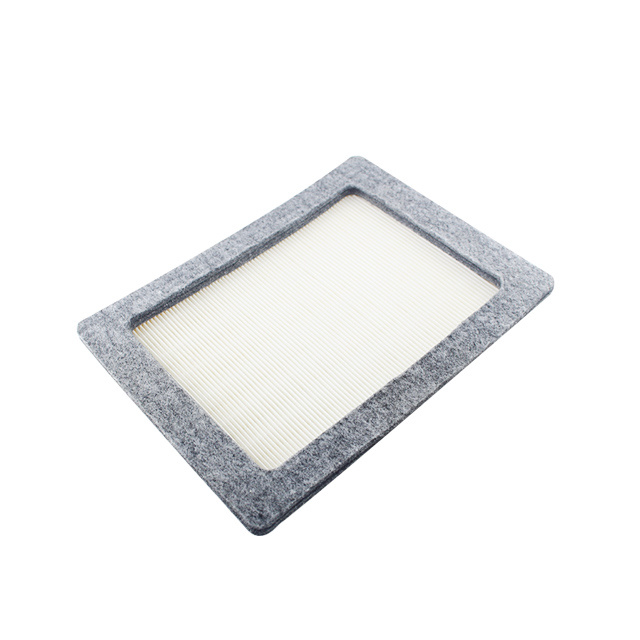
Fiberglass filters are the most common and affordable option. They consist of layered fiberglass strands that trap larger particles but allow smaller particles to pass through. While they are easy to replace, their efficiency is relatively low, making them suitable primarily for basic dust control.
2. Pleated Filters
Pleated filters offer a larger surface area for particle capture, thus increasing their efficiency. They are available in various MERV ratings, making them suitable for different needs. Their design allows for better airflow while effectively filtering allergens, dust, and pet dander.
3. HEPA Filters
High-Efficiency Particulate Air (HEPA) filters are among the most effective air filters available, trapping up to 99.97% of particles as small as 0.3 microns. These filters are ideal for individuals with allergies or respiratory issues. However, it is important to ensure that your HVAC system is compatible with HEPA filters, as their density may restrict airflow if improperly installed.
4. Electrostatic Filters
Electrostatic filters use an electrostatic charge to attract dust and particles. They can be washable or disposable and are highly effective at capturing small particles. Their unique design can result in lower energy costs due to improved airflow.
5. Activated Carbon Filters
Activated carbon filters excel at removing odors and volatile organic compounds (VOCs) from the air. These filters work by adsorbing contaminants on their surface, making them ideal for homes with pets or cooking odors.
MERV Ratings: What You Need to Know
MERV, or Minimum Efficiency Reporting Value, is a scale used to rate the effectiveness of air filters. Ranging from 1 to 16, this rating helps consumers understand the air filter's ability to capture particles of varying sizes. Here’s a brief overview:
MERV 1-4: Basic Filters
These filters are suitable for basic dust control, capturing large particles but failing to trap smaller allergens.
MERV 5-8: Better Filtration
These filters can capture pollen, dust mites, and pet dander, making them suitable for average households.
MERV 9-12: High-Quality Filters
These filters provide excellent filtration for allergens and fine dust, ideal for homes with allergy sufferers.
MERV 13-16: Superior Filtration
These filters are highly effective at removing small particles, including smoke and bacteria. HEPA filters typically fall within this range.
Choosing the Right Air Filter for Your Home
Choosing the right air filter depends on several factors, including your home’s environment, the presence of allergens, and your HVAC system’s compatibility.
1. Assess Your Needs
Consider the specific air quality challenges you face at home. If you or your family members have allergies, you may want to opt for a filter with a higher MERV rating.
2. Check Your HVAC System Compatibility
Before purchasing an air filter, consult your HVAC system's manual to determine the recommended filter type and size. Using an incompatible filter can lead to airflow issues and system damage.
3. Consider Budget and Longevity
Higher-quality filters often come with a higher price tag, but they can also last longer and provide better filtration. Weigh the initial cost against potential long-term savings in energy efficiency and health benefits.
Maintaining Your Air Conditioner Air Filter
Proper maintenance of your air filters ensures optimal performance and extends the life of your HVAC system. Here are some essential maintenance tips:
1. Regular Inspection
Inspect your air filters at least once a month, especially during peak usage seasons. Look for visible dirt and debris buildup that may indicate it’s time for a replacement.
2. Cleaning Washable Filters
If you have washable filters, clean them regularly according to the manufacturer’s instructions. Typically, rinsing with water and allowing them to dry completely before reinstallation is sufficient.
3. Set a Replacement Schedule
For disposable filters, establish a replacement schedule based on your environment and filter type. Generally, filters should be replaced every 1 to 3 months, but consult your specific product guidelines.
When to Replace Your Air Filters
Knowing when to replace your air filters keeps your HVAC system running efficiently. Look out for these signs:
1. Reduced Airflow
If you notice a decrease in airflow from your vents, it may indicate that your filter is clogged and requires replacement.
2. Increased Energy Bills
A sudden spike in your energy bills could result from your air conditioning unit working harder due to a dirty filter.
3. Allergies and Respiratory Issues
Experiencing increased allergy symptoms or respiratory problems could signal that your air filter is no longer effective.
Common Myths About Air Filters
Several myths can mislead homeowners regarding air filters. Here are some common misconceptions:
1. All Filters Are the Same
This is not true. Different filters offer various levels of filtration effectiveness, and selecting the appropriate one is crucial for your specific needs.
2. Higher MERV Ratings Are Always Better
While higher MERV ratings indicate better filtration, they may also restrict airflow in some HVAC systems. It’s essential to balance filtration efficiency with compatibility.
3. You Only Need to Replace Filters Annually
This myth can lead to poor air quality. Regular inspections and timely replacements are key to maintaining optimal performance.
Frequently Asked Questions
1. How often should I change my air conditioner’s air filter?
Generally, you should replace your air filter every 1 to 3 months, but this can vary based on usage, the type of filter, and environmental factors.
2. Can I clean my disposable air filter?
Disposable filters are designed for single use. While some homeowners may rinse them, it is often more effective and healthier to replace them entirely.
3. Do air filters really improve air quality?
Yes, air filters significantly improve indoor air quality by capturing dust, allergens, and other pollutants.
4. What is the difference between a HEPA filter and a regular filter?
HEPA filters capture at least 99.97% of particles that are 0.3 microns or larger, while regular filters typically have a lower efficiency rate.
5. Can a dirty filter affect my air conditioning unit?
Yes, a dirty filter can restrict airflow, causing your AC unit to work harder and potentially leading to premature wear or system failure.
Conclusion
Understanding the different types of air filters, their ratings, and proper maintenance is essential for ensuring your air conditioning system operates efficiently and maintains healthy indoor air quality. By choosing the right air filter and adhering to a consistent maintenance schedule, homeowners can significantly enhance their living environment. With this ultimate guide, you are now equipped with the knowledge to make informed decisions about air filters for your home, ensuring a safer, healthier atmosphere for you and your family.
Key words:

* Please Enter Keywords
The company is mainly engaged in the manufacture and sale of auto parts and accessories in the automobile manufacturing industry, the manufacture and sale of automobile rubber products, and the import and export of auto parts.