

 Esperanto
 Shqiptare
 Euskara
 Zulu
Zulu
 Latinus
 Cymraeg
 தமிழ்
தமிழ்
 Slovak
 Slovak
 Afrikaans
Focus On Hot Spots

Contact Info
E-mail: txgs@taixifilter.com
Manager Xu: +86-15097925576
Manager Feng: +86-15803195413
Address: North side of Caiyuan Village, Gexianzhuang Town, Qinghe County, Xingtai City, Hebei Province (No. 250)
Understanding the Importance of Air Conditioner Air Filters in Industrial Settings
Release Time:
Feb 18,2025
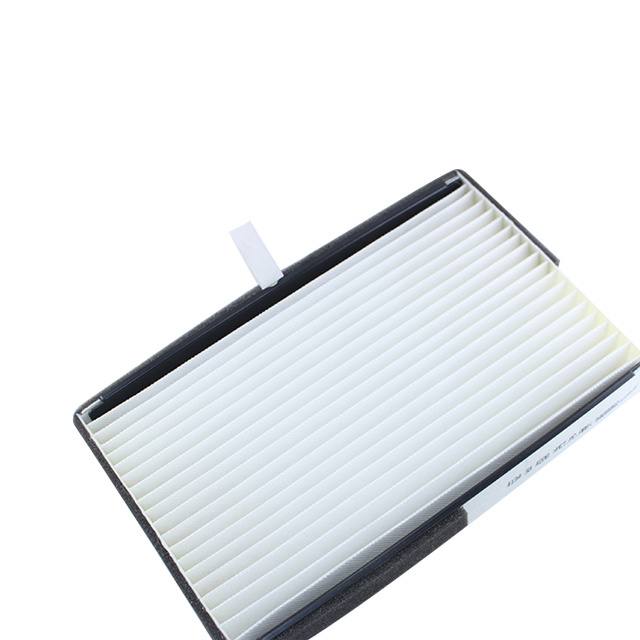
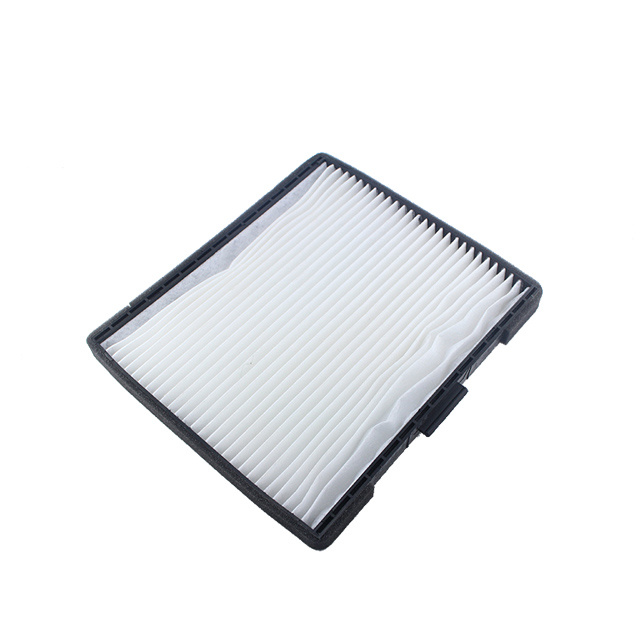
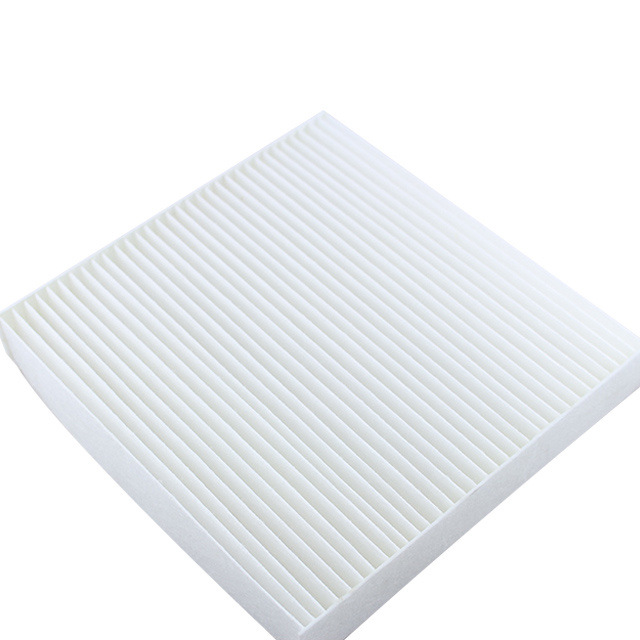
Air conditioning systems are essential in industrial settings, ensuring optimal working conditions by regulating temperature and humidity. A vital component of these systems is the air conditioner air filter. Understanding the importance of these filters can help organizations improve air quality, enhance equipment longevity, and ultimately boost productivity. Air conditioner air filters serve a f
Air conditioner air filters serve a fundamental purpose: they trap dust, dirt, allergens, and other airborne particles, preventing them from circulating through the air conditioning system and entering the workspace. This filtration is especially crucial in industrial environments where airborne contaminants can significantly impact both employee health and equipment performance. Regularly replacing or cleaning these filters is essential to maintain air quality and ensure efficient system operation.
One of the primary benefits of using quality air conditioner air filters is the enhancement of air quality. Industrial facilities often have higher levels of pollutants due to machinery operations and material handling. Poor air quality can lead to respiratory issues among workers, resulting in increased absenteeism and decreased productivity. By investing in effective air filters, companies can create a healthier work environment and comply with occupational safety standards.
In addition to health benefits, clean air conditioner air filters contribute to the longevity of the overall HVAC system. When filters become clogged with contaminants, the air conditioning system has to work harder to circulate air. This additional strain can lead to increased energy consumption and elevated wear and tear on components, ultimately resulting in costly repairs or replacements. Regular maintenance and timely filter changes can mitigate these risks, ensuring that the system operates efficiently and extends its lifespan.
Moreover, the selection of the right air conditioner air filter is crucial. Filters come in various types, such as HEPA, pleated, and electrostatic options, each designed for specific applications and levels of filtration efficiency. Understanding the unique needs of your industrial facility—such as the types of pollutants present and the desired air quality level—can guide the selection process. For instance, in environments with high levels of fine dust or chemical fumes, a higher efficiency filter may be necessary to ensure adequate protection.
In conclusion, air conditioner air filters are an integral part of maintaining air quality and system efficiency in industrial settings. By prioritizing the selection, maintenance, and timely replacement of these filters, organizations can create a safer and more productive work environment. Regular monitoring and proper management of air filters not only enhance health and comfort for employees but also protect valuable equipment from premature failure, resulting in cost savings over time. Investing in air conditioner air filters is a proactive step that supports the overall efficiency and well-being of any industrial operation.
Key words:

* Please Enter Keywords
The company is mainly engaged in the manufacture and sale of auto parts and accessories in the automobile manufacturing industry, the manufacture and sale of automobile rubber products, and the import and export of auto parts.