

 Esperanto
 Shqiptare
 Euskara
 Zulu
Zulu
 Latinus
 Cymraeg
 தமிழ்
தமிழ்
 Slovak
 Slovak
 Afrikaans
Focus On Hot Spots
Contact Info
E-mail: txgs@taixifilter.com
Manager Xu: +86-15097925576
Manager Feng: +86-15803195413
Address: North side of Caiyuan Village, Gexianzhuang Town, Qinghe County, Xingtai City, Hebei Province (No. 250)
Understanding Different Types of Air Conditioner Air Filters: A Comprehensive Guide for Optimal Indoor Air Quality
Release Time:
Feb 19,2025
Understanding Different Types of Air Conditioner Air Filters Introduction to Air Conditioner Air Filters Air conditioner air filters play a crucial role in maintaining indoor air quality and ensuring the efficient operation of HVAC systems. They capture dust, allergens, and other particles, preventing them from circulating throughout your living space. In this comprehensive guide, we will explore
Understanding Different Types of Air Conditioner Air Filters
Introduction to Air Conditioner Air Filters
Air conditioner air filters play a crucial role in maintaining indoor air quality and ensuring the efficient operation of HVAC systems. They capture dust, allergens, and other particles, preventing them from circulating throughout your living space. In this comprehensive guide, we will explore the various types of air filters available, their unique features, and how to choose the right one for your air conditioning system.
Why Air Filters Matter
The importance of air filters cannot be overstated. They help to:
- **Improve Indoor Air Quality**: Effective air filters reduce airborne pollutants, leading to healthier living environments.
- **Enhance HVAC Efficiency**: Clean filters allow air to flow freely, reducing the workload on your heating and cooling system, which can lower energy bills.
- **Extend Equipment Life**: Regularly changing or cleaning air filters can prolong the lifespan of your HVAC system.
Types of Air Conditioner Air Filters
Understanding the various types of air conditioner air filters can help you make an informed choice. Here are the most common types:
1. Fiberglass Air Filters
Fiberglass filters are one of the most affordable options available. They consist of layers of fiberglass strands and are designed to capture larger particles like dust and lint. However, their filtration efficiency is low, often capturing only about 10% of airborne particles. This type is ideal for those on a budget but may require more frequent changes.
2. Pleated Air Filters
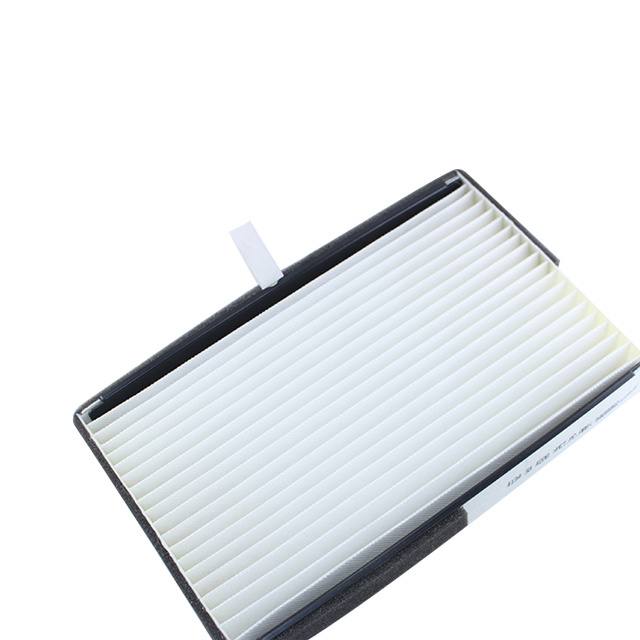
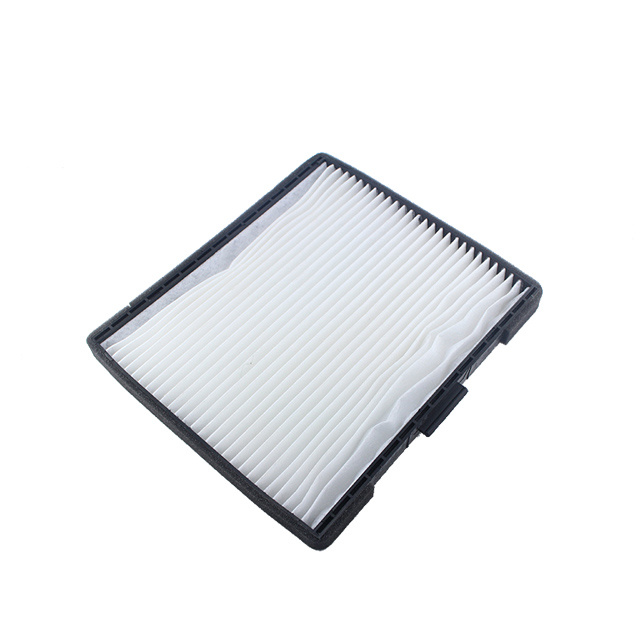
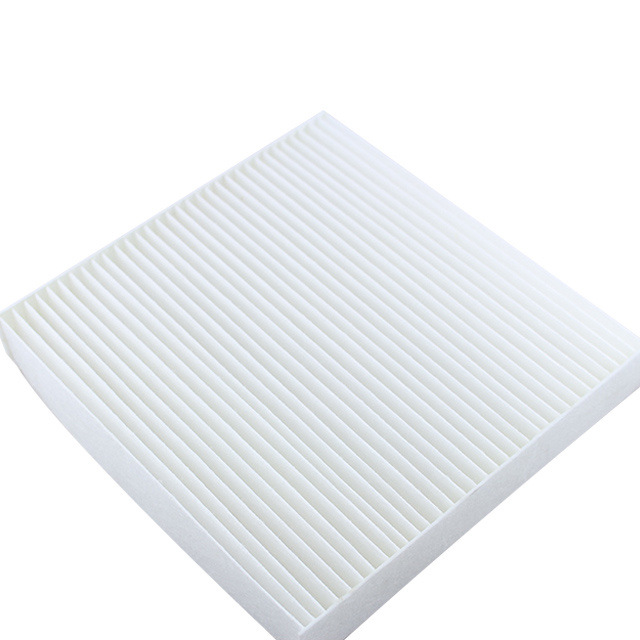
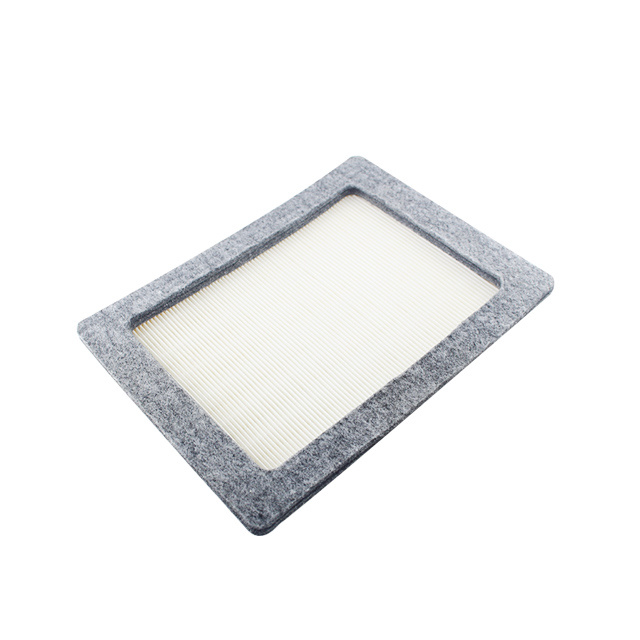
Pleated air filters are made from polyester or cotton paper that is folded into pleats. This design increases the surface area, allowing them to capture more particles than fiberglass filters. They can trap smaller particles, such as pollen and pet dander, making them a better choice for allergy sufferers. Pleated filters typically have a MERV rating (Minimum Efficiency Reporting Value) of 8 to 13, which indicates their effectiveness.
3. HEPA Filters
High-Efficiency Particulate Air (HEPA) filters are designed to capture at least 99.97% of particles that are 0.3 microns or larger. These filters are highly effective at trapping allergens, dust, and even some bacteria and viruses. While HEPA filters are more expensive than fiberglass and pleated filters, they provide superior air quality. However, they may require a more powerful HVAC system to maintain airflow.
4. Electrostatic Filters
Electrostatic filters use static electricity to attract and trap particles. These filters can be either disposable or washable, making them a versatile choice. They are effective at capturing a wide range of contaminants and often have a MERV rating between 4 and 12. Regular cleaning or replacement is necessary to maintain their effectiveness.
5. Activated Carbon Filters
Activated carbon filters are designed to absorb odors and volatile organic compounds (VOCs). They contain granules of activated carbon that trap gases and smells, making them ideal for households with pets or cooking odors. Although they are not primarily designed for particle filtration, they can be used in conjunction with other filters for improved air quality.
6. UV Filters
Ultraviolet (UV) filters use UV light to kill bacteria, viruses, and mold spores in the air. They are often installed in HVAC systems to work alongside traditional air filters. While they do not capture particulate matter, they significantly improve indoor air quality by eliminating harmful microorganisms.
Choosing the Right Air Filter for Your Needs
Selecting the appropriate air filter for your air conditioning system requires consideration of several factors:
1. MERV Rating
The MERV rating is a crucial factor in determining the efficiency of an air filter. Generally, a higher MERV rating indicates better filtration. However, ensure that your HVAC system can handle the increased airflow resistance that comes with higher-rated filters.
2. Allergies and Sensitivities
If you or your family members suffer from allergies or sensitivities, investing in HEPA or pleated filters can significantly improve your indoor air quality by capturing smaller allergens.
3. Pets and Odors
For households with pets, consider using a combination of pleated and activated carbon filters to effectively capture pet dander and odors.
4. Maintenance and Replacement
Consider the maintenance requirements of each filter type. Some filters require regular cleaning, while others need to be replaced every few months. Choose a filter that fits your lifestyle and maintenance preferences.
Best Practices for Air Filter Maintenance
Proper maintenance of your air filters is vital for optimal performance. Here are some best practices:
1. Regular Inspection
Check your air filters monthly, especially during peak heating and cooling seasons. Look for visible dirt and debris accumulation.
2. Change Filters on Time
Follow the manufacturer’s recommendations for filter replacement or cleaning. Generally, disposable filters should be replaced every 1 to 3 months, while washable filters can be cleaned every month or as needed.
3. Keep Filter Area Clean
Ensure that the area around your air filter is free from dust and debris. This helps maintain good airflow and improves filter efficiency.
Common FAQs About Air Conditioner Air Filters
1. How often should I change my air conditioner filter?
Typically, filters should be changed every 1 to 3 months, but this can vary based on your HVAC system, filter type, and environmental factors.
2. Can I wash my pleated air filter?
Most pleated filters are not designed to be washed. Check the manufacturer’s instructions to determine if your specific filter can be cleaned.
3. What is the difference between HEPA and regular filters?
HEPA filters are designed to capture at least 99.97% of particles, while regular filters, like fiberglass ones, only capture larger particles and have lower efficiency ratings.
4. Are higher MERV-rated filters always better?
While higher MERV-rated filters offer better filtration, they can restrict airflow in some HVAC systems. Always check compatibility with your system before upgrading.
5. Do UV filters require maintenance?
Yes, UV filters typically require bulb replacements every 12 months to maintain effectiveness in killing airborne pathogens.
Conclusion
Understanding the different types of air conditioner air filters is essential for maintaining optimal indoor air quality and enhancing the efficiency of your HVAC system. By choosing the right filter based on your specific needs and regularly maintaining it, you can ensure a healthier home environment. Don't compromise on air quality; invest in a filter that meets your requirements and enjoy cleaner, fresher air year-round.
Key words:

* Please Enter Keywords
The company is mainly engaged in the manufacture and sale of auto parts and accessories in the automobile manufacturing industry, the manufacture and sale of automobile rubber products, and the import and export of auto parts.