

 Esperanto
 Shqiptare
 Euskara
 Zulu
Zulu
 Latinus
 Cymraeg
 தமிழ்
தமிழ்
 Slovak
 Slovak
 Afrikaans
Focus On Hot Spots
Contact Info
E-mail: txgs@taixifilter.com
Manager Xu: +86-15097925576
Manager Feng: +86-15803195413
Address: North side of Caiyuan Village, Gexianzhuang Town, Qinghe County, Xingtai City, Hebei Province (No. 250)
How to Extend the Life of Your Central AC with Proper Air Filter Care
Release Time:
Feb 21,2025
How to Extend the Life of Your Central AC with Proper Air Filter Care Table of Contents Understanding Central AC Systems The Importance of Air Filters in Central AC Different Types of Air Filters Signs Your Air Filter Needs Replacement How Often Should You Change Your Air Filters? Steps for Maintaining Your Air Filters Additional Tips for Extending Your AC's Lifespan
How to Extend the Life of Your Central AC with Proper Air Filter Care
Table of Contents
- Understanding Central AC Systems
- The Importance of Air Filters in Central AC
- Different Types of Air Filters
- Signs Your Air Filter Needs Replacement
- How Often Should You Change Your Air Filters?
- Steps for Maintaining Your Air Filters
- Additional Tips for Extending Your AC's Lifespan
- Frequently Asked Questions
Understanding Central AC Systems
Central air conditioning systems are essential for maintaining a comfortable indoor climate, especially during peak summer months. These systems utilize a network of ducts to distribute cooled air throughout your home. Understanding their components, including the air handler, compressor, and evaporator coil, can help you appreciate how integral air filters are to their operation.
Air filters play a crucial role in protecting the internal components of your AC system by trapping dust, allergens, and debris before they enter the unit. Neglecting air filter maintenance can lead to reduced efficiency, higher energy bills, and a shortened lifespan of your central AC system.
The Importance of Air Filters in Central AC
Air filters are often overlooked, yet they are vital for ensuring your central AC operates efficiently. Here’s why proper air filter care is essential:
1. **Improved Air Quality:** Clean air filters help remove pollutants and allergens from the air, leading to healthier indoor environments.
2. **Enhanced Efficiency:** Clogged or dirty filters force your AC system to work harder, leading to increased energy consumption and costs.
3. **Extended Equipment Life:** Regularly changing and maintaining air filters can significantly extend the lifespan of your AC unit, saving you money on premature replacements.
4. **Consistent Temperature Control:** Efficient air filters ensure consistent airflow, resulting in more reliable temperature management throughout your home.
Different Types of Air Filters
There are several types of air filters available for central AC systems, each with unique features and benefits:
1. Fiberglass Filters
Fiberglass filters are the most common and economical options. They trap larger particles and require frequent changes, typically every month.
2. Pleated Filters
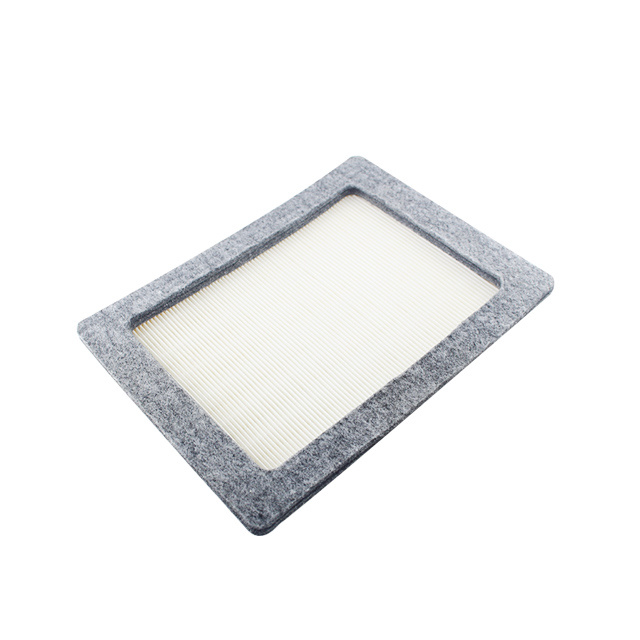
Pleated filters offer better filtration than fiberglass ones. Their design increases surface area, capturing more dust and allergens. They typically last three months.
3. HEPA Filters
High-Efficiency Particulate Air (HEPA) filters are the gold standard in air filtration, filtering out 99.97% of particles. They are ideal for homes with allergies but may require modifications to your AC system.
4. Electrostatic Filters
These filters use electric charges to attract and capture particles. They are reusable and eco-friendly, making them a popular choice.
5. UV Filters
UV filters utilize ultraviolet light to eliminate bacteria and viruses. They are often used in conjunction with other filters for optimal air quality.
Signs Your Air Filter Needs Replacement
Recognizing when your air filter needs changing is critical for maintaining your AC's performance. Here are some common signs:
1. Reduced Airflow
If you notice weaker air blowing from your vents, it may indicate a clogged filter restricting airflow.
2. Increased Energy Bills
A sudden spike in your energy bill can signal that your AC is working harder due to a dirty filter.
3. Dust Accumulation
If you see more dust settling around your home, a dirty filter may not be trapping particles effectively.
4. Unpleasant Odors
Foul smells emanating from your AC could indicate mold or bacteria buildup on a dirty filter.
How Often Should You Change Your Air Filters?
The frequency of changing air filters depends on several factors, including the type of filter, usage, and household conditions. Here is a general guideline:
- **Fiberglass Filters:** Monthly
- **Pleated Filters:** Every 1-3 months
- **HEPA Filters:** Every 6-12 months
- **Electrostatic Filters:** Every 3-5 months
- **UV Filters:** Consult the manufacturer’s recommendations
Homes with pets, smokers, or allergy sufferers may require more frequent changes. Regularly checking your filters is essential for optimal performance.
Steps for Maintaining Your Air Filters
Proper maintenance of your air filters is straightforward and consists of a few key steps:
1. Regular Inspection
Make it a habit to check your air filters at least once a month. Look for discoloration or excessive dust buildup.
2. Clean or Replace as Needed
Depending on the filter type, either clean or replace it. Follow manufacturer guidelines for cleaning reusable filters.
3. Keep the Area Clean
Ensure the area around your AC unit is clean and free from debris. This helps improve airflow and reduces strain on the system.
4. Set Reminders
Consider setting reminders on your phone or calendar to prompt when it’s time to check or replace your air filters.
5. Professional Maintenance
Schedule regular maintenance with an HVAC professional to ensure your system operates at peak efficiency.
Additional Tips for Extending Your AC's Lifespan
In addition to proper air filter care, several other strategies can help extend the lifespan of your central AC system:
1. Maintain Thermostat Settings
Keep your thermostat at a consistent temperature to reduce wear on the system. Avoid frequent adjustments.
2. Schedule Regular Inspections
Annual professional inspections can identify and resolve potential issues before they escalate.
3. Clean the Condenser Coils
Regularly check and clean the outdoor condenser coils to ensure efficient heat exchange and prevent overheating.
4. Ensure Proper Insulation
Good insulation in your home reduces the workload on your AC, leading to improved efficiency and longevity.
5. Use Ceiling Fans
Ceiling fans can help circulate cool air, allowing you to set your thermostat a few degrees higher without sacrificing comfort.
Frequently Asked Questions
1. How do I know which air filter is best for my AC?
Choosing the right air filter depends on your AC system and specific needs, including allergens, pets, and air quality. Consult your manufacturer or HVAC professional for recommendations.
2. Can I clean my air filter instead of replacing it?
Some filters are designed to be cleaned and reused, while others are disposable. Always follow the manufacturer's instructions.
3. What happens if I don’t change my air filter?
Failing to change your air filter can lead to reduced airflow, increased energy bills, and potentially damage your AC system over time.
4. Are higher MERV-rated filters better?
While higher MERV ratings indicate better filtration, they may restrict airflow in some systems. Choose a filter compatible with your unit’s specifications.
5. How can I improve indoor air quality beyond changing filters?
Consider using an air purifier, maintaining proper humidity levels, and ensuring good ventilation in your home for improved air quality.
Conclusion
Maintaining your central AC system through proper air filter care is essential for ensuring its efficiency, longevity, and the overall comfort of your home. By understanding the different types of air filters, recognizing the signs of a dirty filter, and following maintenance procedures, you can significantly extend the life of your AC unit. Investing time and effort into air filter care not only enhances your comfort but also promotes healthier indoor air quality, ultimately leading to a more sustainable environment. Regular maintenance, vigilance, and professional assistance when necessary will help you enjoy the benefits of a well-functioning central air conditioning system for years to come.
Key words:

* Please Enter Keywords
The company is mainly engaged in the manufacture and sale of auto parts and accessories in the automobile manufacturing industry, the manufacture and sale of automobile rubber products, and the import and export of auto parts.