

 Esperanto
 Shqiptare
 Euskara
 Zulu
Zulu
 Latinus
 Cymraeg
 தமிழ்
தமிழ்
 Slovak
 Slovak
 Afrikaans
Focus On Hot Spots

Contact Info
E-mail: txgs@taixifilter.com
Manager Xu: +86-15097925576
Manager Feng: +86-15803195413
Address: North side of Caiyuan Village, Gexianzhuang Town, Qinghe County, Xingtai City, Hebei Province (No. 250)
Automotive Air Conditioning Filter: Essential Maintenance Tips for Every Car Owner
Release Time:
Apr 14,2025
Automotive Air Conditioning Filter: Essential Maintenance Tips for Every Car Owner In the world of automotive maintenance, ensuring your vehicle's comfort and performance is paramount. An often-overlooked aspect of this is the automotive air conditioning filter. This crucial component plays a significant role in maintaining the quality of air within your vehicle while ensuring that your air condit
Automotive Air Conditioning Filter: Essential Maintenance Tips for Every Car Owner
In the world of automotive maintenance, ensuring your vehicle's comfort and performance is paramount. An often-overlooked aspect of this is the automotive air conditioning filter. This crucial component plays a significant role in maintaining the quality of air within your vehicle while ensuring that your air conditioning system functions efficiently. In this comprehensive guide, we will explore the importance of air conditioning filters, maintenance tips, and best practices to keep your car's air conditioning system in optimal condition.
Table of Contents
- Why the Air Conditioning Filter Matters
- Signs That Your Air Conditioning Filter Needs Replacement
- The Difference Between Types of Air Filters
- The Step-by-Step Guide to Replacing Your Filter
- Maintaining Your Air Conditioning System
- Frequent Mistakes to Avoid
- Additional Tips for Enhanced Air Quality
- Conclusion
- FAQs
Why the Air Conditioning Filter Matters
The automotive air conditioning filter serves as a barrier against dust, pollen, and other harmful particles that could enter your vehicle’s cabin. Its primary function is to improve the quality of air circulated inside the car, providing a comfortable and healthy environment for passengers. When the filter is clogged or dirty, it can significantly reduce the efficiency of your air conditioning system, leading to higher energy consumption and potential damage to other components.
Signs That Your Air Conditioning Filter Needs Replacement
Identifying when your air conditioning filter needs replacement is essential for maintaining optimal performance. Here are some common signs:
- Reduced Airflow: If you notice that the airflow from your vents is weak, it may indicate a clogged filter obstructing the air passage.
- Unpleasant Odors: A dirty filter can harbor mold and bacteria, resulting in musty smells when you turn on the air conditioning.
- Increased Allergies: If passengers are experiencing more allergies or respiratory issues, it could be a sign that the filter is no longer effectively trapping pollutants.
- Visible Dust or Dirt: A quick visual inspection can often reveal dirt accumulation on the filter, indicating that it needs to be changed.
The Difference Between Types of Air Filters
Understanding the different types of automotive air conditioning filters can help you make informed choices for your vehicle. Here are the most common types:
1. Fiberglass Filters
Fiberglass filters are the most basic type and are typically less expensive. They efficiently capture larger particles but may not filter out smaller contaminants effectively.
2. Pleated Filters
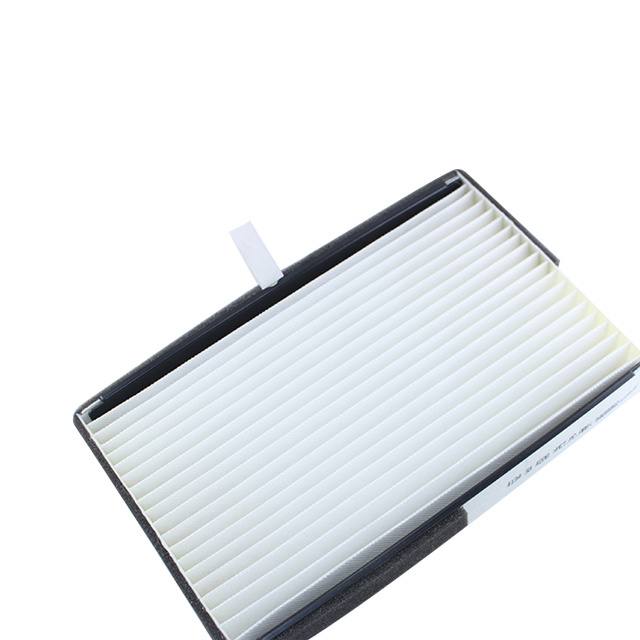
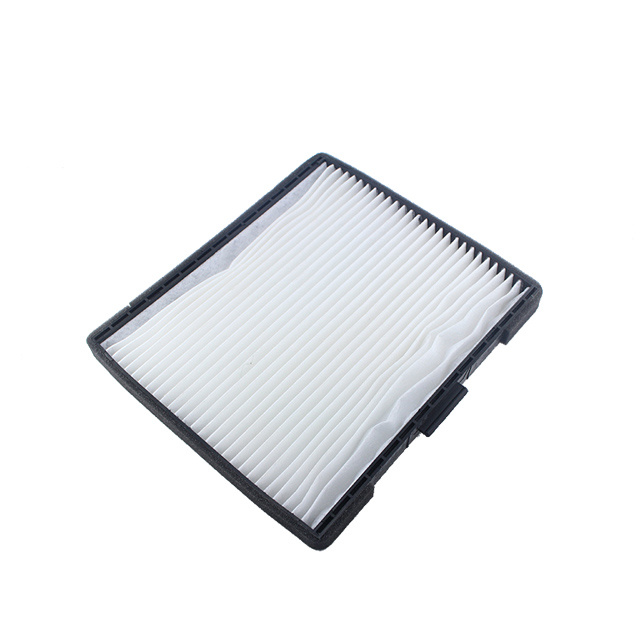
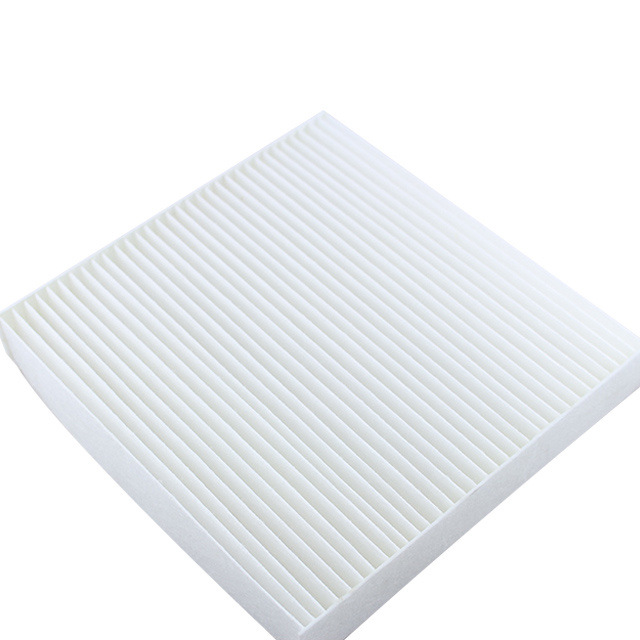
Pleated filters have a larger surface area compared to fiberglass filters, allowing them to trap more dust, pollen, and other pollutants. They are often a better option for improved air quality.
3. Activated Carbon Filters
Activated carbon filters are designed to absorb odors and harmful gases. They are particularly useful for eliminating unpleasant smells from the air conditioning system.
The Step-by-Step Guide to Replacing Your Filter
Replacing your automotive air conditioning filter is a straightforward task that can be done at home. Follow these steps for a successful replacement:
Step 1: Gather the Necessary Tools
You will need a replacement filter, flathead screwdriver, and possibly a pair of gloves to keep your hands clean.
Step 2: Locate the Filter
The air conditioning filter is usually located behind the glove compartment or in the engine compartment. Consult your vehicle’s manual for the exact location.
Step 3: Remove the Old Filter
Carefully unscrew or unclip the cover that holds the filter in place. Remove the old filter and dispose of it properly.
Step 4: Install the New Filter
Insert the new filter in the same orientation as the old one. Ensure it fits snugly and the airflow direction matches the indicated arrows on the filter.
Step 5: Replace the Cover
Reattach the cover securely and make sure there are no gaps that could allow dirt to enter the system.
Step 6: Test the System
Turn on your air conditioning to ensure proper airflow and verify that the system is functioning effectively.
Maintaining Your Air Conditioning System
Regular maintenance of your air conditioning system can extend its lifespan and improve performance. Here are some essential maintenance tips:
- Regularly Check the Filter: Aim to check your air conditioning filter at least every three months. Replace it as needed, especially during peak usage seasons.
- Keep Vents Clear: Ensure that air vents are not blocked by objects like seat covers or mats. This will promote better airflow throughout the cabin.
- Use the A/C Regularly: Running your air conditioning system for a few minutes weekly helps maintain the system's efficiency and prevents mechanical issues.
- Schedule Professional Inspections: Consider having your air conditioning system serviced by a professional technician annually to identify any potential issues early.
Frequent Mistakes to Avoid
While maintaining your automotive air conditioning filter, it’s important to avoid common pitfalls that can lead to decreased performance:
- Neglecting Regular Maintenance: Failing to check and replace the filter regularly can lead to poor air quality and system inefficiency.
- Using Incorrect Filters: Always use filters that are compatible with your vehicle’s make and model to ensure optimal performance.
- Overlooking Drainage Systems: Ensure that the condensate drainage system is clear of obstructions to avoid water pooling in your vehicle.
Additional Tips for Enhanced Air Quality
Improving indoor air quality goes beyond just changing the air conditioning filter. Consider the following tips:
- Use Air Purifiers: Consider using portable air purifiers within your vehicle to further enhance air quality.
- Regularly Clean the Interior: Vacuum the car's interior frequently to eliminate dust and debris that can circulate in the air.
- Change Cabin Air Filters: In addition to the main air conditioning filter, check and replace cabin air filters as specified in your vehicle’s manual.
Conclusion
Maintaining your automotive air conditioning filter is a vital component of ensuring a comfortable and healthy driving experience. By understanding the importance of the filter, recognizing signs that it needs to be replaced, and following the proper maintenance procedures, car owners can significantly enhance their vehicle’s air quality and prolong the life of the air conditioning system. Regularly checking and changing your air filter will not only improve performance but also contribute to a more pleasant driving experience for you and your passengers.
FAQs
1. How often should I replace my automotive air conditioning filter?
It is generally recommended to replace your air conditioning filter every 12,000 to 15,000 miles or at least once a year, depending on your driving conditions.
2. What are the symptoms of a clogged air conditioning filter?
Symptoms of a clogged filter include reduced airflow from vents, unpleasant odors, and increased dust inside the car.
3. Can I clean my air conditioning filter instead of replacing it?
Some filters can be cleaned, but most are designed for one-time use and should be replaced when they become dirty.
4. Will a dirty air conditioning filter affect my car’s performance?
Yes, a dirty filter can reduce airflow, causing the air conditioning system to work harder, which may lead to increased fuel consumption and potential damage to the system.
5. Do I need a professional to replace my air conditioning filter?
No, replacing the air conditioning filter is a straightforward task that most car owners can do themselves with the right tools and instructions.
Key words:

* Please Enter Keywords
The company is mainly engaged in the manufacture and sale of auto parts and accessories in the automobile manufacturing industry, the manufacture and sale of automobile rubber products, and the import and export of auto parts.