

 Esperanto
 Shqiptare
 Euskara
 Zulu
Zulu
 Latinus
 Cymraeg
 தமிழ்
தமிழ்
 Slovak
 Slovak
 Afrikaans
Focus On Hot Spots
Contact Info
E-mail: txgs@taixifilter.com
Manager Xu: +86-15097925576
Manager Feng: +86-15803195413
Address: North side of Caiyuan Village, Gexianzhuang Town, Qinghe County, Xingtai City, Hebei Province (No. 250)
Understanding Filters in Central Air Units: Essential Insights for Enhanced Air Quality
Release Time:
May 02,2025
When it comes to central air units, filters play a crucial role in maintaining a comfortable and healthy indoor atmosphere. They are responsible for trapping dust, pollen, pet dander, and other airborne particles, preventing them from circulating through the air in your living or working space. A good understanding of filters in central air units can help you make informed decisions regarding thei
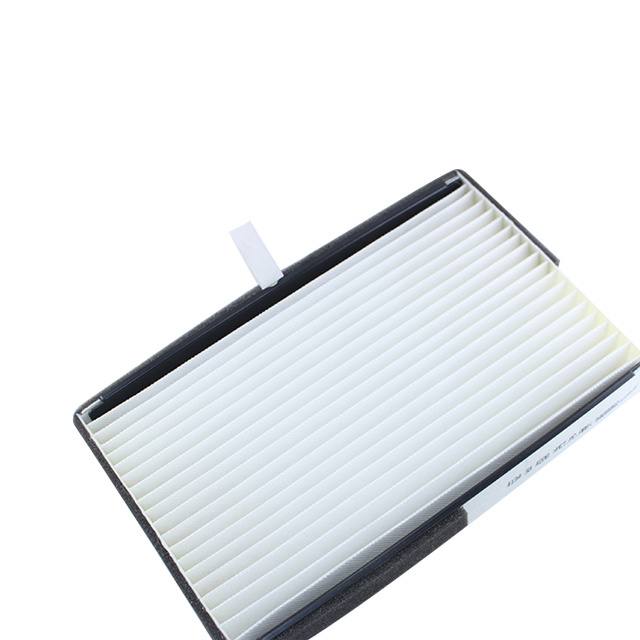
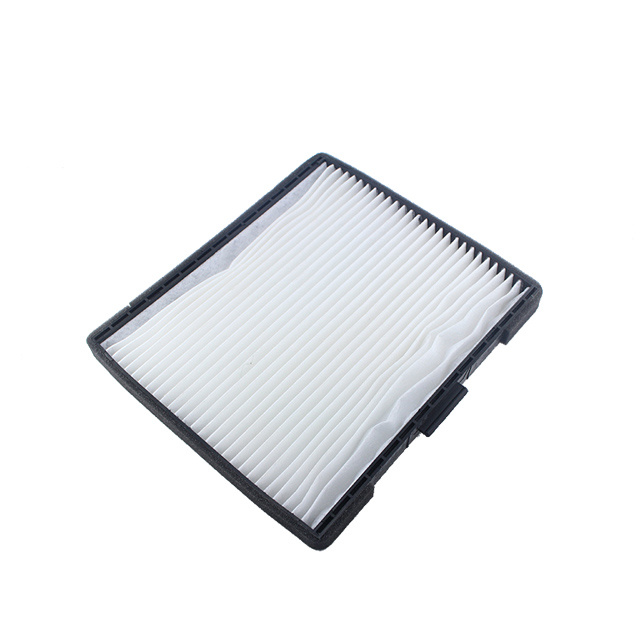
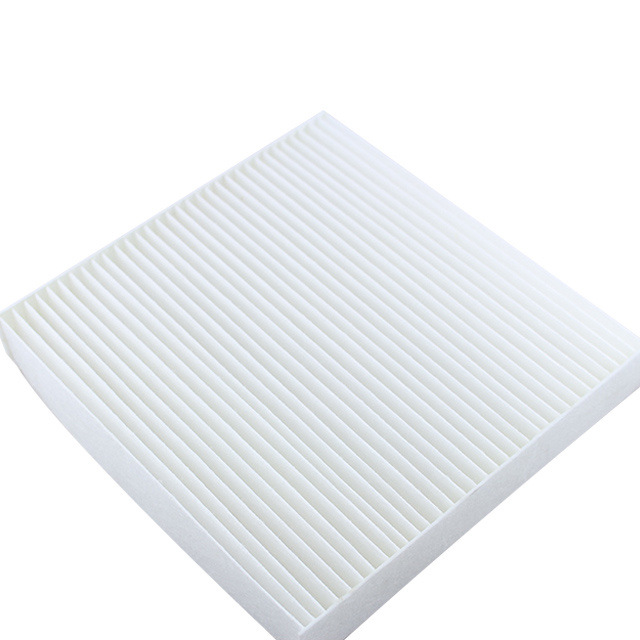
There are several types of filters used in central air units, each with its own advantages and applications. The most common types include fiberglass filters, pleated filters, and HEPA filters. Fiberglass filters are typically the least expensive and are designed to capture larger particles, making them suitable for basic air filtration needs. Pleated filters, on the other hand, offer a greater surface area for trapping smaller particles and are more efficient in removing allergens from the air. HEPA (High-Efficiency Particulate Air) filters are the most advanced option, capable of capturing up to 99.97% of particles that are 0.3 microns or larger. Choosing the right filter for your central air unit depends on various factors, including the specific air quality needs of your environment and the level of filtration required.
Regular maintenance of filters in central air units is vital for optimal performance. Clogged or dirty filters can significantly reduce airflow, forcing the system to work harder and leading to increased energy consumption. It is generally recommended to check and replace filters every 1 to 3 months, depending on usage and environmental factors. In high-traffic areas or homes with pets, more frequent changes may be necessary. Many central air units have filter indicators that signal when it's time for a replacement, making it easier to keep track of maintenance needs.
Beyond the impact on air quality, the right filters can also enhance the lifespan of your central air unit. By minimizing the amount of dust and debris that enters the system, filters help prevent wear and tear on components, ultimately leading to fewer repairs and a more efficient operation. Furthermore, investing in high-quality filters can improve energy efficiency, as a well-maintained system requires less energy to circulate air.
In conclusion, filters in central air units are essential for maintaining a clean and healthy indoor environment. By understanding the types of filters available, their maintenance requirements, and their impact on system performance, you can ensure that your central air unit operates efficiently and effectively. Regularly checking and replacing filters is a simple yet crucial step in preserving indoor air quality and enhancing the longevity of your HVAC system.
Key words:

* Please Enter Keywords
The company is mainly engaged in the manufacture and sale of auto parts and accessories in the automobile manufacturing industry, the manufacture and sale of automobile rubber products, and the import and export of auto parts.