

 Esperanto
 Shqiptare
 Euskara
 Zulu
Zulu
 Latinus
 Cymraeg
 தமிழ்
தமிழ்
 Slovak
 Slovak
 Afrikaans
Focus On Hot Spots
Contact Info
E-mail: txgs@taixifilter.com
Manager Xu: +86-15097925576
Manager Feng: +86-15803195413
Address: North side of Caiyuan Village, Gexianzhuang Town, Qinghe County, Xingtai City, Hebei Province (No. 250)
Air Conditioner Air Filters: What You Need to Know for Your Home
Release Time:
May 08,2025
Air Conditioner Air Filters: What You Need to Know for Your Home In today’s world, where indoor air quality is paramount, understanding the role of air conditioner air filters is essential for maintaining a healthy living environment. Not only do these filters improve air quality, but they also enhance the efficiency of your cooling system. In this article, we will explore the different types of f
Air Conditioner Air Filters: What You Need to Know for Your Home
In today’s world, where indoor air quality is paramount, understanding the role of air conditioner air filters is essential for maintaining a healthy living environment. Not only do these filters improve air quality, but they also enhance the efficiency of your cooling system. In this article, we will explore the different types of filters available, their benefits, maintenance tips, and how to select the right filter for your air conditioning unit. Let's dive into the essential information you need to keep your home comfortable and clean.
Table of Contents
- Understanding Air Conditioner Air Filters
- Types of Air Conditioner Air Filters
- Benefits of Using Air Conditioner Air Filters
- Maintaining Your Air Conditioner Filters
- How to Choose the Right Air Conditioner Filter
- Common Misconceptions About Air Filters
- FAQs About Air Conditioner Air Filters
- Conclusion
Understanding Air Conditioner Air Filters
Air conditioner air filters play a critical role in your HVAC system. Their primary function is to trap dust, allergens, and other airborne particles, preventing them from circulating throughout your home. A clean and efficient air filter enhances your system's performance, prolongs its lifespan, and ultimately improves your indoor air quality. Understanding how these filters work and their types can empower homeowners to make informed decisions about maintenance and replacements.
Types of Air Conditioner Air Filters
There are various types of air filters available for air conditioning units, each designed with different materials and filtration capabilities. Here, we will discuss the most common types of air conditioner filters.
Fiberglass Filters
Fiberglass filters are the most basic type of air filter. Made of layered fiberglass fibers, they are designed to capture large particles like dust and lint. While they are inexpensive and easy to replace, their filtration capabilities are limited, making them less effective for improving indoor air quality.
Pleated Filters
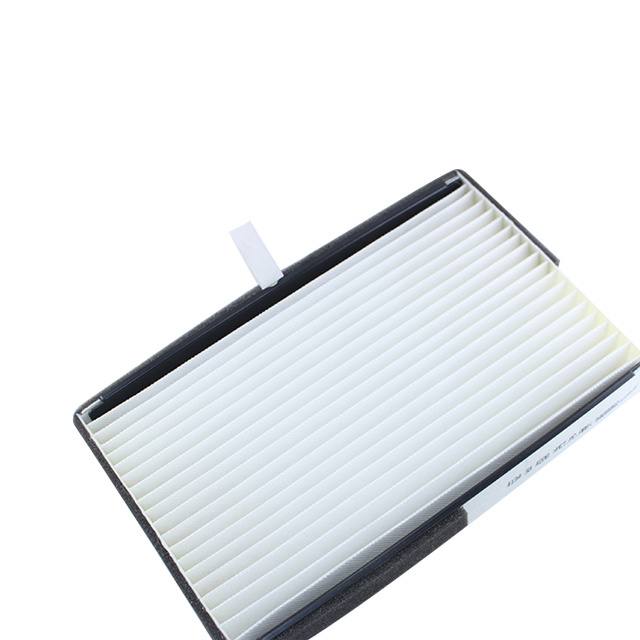
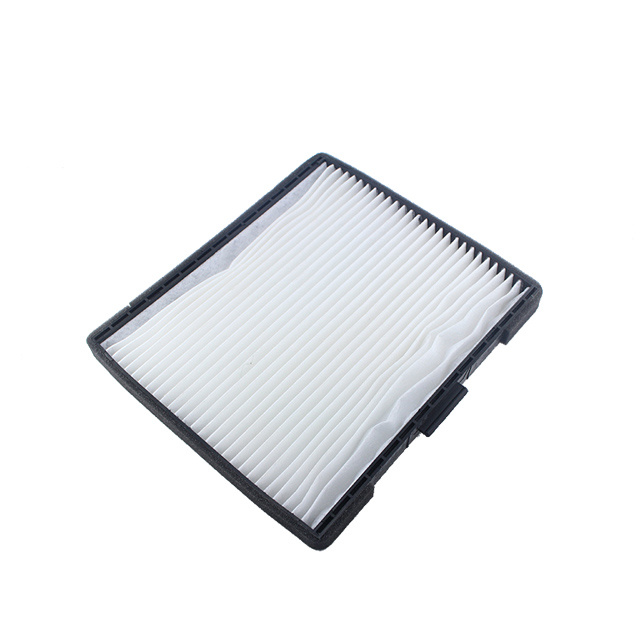
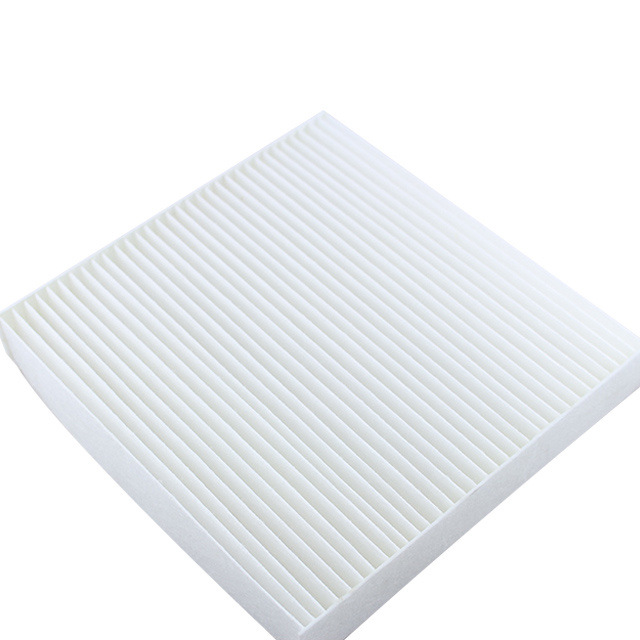
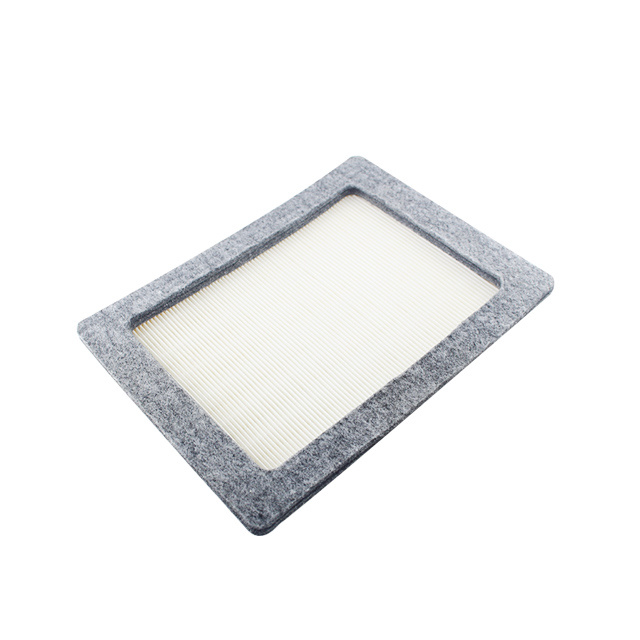
Pleated filters consist of a folded design that increases the surface area, allowing for better filtration. They are more efficient than fiberglass filters and can capture smaller particles, including pollen and pet dander. Pleated filters typically have a MERV rating between 5 and 13, which indicates their efficiency in filtering out airborne contaminants.
Electrostatic Filters
Electrostatic filters use static electricity to attract and trap particles. These filters can be reusable and washable, making them a cost-effective choice in the long run. They can capture a wide range of allergens and are suitable for households with pets or allergy sufferers.
HEPA Filters
High-Efficiency Particulate Air (HEPA) filters are among the most efficient options available, designed to capture 99.97% of particles that are 0.3 microns or larger. They are ideal for those with severe allergies or respiratory issues. However, HEPA filters often require professional installation and may not fit all air conditioning units.
Carbon Filters
Carbon filters are designed to absorb odors and volatile organic compounds (VOCs), making them an excellent choice for homes with strong smells or chemical sensitivities. They are often used in conjunction with other filter types to enhance overall air quality.
Benefits of Using Air Conditioner Air Filters
Investing in high-quality air filters for your air conditioning system comes with numerous advantages:
- Improved Air Quality: Clean filters trap dust, allergens, and pollutants, leading to healthier indoor air.
- Enhanced Energy Efficiency: A clean filter ensures smooth airflow, reducing strain on your AC unit and lowering energy costs.
- Extended Equipment Lifespan: Regularly changing filters helps maintain your HVAC system, prolonging its lifespan and reducing repair costs.
- Reduced Allergens: Effective filtration minimizes allergens in the air, benefiting allergy sufferers and enhancing overall comfort.
Maintaining Your Air Conditioner Filters
Proper maintenance of your air conditioner filters is crucial for optimal performance. Here are some essential maintenance tips:
- Regular Inspections: Check your filters monthly, especially during peak usage months. This will help you gauge when they need replacement.
- Change Filters Periodically: Depending on the type, change or clean your filters every 1 to 3 months. HEPA filters may last longer, while fiberglass filters may need more frequent changes.
- Keep the Area Clean: Ensure the area around your air conditioning unit is free from debris and dust to prevent contamination of the filters.
- Follow Manufacturer Instructions: Always adhere to the manufacturer’s guidelines for replacing or cleaning filters, as specified in your air conditioning unit's manual.
How to Choose the Right Air Conditioner Filter
Selecting the right air conditioner filter is vital for maximizing your system's efficiency and maintaining good air quality. Consider the following factors:
- Filter Type: Evaluate your needs and decide on the type of filter that best suits your home. For example, if you have pets, consider filters that specialize in capturing pet dander.
- MERV Rating: Look for filters with a MERV rating that meets your filtration needs. Higher ratings indicate better filtration capabilities.
- Size: Ensure you select the correct size for your air conditioning unit. Filters that don’t fit properly can cause airflow issues.
- Cost: Balance your budget with your filtration needs. While higher-quality filters may be more expensive, they often save money in energy efficiency and system maintenance.
Common Misconceptions About Air Filters
There are several misconceptions surrounding air conditioner filters that homeowners should be aware of:
- All Filters Are the Same: Different filters serve various purposes and have varying filtration capabilities. Understanding the distinctions is crucial for effective air quality management.
- You Only Need to Change Filters Once a Year: Depending on usage and filter type, many filters need changing every 1 to 3 months.
- More Expensive Means Better Quality: While higher-priced filters generally offer better filtration, it’s essential to choose a filter that suits your specific needs rather than relying solely on price.
FAQs About Air Conditioner Air Filters
1. How often should I replace my air conditioner filter?
It’s recommended to check your air filter monthly and replace it every 1 to 3 months, depending on your filter type and usage.
2. Can I clean my air conditioner filter instead of replacing it?
Some filters, like electrostatic and certain pleated filters, can be cleaned and reused. However, always follow the manufacturer’s instructions.
3. What is the MERV rating, and why does it matter?
The MERV (Minimum Efficiency Reporting Value) rating measures a filter's ability to capture particles. A higher MERV rating indicates better filtration efficiency, which is crucial for improving air quality.
4. Do higher MERV ratings always mean better performance?
Not necessarily. While higher MERV ratings signify better filtration, they can also restrict airflow and may not be suitable for all HVAC systems. Choose a filter that balances filtration efficiency and airflow.
5. Can I use a high-efficiency filter in my existing HVAC system?
Before replacing your current filter with a high-efficiency option, consult your HVAC system’s manual or a professional to ensure compatibility.
Conclusion
Air conditioner air filters are a vital component of maintaining optimal indoor air quality and HVAC efficiency. By understanding the different types of filters, their benefits, and proper maintenance practices, homeowners can make informed decisions that enhance their living environment. Prioritizing clean air not only leads to improved health and comfort but also extends the lifespan of your cooling system. Remember, a little attention to your air filters can go a long way in ensuring a healthy and comfortable home.
Key words:

* Please Enter Keywords
The company is mainly engaged in the manufacture and sale of auto parts and accessories in the automobile manufacturing industry, the manufacture and sale of automobile rubber products, and the import and export of auto parts.