

 Esperanto
 Shqiptare
 Euskara
 Zulu
Zulu
 Latinus
 Cymraeg
 தமிழ்
தமிழ்
 Slovak
 Slovak
 Afrikaans
Focus On Hot Spots
Contact Info
E-mail: txgs@taixifilter.com
Manager Xu: +86-15097925576
Manager Feng: +86-15803195413
Address: North side of Caiyuan Village, Gexianzhuang Town, Qinghe County, Xingtai City, Hebei Province (No. 250)
Essential Insights on Air Conditioner Air Filters: Maximizing Efficiency and Longevity
Release Time:
May 14,2025
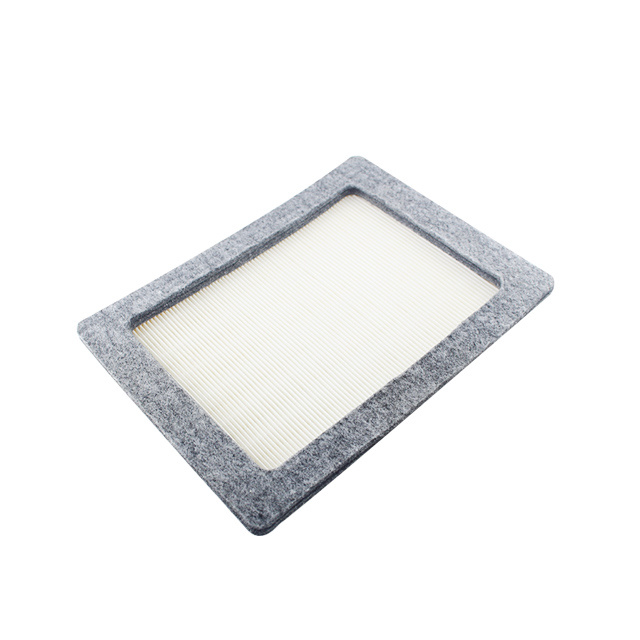
Air conditioner air filters play a pivotal role in the efficiency and functionality of HVAC systems, particularly in industrial environments where air quality is of utmost importance. These filters are designed to trap dust, dirt, and other particulates, preventing them from entering the air conditioning unit and, subsequently, the indoor environment. Regular maintenance of air filters not only pr
One of the primary functions of an air conditioner air filter is to improve indoor air quality by removing contaminants that can lead to health issues among employees. In industrial settings, where airborne particles may be more prevalent, using high-quality filters can significantly reduce the risk of respiratory problems and other health concerns. It's essential to choose the right type of filter based on the specific requirements of your workplace, as different filters have varying capacities for particle removal.
Furthermore, the efficiency of an air conditioning system is closely tied to the condition of its air filters. Clogged or dirty filters can cause the system to work harder, leading to increased energy consumption and higher operational costs. By regularly inspecting and replacing filters, businesses can ensure that their HVAC systems operate at peak efficiency, leading to substantial cost savings in energy bills.
To maximize the performance of air conditioner air filters, it is recommended to establish a routine maintenance schedule. Depending on factors such as usage frequency and the environment, filters may need to be checked monthly or quarterly. In particularly dusty or polluted areas, more frequent changes may be necessary. Additionally, utilizing high-efficiency particulate air (HEPA) filters can provide superior filtration compared to standard options, delivering cleaner air and enhanced system efficiency.
Education and awareness among personnel about the importance of air filters should not be overlooked. Training staff on how to properly maintain and replace filters can lead to significant improvements in air quality and system performance. It’s also beneficial to conduct regular audits of the HVAC system to identify and rectify any issues related to air filters promptly.
In conclusion, understanding and maintaining air conditioner air filters is crucial for any industrial operation focused on health, efficiency, and cost-effectiveness. By prioritizing filter maintenance, organizations can ensure a safer, cleaner working environment while extending the lifespan of their HVAC systems. Implementing these practices not only translates into better air quality but also reinforces the commitment to employee well-being and operational excellence.
Key words:

* Please Enter Keywords
The company is mainly engaged in the manufacture and sale of auto parts and accessories in the automobile manufacturing industry, the manufacture and sale of automobile rubber products, and the import and export of auto parts.