

 Esperanto
 Shqiptare
 Euskara
 Zulu
Zulu
 Latinus
 Cymraeg
 தமிழ்
தமிழ்
 Slovak
 Slovak
 Afrikaans
Focus On Hot Spots
Contact Info
E-mail: txgs@taixifilter.com
Manager Xu: +86-15097925576
Manager Feng: +86-15803195413
Address: North side of Caiyuan Village, Gexianzhuang Town, Qinghe County, Xingtai City, Hebei Province (No. 250)
How to Optimize Airflow with the Right Air Filter in Central AC Systems
Release Time:
May 20,2025
How to Optimize Airflow with the Right Air Filter in Central AC Systems Understanding the Importance of Air Filters in Central AC Systems Air filters play a crucial role in maintaining the efficiency and performance of central air conditioning (AC) systems. They not only trap dust, dirt, and allergens but also protect sensitive components within the HVAC system. Understanding how these filters wor
How to Optimize Airflow with the Right Air Filter in Central AC Systems
Understanding the Importance of Air Filters in Central AC Systems
Air filters play a crucial role in maintaining the efficiency and performance of central air conditioning (AC) systems. They not only trap dust, dirt, and allergens but also protect sensitive components within the HVAC system. Understanding how these filters work helps homeowners make informed decisions about their AC systems.
The Role of Airflow in HVAC Performance
Airflow is essential for effective heating and cooling in any HVAC system. It facilitates the distribution of conditioned air throughout space, ensuring comfort. When airflow is restricted due to dirty or inefficient air filters, the system has to work harder, leading to increased energy consumption and higher utility bills.
How Air Filters Affect Airflow
When air filters become clogged with debris, they obstruct the flow of air. This restriction can lead to several issues, including:
- **Reduced Efficiency:** The AC system has to use more energy to circulate air, increasing energy costs.
- **Increased Wear and Tear:** Strained components may lead to premature breakdowns and costly repairs.
- **Poor Indoor Air Quality:** Insufficient filtration can allow dust, pollen, and other pollutants to circulate in the air.
Types of Air Filters for Central AC Systems
Choosing the right air filter is paramount in optimizing airflow and maintaining system efficiency. Here are some common types of air filters available for central AC systems:
1. Fiberglass Filters
Fiberglass filters are the most basic and commonly used type. They trap larger particles but may not effectively capture smaller allergens. Their low cost makes them appealing, but they require frequent replacement to maintain airflow.
2. Pleated Filters
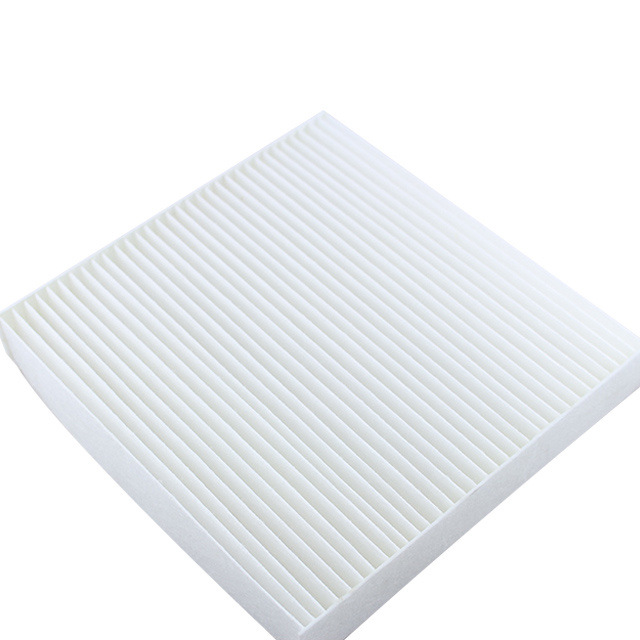
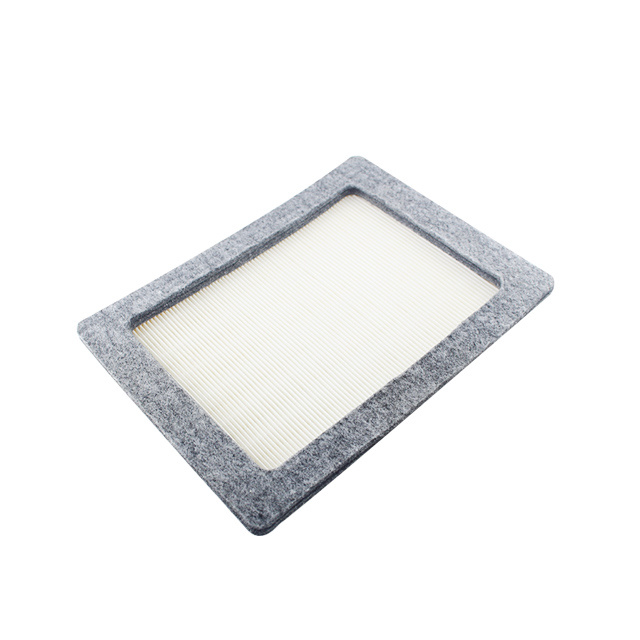
Pleated filters are made from polyester or cotton fibers and have a greater surface area, allowing them to capture more particles, including dust and pollen. They are more efficient than fiberglass filters and typically last longer.
3. HEPA Filters
High-Efficiency Particulate Air (HEPA) filters are designed to trap 99.97% of particles that are 0.3 microns or larger. While they provide superior filtration, they may restrict airflow if not matched correctly with the system, so it’s essential to check compatibility with your AC unit.
4. Electrostatic Filters
These filters use an electric charge to attract and capture particles. They can be washable and reusable, making them an environmentally friendly option. However, their effectiveness may diminish over time as they accumulate dust.
Factors to Consider When Choosing an Air Filter
Selecting the right air filter involves considering several factors to ensure optimal airflow and system performance.
1. MERV Ratings
The Minimum Efficiency Reporting Value (MERV) rating indicates a filter's efficiency at trapping particles of varying sizes. Higher MERV ratings mean better filtration but may also cause more airflow resistance. It's crucial to choose a filter with an appropriate MERV rating for your system's specifications.
2. Filter Size
Ensure the filter size matches the dimensions of your filter slot. An ill-fitting filter can lead to air bypass and reduced effectiveness, negating the benefits of having a quality filter.
3. Maintenance and Replacement Schedule
Regular maintenance is essential for optimal airflow. Filters should be checked and replaced according to the manufacturer's guidelines, typically every 1-3 months. Establishing a routine helps maintain efficiency and extend the lifespan of your HVAC system.
Steps to Optimize Airflow in Central AC Systems
Enhancing airflow in your central AC system can be achieved through a series of strategic steps:
1. Assess Your Current Filter
Evaluate the type and condition of your current air filter. If it’s dirty or outdated, consider upgrading to a more efficient option.
2. Install the Right Filter
Choose an air filter that suits your AC system's needs based on MERV ratings, size, and type. Ensure it's a perfect fit to prevent air bypass.
3. Regularly Check and Replace Filters
Set a reminder to check your filter every month. Replace it when it looks dirty or based on the recommended schedule. This simple action can significantly enhance airflow and system performance.
4. Clean the AC Unit
Dust and debris can accumulate on the AC unit itself, affecting airflow. Regularly clean the condenser and evaporator coils, and check the ductwork for blockages.
5. Optimize Ductwork
Ensure that your ductwork is free from obstructions and leaks. Proper insulation and sealing of ducts can improve airflow significantly.
Common Airflow Issues and Solutions
Identifying common airflow problems can help in troubleshooting and rectifying issues effectively.
1. Inconsistent Airflow
Inconsistent airflow can arise from blockages in ducts or improper filter installation. Check for debris in vents and ensure all registers are open and functional.
2. High Energy Bills
If energy bills are unexpectedly high, it might indicate that your system is overworking due to restricted airflow. Inspect and replace filters and ensure the system is maintained regularly.
3. Unpleasant Odors
Foul odors emanating from the AC system can suggest mold or mildew growth on the filter or within the unit. Replace the filter and clean the unit to eliminate these odors.
FAQs About Air Filters and Airflow Optimization
1. How often should I replace my air filter?
It's generally recommended to replace your air filter every 1-3 months, depending on usage and the type of filter.
2. Can a dirty air filter affect my health?
Yes, a dirty air filter can lead to poor indoor air quality, exacerbating allergies and respiratory issues by allowing pollutants to circulate.
3. What MERV rating should I look for?
For residential use, a MERV rating between 8-12 is sufficient, balancing good filtration without excessively restricting airflow.
4. Are HEPA filters worth the investment?
If you have allergies or asthma, HEPA filters can significantly improve air quality, making them a worthwhile investment despite their higher cost.
5. Can I clean and reuse my air filter?
Some electrostatic filters are washable and reusable, but standard fiberglass and pleated filters should be replaced, not cleaned.
Conclusion
Optimizing airflow in your central AC system begins with selecting the right air filter. By understanding the types of filters available, considering MERV ratings, and maintaining a regular replacement schedule, you can significantly improve your HVAC system's efficiency and indoor air quality. Implementing these strategies will not only enhance comfort but also reduce energy costs and prolong the lifespan of your equipment. Prioritize airflow optimization today for a healthier, more efficient home environment.
Key words:

* Please Enter Keywords
The company is mainly engaged in the manufacture and sale of auto parts and accessories in the automobile manufacturing industry, the manufacture and sale of automobile rubber products, and the import and export of auto parts.