

 Esperanto
 Shqiptare
 Euskara
 Zulu
Zulu
 Latinus
 Cymraeg
 தமிழ்
தமிழ்
 Slovak
 Slovak
 Afrikaans
Focus On Hot Spots

Contact Info
E-mail: txgs@taixifilter.com
Manager Xu: +86-15097925576
Manager Feng: +86-15803195413
Address: North side of Caiyuan Village, Gexianzhuang Town, Qinghe County, Xingtai City, Hebei Province (No. 250)
Understanding Split Air Conditioner Filters: Essential Insights for Industrial Applications
Release Time:
May 26,2025
In industrial environments, maintaining optimal air quality is crucial, and one of the key components in achieving this is the split air conditioner filter. These filters play a vital role in ensuring that the air circulating through industrial spaces is clean and safe for workers. Understanding the functionality, maintenance, and selection of these filters can significantly enhance air quality an
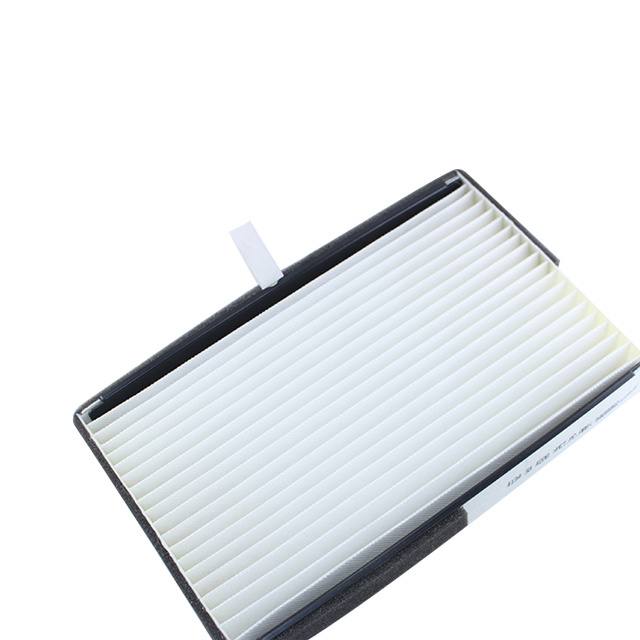
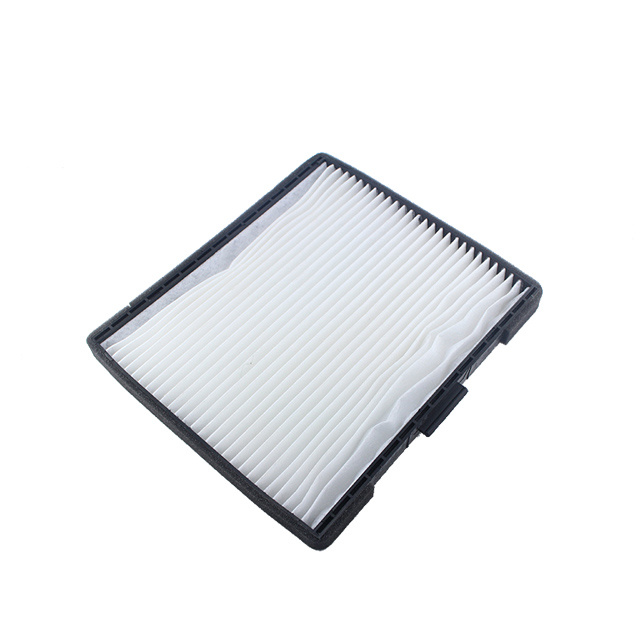
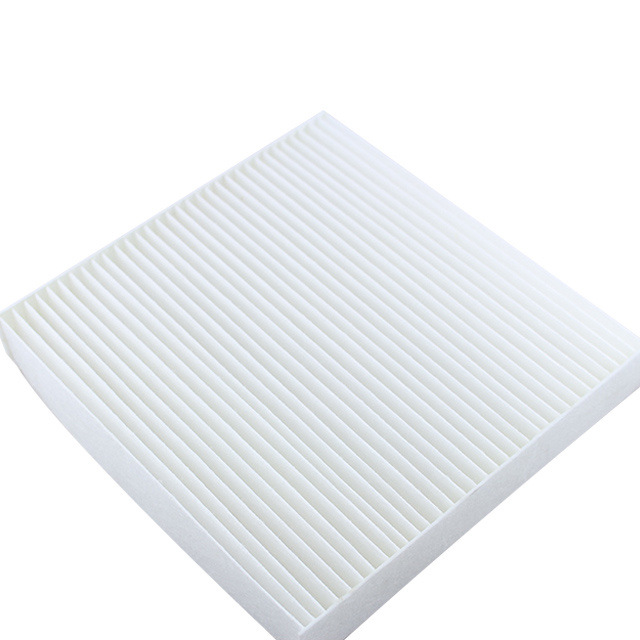
Split air conditioner filters serve to trap dust, pollen, lint, and other particulate matter, preventing them from entering the air system and ultimately the workspace. Regularly cleaning or replacing these filters is essential to maintain airflow efficiency and prevent the system from becoming sluggish. Clogged filters can lead to increased energy consumption, as the unit works harder to push air through the blockage. This inefficiency not only raises operational costs but also impacts the longevity of the air conditioning system.
When it comes to maintenance, the frequency of filter checks and replacements depends on various factors, including the type of industry, the level of dust and pollutants in the environment, and the operational hours of the air conditioning unit. In high-dust environments, such as manufacturing plants or warehouses, filters may need to be inspected and serviced more often than in cleaner settings. Implementing a regular maintenance schedule is crucial to ensure that filters are functioning effectively, and this can also help in identifying any potential issues with the air conditioning system before they escalate.
Selection of the right split air conditioner filter is another critical aspect. Filters come in various types, including HEPA (High-Efficiency Particulate Air) filters, activated carbon filters, and electrostatic filters. Each type has its specific advantages depending on the nature of the contaminants present in the environment. For instance, HEPA filters are highly effective at capturing smaller particles, making them suitable for environments that require a higher standard of air purity.
Moreover, the integration of smart technologies in air conditioning systems can enhance the monitoring and management of filter conditions. Sensors can alert maintenance personnel when filters need attention, ensuring timely intervention and maintaining optimal performance.
In conclusion, understanding the significance of split air conditioner filters in industrial applications is essential for maintaining air quality, enhancing system efficiency, and ensuring a safe working environment. Regular maintenance, thoughtful selection, and the adoption of technology are key practices that can lead to better air filtration and overall improved operational efficacy.
Key words:

* Please Enter Keywords
The company is mainly engaged in the manufacture and sale of auto parts and accessories in the automobile manufacturing industry, the manufacture and sale of automobile rubber products, and the import and export of auto parts.