

 Esperanto
 Shqiptare
 Euskara
 Zulu
Zulu
 Latinus
 Cymraeg
 தமிழ்
தமிழ்
 Slovak
 Slovak
 Afrikaans
Focus On Hot Spots
Contact Info
E-mail: txgs@taixifilter.com
Manager Xu: +86-15097925576
Manager Feng: +86-15803195413
Address: North side of Caiyuan Village, Gexianzhuang Town, Qinghe County, Xingtai City, Hebei Province (No. 250)
Understanding the Importance of Central AC Unit Filters in Industrial Settings
Release Time:
Jun 07,2025
In industrial settings, central air conditioning (AC) units play a vital role in regulating temperature and ensuring a comfortable environment for personnel and sensitive equipment. One critical component of these systems is the AC unit filter, which is often overlooked yet essential for maintaining air quality and system efficiency. Central AC unit filters are designed to capture dust, allergens,
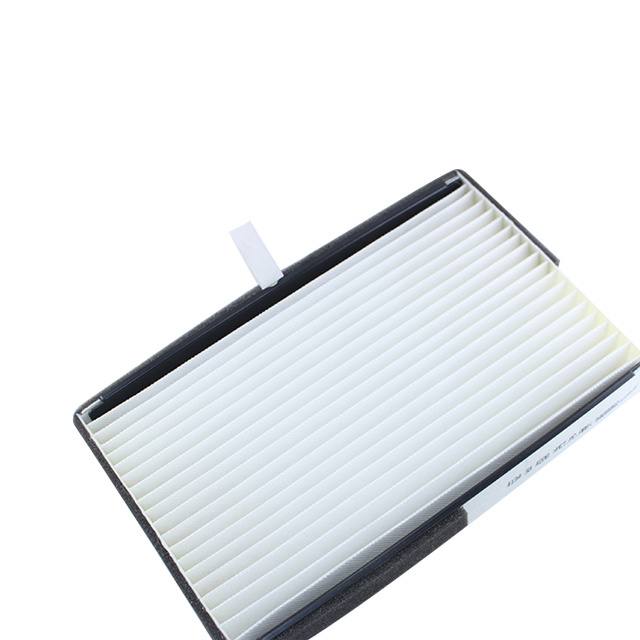
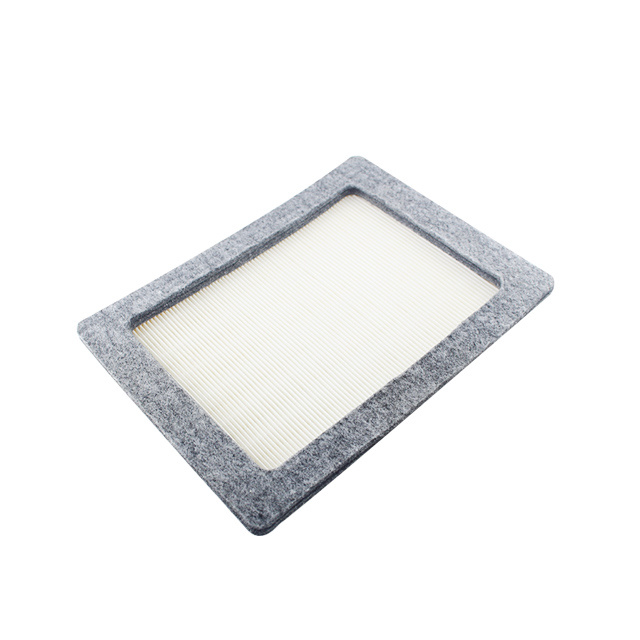
Central AC unit filters are designed to capture dust, allergens, and pollutants from the air before it circulates through the system. By doing so, they help to maintain a clean airflow, which is crucial in industrial environments where airborne contaminants can affect both health and machine performance. A clean filter can significantly reduce the strain on the AC unit, which translates to improved energy efficiency and a longer lifespan for the equipment.
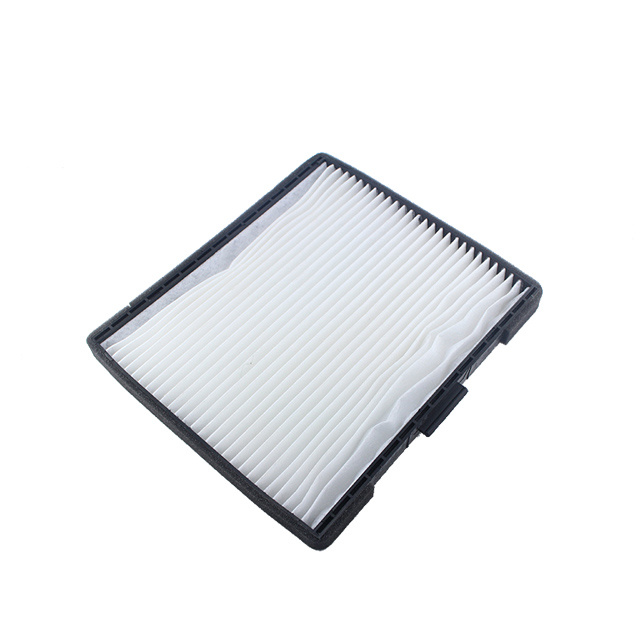
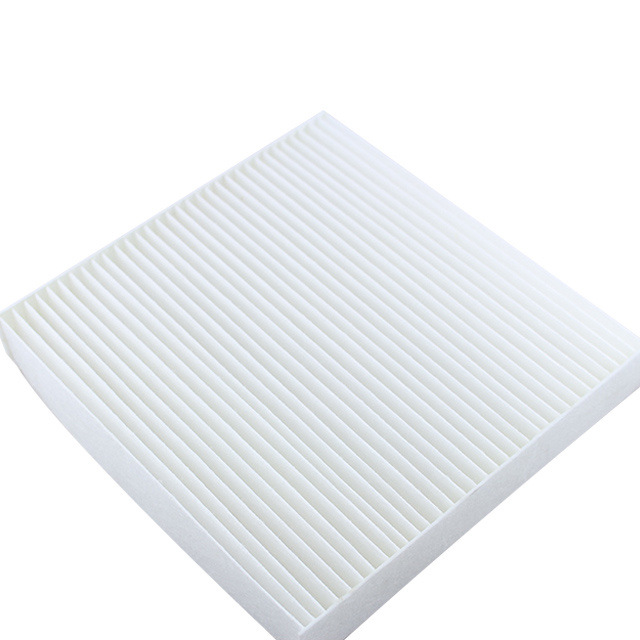
There are several types of filters used in central AC units, including fiberglass filters, pleated filters, and HEPA filters. Fiberglass filters are the most basic option and are typically less effective in capturing smaller particles. Pleated filters, on the other hand, have a larger surface area that allows for better filtration of airborne particles, making them more suitable for industrial applications. HEPA filters are the highest standard, capable of trapping up to 99.97% of particles as small as 0.3 microns, which is particularly beneficial in environments that require stringent air quality control.
Regular maintenance of central AC unit filters is crucial to ensure optimal performance. It is recommended that filters be checked and replaced every one to three months, depending on usage and the specific environment. In industries with higher levels of dust and pollutants, more frequent inspections and replacements may be necessary. Additionally, routine cleaning of the surrounding area can help minimize the accumulation of debris that can clog filters more quickly.
Neglecting filter maintenance can lead to numerous issues, including decreased airflow, higher energy consumption, and even system breakdowns. Clogged filters force the AC unit to work harder, which can lead to overheating and premature failure of components. This not only affects air quality but can also result in costly repairs and downtime for industrial operations.
In conclusion, understanding the role of central AC unit filters is critical for maintaining optimal performance and air quality in industrial settings. By selecting the appropriate type of filter and adhering to a regular maintenance schedule, businesses can ensure that their central AC units operate efficiently, ultimately benefiting both the health of employees and the longevity of the equipment. Prioritizing filter care is a smart investment in the overall functionality and safety of any industrial operation.
Key words:

* Please Enter Keywords
The company is mainly engaged in the manufacture and sale of auto parts and accessories in the automobile manufacturing industry, the manufacture and sale of automobile rubber products, and the import and export of auto parts.