

 Esperanto
 Shqiptare
 Euskara
 Zulu
Zulu
 Latinus
 Cymraeg
 தமிழ்
தமிழ்
 Slovak
 Slovak
 Afrikaans
Focus On Hot Spots
Contact Info
E-mail: txgs@taixifilter.com
Manager Xu: +86-15097925576
Manager Feng: +86-15803195413
Address: North side of Caiyuan Village, Gexianzhuang Town, Qinghe County, Xingtai City, Hebei Province (No. 250)
Understanding the Role of Filters in Central Air Units for Optimal Performance
Release Time:
Jul 01,2025
When it comes to central air units, filters play a vital role in ensuring the delivery of clean and efficient air. These components are essential for capturing airborne particles, allergens, and pollutants, thereby safeguarding the health of occupants and optimizing energy usage. A well-functioning filter can significantly enhance indoor air quality and contribute to the overall performance of the
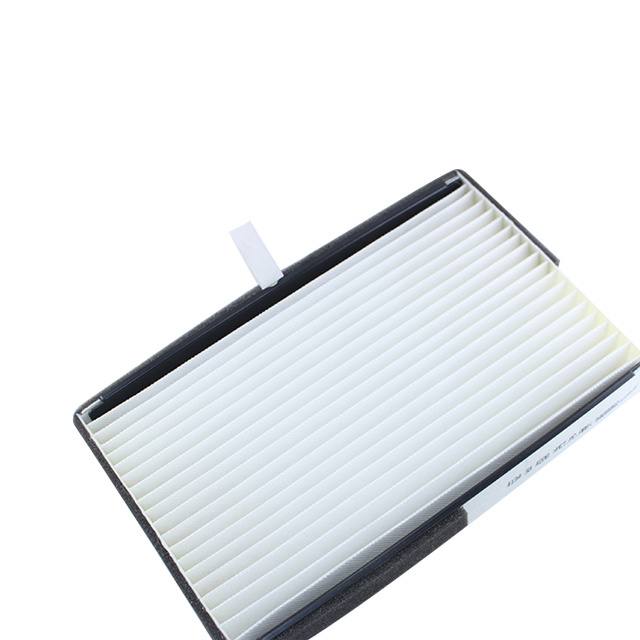
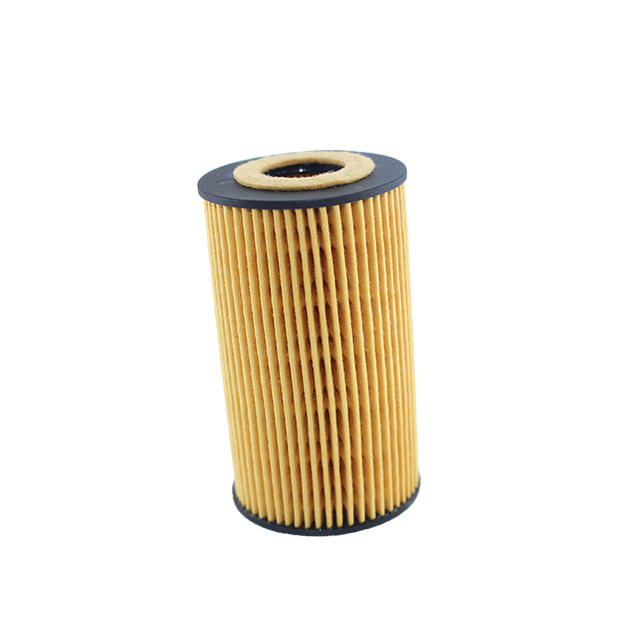
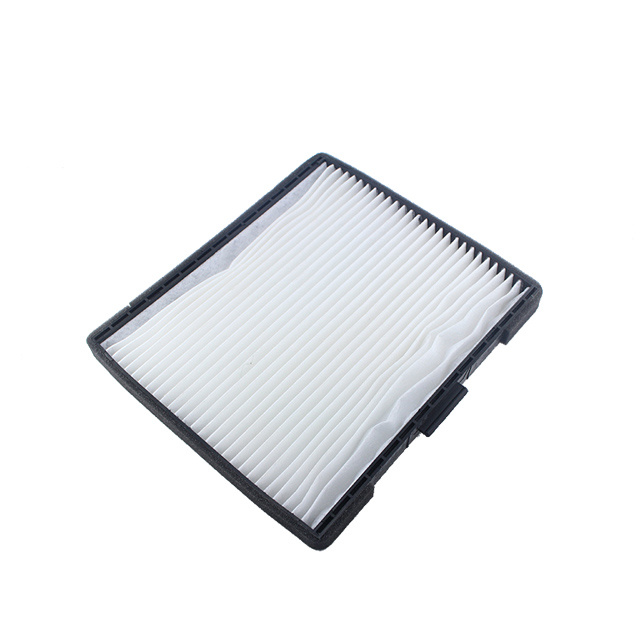
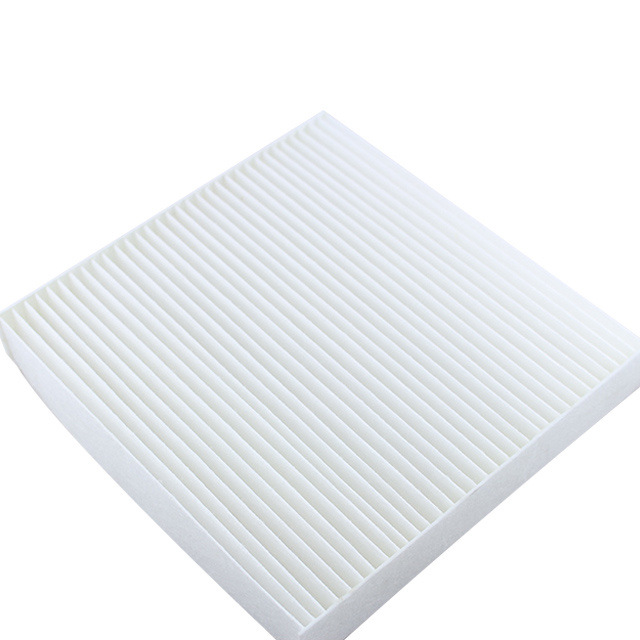
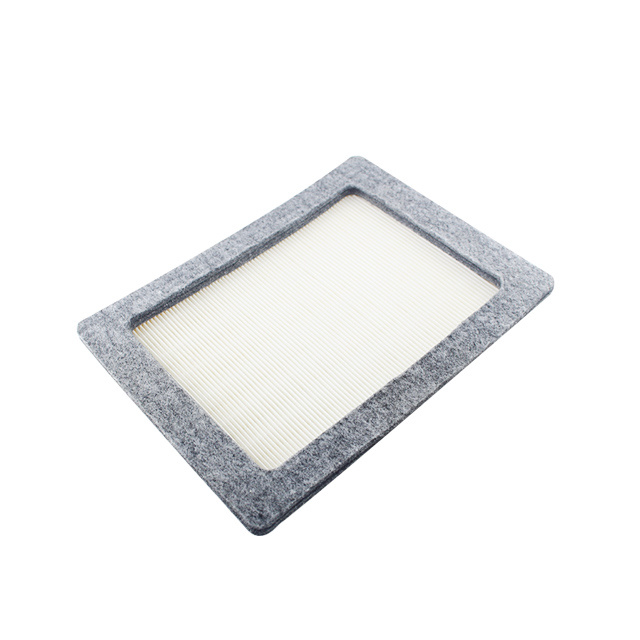
There are several types of filters used in central air units, each designed for specific applications and environments. The most common types include fiberglass filters, pleated filters, HEPA filters, and activated carbon filters. Fiberglass filters are economical and effective for basic dust and debris removal, while pleated filters offer greater surface area, which allows them to trap smaller particles and improve airflow. HEPA filters, known for their high efficiency, can capture up to 99.97% of particles as small as 0.3 microns, making them ideal for environments where air purity is paramount. Activated carbon filters, on the other hand, excel at odor removal and are often used in conjunction with other filter types.
Regular maintenance of filters is crucial to ensure optimal performance of central air units. Clogged or dirty filters can restrict airflow, forcing the system to work harder, which in turn increases energy consumption and may lead to premature system failure. It is generally recommended to check filters monthly and replace or clean them every one to three months, depending on usage and environmental conditions. In industrial settings, where dust and other particulates are prevalent, more frequent inspections and changes may be necessary.
Professional evaluation of filter needs and performance can also play a significant role in system efficiency. Engaging with qualified technicians can provide insights into the best filter options for specific requirements, taking into consideration factors such as air quality standards, system capacity, and operational demands.
In conclusion, filters in central air units are not just a component; they are a crucial element of an efficient and healthy air conditioning system. By understanding their function, types, and maintenance requirements, professionals can significantly enhance the performance of their central air systems, ensuring a comfortable and safe environment. Regular attention to filter management is an investment in both system longevity and indoor air quality.
Key words:

* Please Enter Keywords
The company is mainly engaged in the manufacture and sale of auto parts and accessories in the automobile manufacturing industry, the manufacture and sale of automobile rubber products, and the import and export of auto parts.