

 Esperanto
 Shqiptare
 Euskara
 Zulu
Zulu
 Latinus
 Cymraeg
 தமிழ்
தமிழ்
 Slovak
 Slovak
 Afrikaans
Focus On Hot Spots
Contact Info
E-mail: txgs@taixifilter.com
Manager Xu: +86-15097925576
Manager Feng: +86-15803195413
Address: North side of Caiyuan Village, Gexianzhuang Town, Qinghe County, Xingtai City, Hebei Province (No. 250)
Maximizing Indoor Air Quality: The Role of Air Conditioner Air Filters
Release Time:
Jul 07,2025
Maximizing Indoor Air Quality: The Role of Air Conditioner Air Filters Indoor air quality plays a vital role in our overall health and well-being. **Air conditioner air filters** are a critical component in ensuring that the air we breathe is clean, safe, and free of pollutants. In this article, we will explore the significance of air filters, the various types available, maintenance practices, an
Maximizing Indoor Air Quality: The Role of Air Conditioner Air Filters
Indoor air quality plays a vital role in our overall health and well-being. **Air conditioner air filters** are a critical component in ensuring that the air we breathe is clean, safe, and free of pollutants. In this article, we will explore the significance of air filters, the various types available, maintenance practices, and how to maximize your indoor air quality effectively.
Understanding Indoor Air Quality and Its Importance
Indoor air quality (IAQ) refers to the quality of the air within buildings and structures, especially as it relates to the health and comfort of the occupants. Poor IAQ can lead to a range of health problems, including respiratory issues, allergies, and long-term diseases. Understanding the factors that contribute to indoor air quality is essential for creating a safe living environment.
Common Indoor Air Pollutants
Several pollutants can compromise indoor air quality, including:
- **Dust and particulate matter**: Accumulation of dust can result in respiratory issues and allergic reactions.
- **Volatile organic compounds (VOCs)**: Emitted from paints, solvents, and cleaning products, VOCs can cause headaches and other health problems.
- **Mold and mildew**: These thrive in damp environments and can lead to serious health issues.
- **Pet dander**: A significant allergen for many, pet dander can exacerbate asthma and other respiratory conditions.
The Role of Air Filters in Enhancing Indoor Air Quality
**Air filters** are designed to trap these pollutants, ensuring that the air circulated by your air conditioning system is clean and safe. They are crucial for maintaining optimal indoor air quality and can significantly reduce the levels of allergens, dust, and other harmful substances in the air.
Types of Air Conditioner Air Filters
Understanding the different types of air filters available is key to choosing the right one for your needs. Let’s delve into the most common types of air conditioner filters.
1. HEPA Filters
**High-Efficiency Particulate Air (HEPA)** filters are known for their ability to capture 99.97% of particles that are 0.3 microns in diameter. They are particularly effective against dust, pollen, mold spores, and pet dander. Installing HEPA filters can significantly enhance indoor air quality, especially for allergy sufferers.
2. Electrostatic Filters
**Electrostatic filters** use static electricity to attract and trap particles. They are reusable and washable, making them a cost-effective choice. These filters are effective at capturing dust, smoke, and other small particles but may not be as efficient against larger particles compared to HEPA filters.
3. Pleated Filters
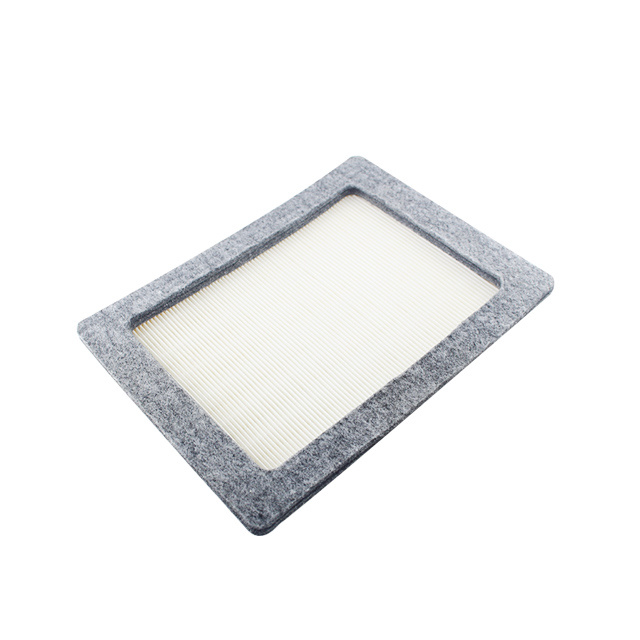
**Pleated filters** are designed with a larger surface area, which allows them to capture more dust and allergens. They come in various MERV ratings, indicating their efficiency. Higher MERV ratings mean better filtration but can restrict airflow if not matched correctly to your air conditioning system.
4. Activated Carbon Filters
**Activated carbon filters** excel at removing odors and chemicals from the air. They are often used in conjunction with other filters to provide a comprehensive air purification solution. While they may not capture dust and allergens as effectively as HEPA filters, they are essential for tackling stale odors and VOCs.
5. Washable Filters
**Washable filters** are reusable and designed for easy cleaning. While they are environmentally friendly and cost-effective in the long run, they may not provide the same level of filtration efficiency as disposable filters.
How to Choose the Right Air Filter for Your Air Conditioner
Choosing the right air filter is crucial for maximizing indoor air quality. Here are some factors to consider:
1. MERV Rating
The **Minimum Efficiency Reporting Value (MERV)** rating indicates a filter's efficiency at capturing particles. Higher MERV ratings mean better filtration. A MERV rating between 8 and 12 is typically recommended for residential use, balancing air quality and airflow.
2. Size Compatibility
Ensure that the filter fits your air conditioning system. Incorrect sizing can lead to decreased efficiency and increased energy costs.
3. Specific Needs
Consider any specific health concerns, such as allergies or respiratory issues. If you or your family members have sensitivities, opting for HEPA filters or those with high MERV ratings may be beneficial.
Maintaining Your Air Conditioner Air Filters
Proper maintenance of air filters is essential to ensure they operate efficiently. Neglecting filter maintenance can lead to poor indoor air quality, increased energy consumption, and even damage to your air conditioning system.
1. Regular Inspection
Check your air filters regularly, ideally every month, to determine whether they need cleaning or replacement. Dust buildup can significantly obstruct airflow, making your system work harder.
2. Cleaning or Replacing Filters
Depending on the type of filter you choose, ensure that **washable filters** are cleaned thoroughly and **disposable filters** are replaced regularly. Generally, replace disposable filters every 1-3 months, while washable filters should be cleaned every few weeks.
3. Seasonal Maintenance
Before the start of the heating or cooling season, inspect and replace your air filters to ensure your system is ready to operate efficiently.
Best Practices for Optimizing Air Filtration
To maximize the effectiveness of your air conditioning system and improve indoor air quality, consider the following best practices:
1. Invest in High-Quality Filters
Opt for high-quality air filters that meet your specific needs. Investing in better filters can lead to improved air quality and energy efficiency.
2. Use Multiple Filtration Methods
Combine different types of filters, such as HEPA and activated carbon filters, to tackle various pollutants effectively.
3. Monitor Humidity Levels
Maintain indoor humidity levels between 30-50% to prevent mold growth and reduce allergens.
4. Consider Additional Air Purification Systems
Incorporating additional air purifiers can further enhance indoor air quality, especially in areas with high allergen levels.
Frequently Asked Questions (FAQs)
1. How often should I change my air conditioner air filter?
It is generally recommended to change disposable filters every 1-3 months, depending on usage and air quality. Washable filters should be cleaned regularly, ideally every month.
2. What MERV rating is best for home use?
A MERV rating between 8 and 12 is typically recommended for residential use, balancing good air quality with adequate airflow.
3. Can air filters remove odors from the air?
Activated carbon filters are specifically designed to remove odors and chemicals from the air, making them an excellent choice for tackling unpleasant smells.
4. Do HEPA filters require special air conditioning units?
HEPA filters can be used in many air conditioning systems, but it’s essential to check compatibility first. Some systems may require modifications to accommodate thicker HEPA filters.
5. How can I improve indoor air quality besides using filters?
In addition to using air filters, consider regular cleaning, reducing clutter, maintaining proper humidity levels, and using air purifiers to further enhance indoor air quality.
Conclusion
Maximizing indoor air quality is a multifaceted endeavor that significantly impacts our health and comfort. Air conditioner air filters play a pivotal role in this process by trapping harmful pollutants and ensuring clean, breathable air. By choosing the right filters, maintaining them regularly, and implementing best practices, we can create a healthier indoor environment for ourselves and our families. Investing the time and resources into understanding and optimizing air filtration is not just a matter of comfort; it is essential for our well-being.
Key words:

* Please Enter Keywords
The company is mainly engaged in the manufacture and sale of auto parts and accessories in the automobile manufacturing industry, the manufacture and sale of automobile rubber products, and the import and export of auto parts.