

 Esperanto
 Shqiptare
 Euskara
 Zulu
Zulu
 Latinus
 Cymraeg
 தமிழ்
தமிழ்
 Slovak
 Slovak
 Afrikaans
Focus On Hot Spots
Contact Info
E-mail: txgs@taixifilter.com
Manager Xu: +86-15097925576
Manager Feng: +86-15803195413
Address: North side of Caiyuan Village, Gexianzhuang Town, Qinghe County, Xingtai City, Hebei Province (No. 250)
Understanding Filters in Central Air Units: Essential Insights for Optimal Indoor Air Quality
Release Time:
Sep 11,2025
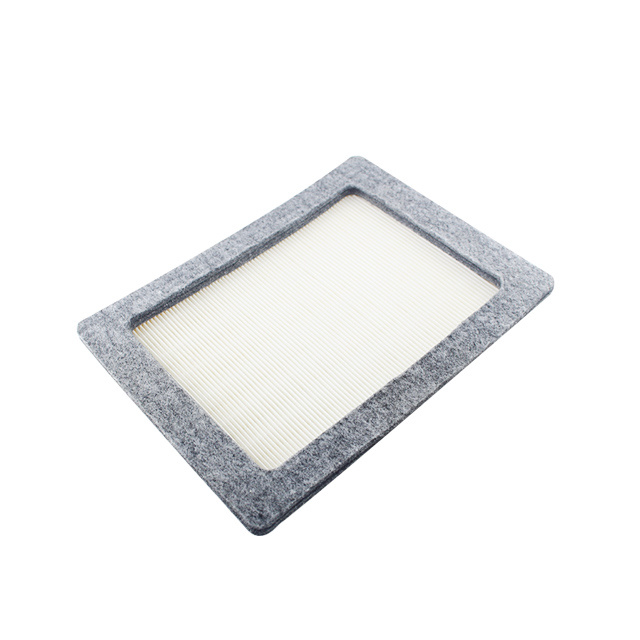
In central air conditioning systems, filters play a critical role in ensuring not just comfort, but also the health of the indoor environment. These filters are designed to capture dust, pollen, pet dander, and other airborne particles, which can significantly affect air quality. Understanding the importance of filters in central air units can help users make informed decisions about maintenance a
The primary function of filters in central air units is to clean the air being circulated throughout the living space. Over time, these filters can become clogged with particles, reducing airflow and forcing the system to work harder. This not only increases energy consumption but can also lead to premature wear on the air conditioning unit itself. Therefore, regular maintenance of filters is essential to ensure that the system operates efficiently.
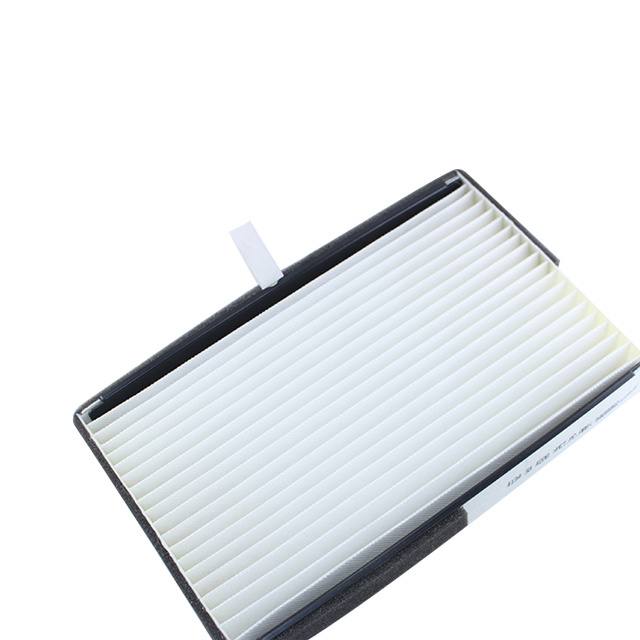
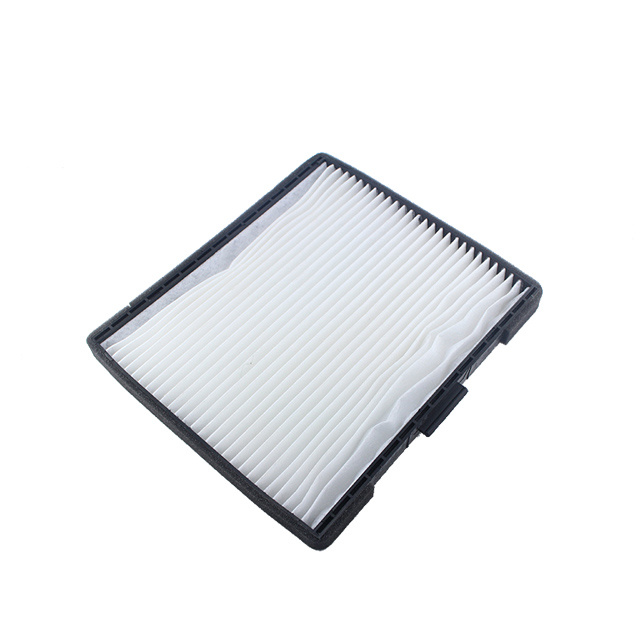
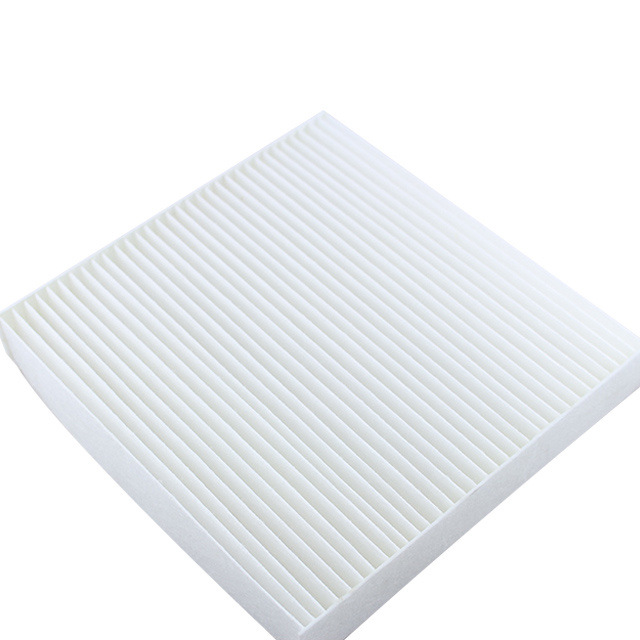
There are various types of filters used in central air units, including disposable fiberglass, pleated filters, and HEPA (High-Efficiency Particulate Air) filters. Disposable fiberglass filters are the most common and are effective for larger particles but may not capture smaller allergens. In contrast, pleated filters have a larger surface area and are more efficient at trapping smaller particles, making them a better choice for households with allergy sufferers or asthma patients. HEPA filters offer the highest level of filtration, capturing up to 99.97% of particles as small as 0.3 microns, making them ideal for maintaining superior indoor air quality.
It is recommended to check and replace the filters in central air units regularly—typically every 1 to 3 months, depending on the type of filter and the usage level of the system. Homeowners should also consider factors such as the presence of pets, smoking, or high levels of dust in their environment, which may necessitate more frequent changes.
In addition to ensuring cleaner air, properly maintained filters contribute to energy efficiency. A clean filter allows for better airflow, which eases the workload on the HVAC system. This not only prolongs the lifespan of the unit but also helps in lowering energy bills. Many modern systems also come with indicators that alert users when it’s time to change the filter, making maintenance easier.
In conclusion, filters in central air units are an integral component for achieving both comfort and health in indoor spaces. Understanding the types of filters available, their functions, and maintenance schedules can empower users to take proactive steps toward improving their indoor air quality. By prioritizing filter maintenance, homeowners can enjoy a cleaner, healthier environment while maximizing the efficiency of their central air systems.
Key words:

* Please Enter Keywords
The company is mainly engaged in the manufacture and sale of auto parts and accessories in the automobile manufacturing industry, the manufacture and sale of automobile rubber products, and the import and export of auto parts.